Here's the pattern I see in my practice
A couple comes in after two years with almost zero physical contact. Not because they're angry. Not because attraction vanished. But because somewhere between work stress, parenting, caregiving for aging parents, or just the grinding weight of staying afloat, touch stopped happening. And once it stops, restarting feels impossibly vulnerable. Like you're asking permission you shouldn't need. Like you're exposing a wound.
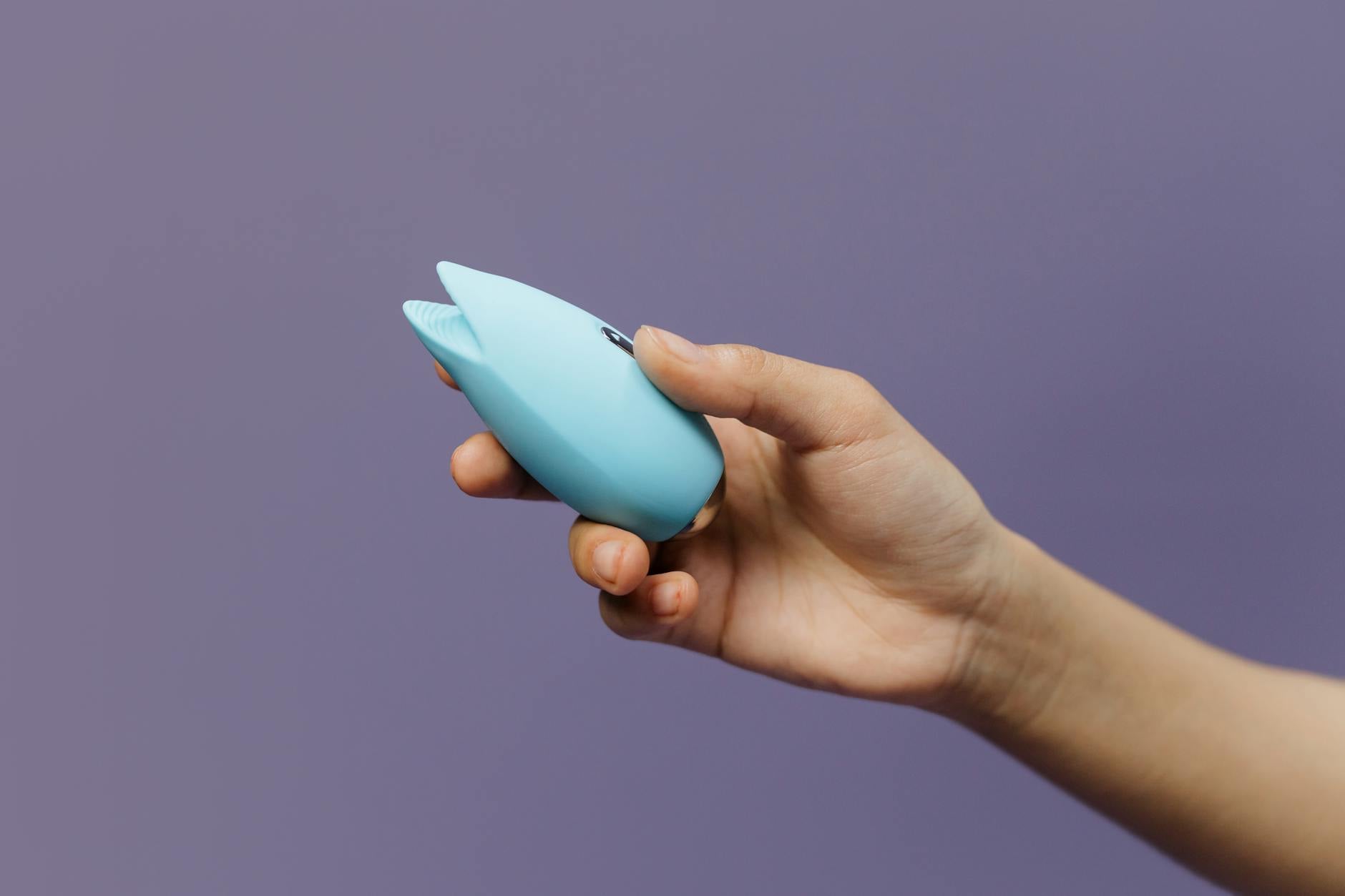
Then something shifts when I suggest a lemon clitoral vibrator.
It's not what they expected. But it works because it bypasses the psychological barrier that makes touch-starved couples freeze.
Why touch disappears (and why it's not what you think)
When couples say they've stopped being physical, the assumption is always low desire or resentment. Sometimes that's true. But in my experience, the real culprit is something quieter: touch has become loaded with expectation and risk.
One partner wants sex. The other doesn't, or isn't sure. A gentle hand on the arm gets read as a bid for more. Affection becomes a negotiation. Both people pull back to avoid the conflict. Months pass. Years pass. And now any touch at all feels like you're starting a conversation you're not sure will end well.
This is called touch avoidance, and it's one of the most common relationship patterns I work with. It's not about desire. It's about safety.
What changes when you introduce a device
A lemon vibrator does something that fingers or a partner's hands cannot do: it removes the relational weight from the equation.
When your partner is touching you directly, your nervous system is reading their arousal, their pressure, their rhythm. You're scanning for signs that they want something from you. Even if they don't, your brain is half-focused on the interaction. That's fair during good times. But when touch has been absent, that monitoring feels exhausting.
A lemon clitoral vibrator changes the frame completely. The device does the stimulation. You're in control of intensity. And if your partner is there, they're witnessing your pleasure without being the source of it. That distinction matters enormously. It says: "I want to share this with you, but I'm not asking you to perform." It says: "I want to be present together."
From a neuroscience angle, here's what happens. When you're being touched directly by a partner during a time of relational tension, your amygdala (threat detection) stays somewhat active. You're partly in pleasure and partly in protection mode. A vibrator allows your amygdala to downregulate more completely because there's no interpersonal demand happening. Your prefrontal cortex can stay online. You're not flooded.
And when one partner experiences genuine pleasure while the other is present and non-demanding, something in the relational system shifts. Vulnerability doesn't feel so risky.
The practical setup that actually works
I recommend couples follow this sequence, not because it's romantic, but because it works neurologically.
Start with solo use, without your partner present. Use a lemon vibrator or another clitoral vibrator for a full week, at least three times. Get genuinely familiar with what feels good. This matters because when touch has been absent, pleasure itself feels unfamiliar. Your body needs to remember what arousal actually feels like in an uncomplicated way.
Once that's established, have your partner in the room. Not touching you. Not necessarily even making eye contact. Just present. Maybe they're reading, maybe they're lying next to you. You're using the lemon vibrator while they're there. No conversation. No expectations. If they want to hold your hand, that's fine. If they want to stay separate, that's fine too.
After a few sessions of that, you can expand. Maybe they apply lubricant. Maybe they kiss you while you're using the device. Maybe they eventually use it on you, letting you control the pressure and pacing.
What you're doing is rebuilding the nervous system's association between presence and safety. You're saying: "My partner can be near my pleasure without needing anything from me." That's a radically different message than the one that's been running.
Why lemon vibrators specifically
Lemon clitoral vibrators work well for reconnecting couples for a few reasons that matter more than you'd think.
First, the sensations. A lemon vibrator uses patterns and rhythms that are gentler on entry, which means less pressure on a system that's already been defending against touch. Many couples who've been disconnected discover that wand vibrators feel too intense or clinical. A lemon clitoral vibrator feels more like exploration and less like an intervention.
Second, the control. The device isn't a mystery. Your partner can see exactly what speed it's on. They're not guessing. They're not performing. They're just observing you choose pleasure. That transparency is more reassuring than you'd expect.
Third, there's something about the novelty that resets the relational pattern. You're not bringing back "sex like we used to have it." You're inventing something new together, which means you're not comparing yourselves to a time when things felt better. You're building something unfamiliar, and that can feel safer.
Managing the emotions that come up
Here's what I need to tell you: reconnecting through a lemon vibrator or other intimate device can surface some serious feelings. Sometimes relief. Sometimes grief for the years of disconnection. Sometimes shame that you needed a device to feel safe with your own partner.
That last one is worth sitting with. You don't need shame about this. You need curiosity. What made touch unsafe? Not in blame terms. But in honest terms. Was it resentment? Mismatched desire? Stress? The answer changes the next conversation you need to have.
Sometimes, reconnecting physically surfaces relational issues that need actual couples work. A lemon vibrator is not a replacement for therapy when trust has been broken. But it can be the entry point to rebuilding touch safely, which then makes therapy conversations less defended.
I often recommend couples who are reconnecting after long periods of touch avoidance explore together. Let your partner choose the pattern. Let them hold it sometimes. Let them see you respond. This isn't about proving anything. It's about rebuilding the nervous system's understanding that togetherness and pleasure can happen at the same time.
When to see a professional
If touch avoidance is paired with active resentment or a betrayal history, a vibrator won't fix that alone. You need a therapist who specializes in couples work and attachment patterns. How Lemon Vibrators Help During Major Life Transitions and Relationship Shifts can help you think through whether this is a normal reconnection moment or something deeper.
If one partner is uninterested in any physical reconnection, that's also a sign that something else is happening. Desire loss, medical issues, or deeper incompatibility. Those conversations need to happen first, before any device gets involved.
But if you're both willing, and you're just stuck on how to restart, a lemon clitoral vibrator can be exactly the thing that makes the first step feel possible instead of terrifying.
FAQ
Should we use the vibrator with a partner the first time?
No. Give yourself at least a few solo sessions first. You need to know what feels good when there's zero relational weight. Once your own pleasure is familiar again, bring your partner in gradually. Start with them just present. Build from there.
What if my partner feels threatened by the vibrator?
That's worth exploring. Sometimes a partner worries that a device means they're not enough. That's a conversation that needs to happen outside the bedroom first. You might say: "This isn't replacing you. It's helping me remember how to feel. I want to experience pleasure with you nearby, not alone." If the threat feeling doesn't shift, that's a sign you both need a therapist.
How do I bring this up without it seeming like I'm asking for more than my partner is willing to give?
Be direct and low-pressure. Try: "I've been thinking about how we've drifted physically, and I miss you. I found something that might make reconnecting feel easier for both of us. Would you be open to trying?" The word "easier" matters. You're not demanding. You're offering a tool that reduces friction.
Can we use a lemon vibrator if we've been through infidelity?
Yes, but only after trust repair has started. Infidelity breaks the nervous system's sense of safety with a partner. A vibrator can eventually be part of rebuilding, but it can't be the first step. Trust-building, honesty, and often therapy need to come first. Then, when you're ready, a device can be part of the reconnection process.
What if we're reconnecting but I still don't feel desire for my partner?
That's information you need to sit with. Sometimes touch avoidance goes so deep that desire doesn't automatically return. Sometimes reconnecting shows you that the relationship itself needs to be renegotiated. Those are separate conversations from "how do I use a vibrator?" A couples therapist can help you understand what's real and what's avoidance.
Is using a lemon vibrator as a couple different from using one alone?
Completely. When you're alone, you're focused on your own sensation and pleasure. When a partner is present, you're also managing presence and vulnerability. Start solo. Move to partner-present slowly. The sensations might feel different, and that's normal. Your nervous system is processing more.
The bridge back
Touch-starved couples aren't broken. They're defended. And defense was probably necessary once. You needed to protect yourself from rejection, expectation, or relational pain. That made sense.
But you're here now asking for a way back. A lemon clitoral vibrator can be that bridge because it removes some of the relational weight that made touch feel risky in the first place. It lets you experience pleasure safely while your partner witnesses it. It's not the whole solution, but it's often the first step that makes the rest of the healing possible.
If you're ready to explore reconnection, start solo. Get curious about what you like. Then, when you're ready, invite your partner in. Let them observe. Let them participate slowly. Let pleasure become something you share again, not something you're negotiating around.
That's where real connection begins.