
When life pivots, pleasure often disappears first
A promotion, a cross-country move, a new diagnosis, a breakup, remarriage, empty nest. These aren't small things. They rewire your nervous system, your schedule, your sense of who you are. And almost always, sexual pleasure gets shelved somewhere between the moving boxes and the overwhelm.
Here's what I see in my practice: couples come to me three, four, sometimes six months into a major life change and say something like "we just don't touch anymore" or "I don't even know what turns me on anymore." It's not that desire died. It's that survival mode ate the bandwidth for pleasure.
Lemon vibrators, and particularly lemon clitoral vibrators like the Lem, become a critical bridge during these moments. Not because they magically fix a stressful situation. But because they create a discrete, manageable window where you can reconnect with your body when everything else is chaotic.
The neuroscience of pleasure during upheaval
When you're in a major life transition, your brain's threat-detection system is running on high. Your vagus nerve is in sympathetic mode (fight or flight). Sexual arousal requires parasympathetic activation (rest and digest). That's not compatible. Your body literally can't relax enough to feel pleasure until it feels safe again.
But here's what's useful: you don't need to wait for your life to stabilize before you rebuild sensation. You can use focused, reliable stimulation to gradually teach your nervous system that safety exists even during uncertainty.
A lemon clitoral vibrator works differently than manual touch during high-stress periods. The vibration pattern is consistent, predictable, and doesn't carry the relational weight of "we should be close right now." It's just sensation. No performance pressure. No need to coordinate with anyone else's rhythm or expectation.
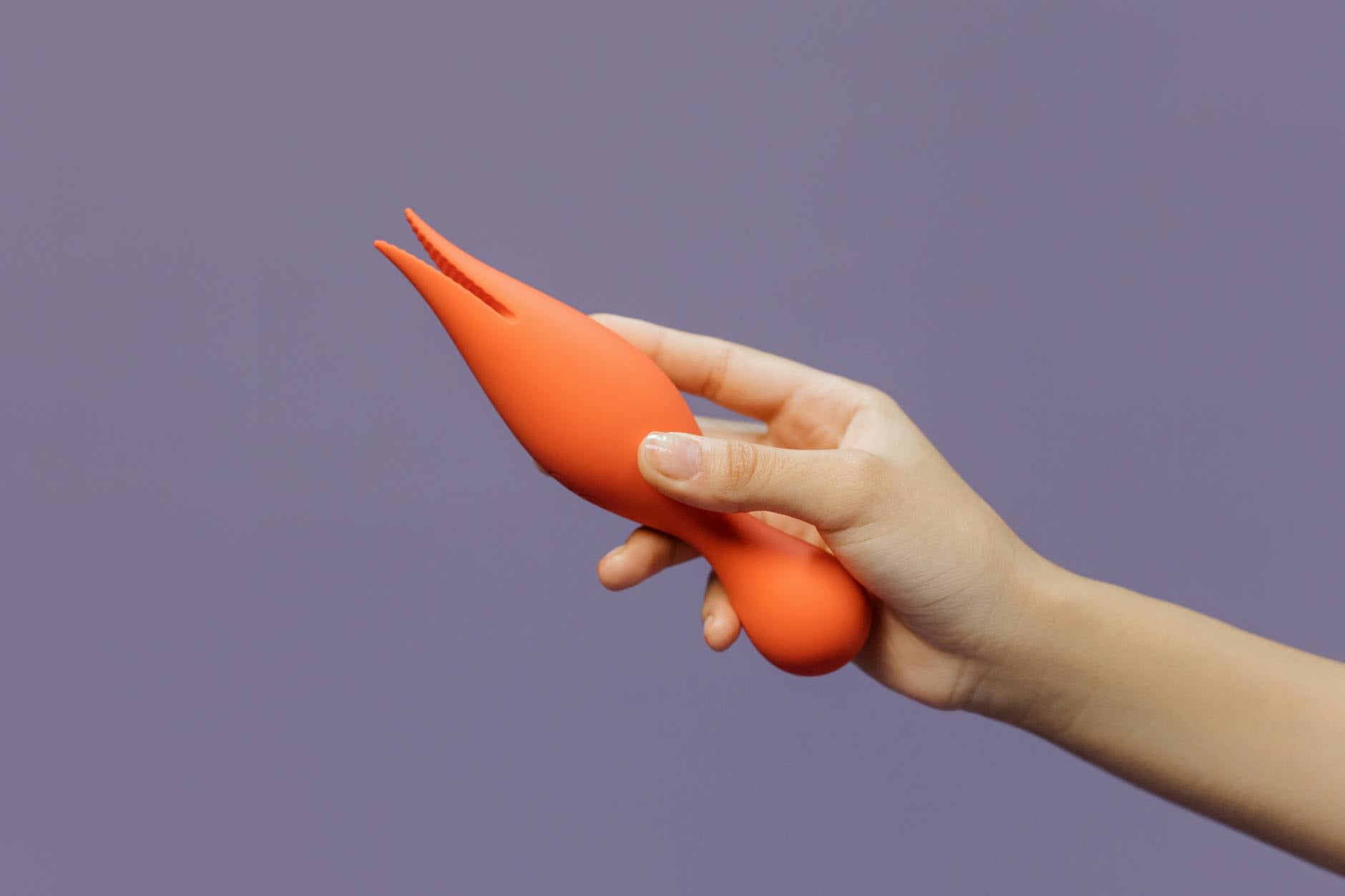
Photo by cottonbro studio on Pexels
Why lemon vibrators specifically help during relationship shifts
If you're navigating a separation, remarriage, or rebuilding trust after infidelity, physical touch from a partner can feel loaded. Even consensual touch. Even wanted touch. The nervous system has learned that touch is connected to uncertainty, and it needs time to unlearn that.
A lemon sexual toy removes that association. It's yours alone. You control the pace, intensity, and duration entirely. For someone whose sense of agency has been shaken by a major relationship shift, this autonomy is grounding.
I also notice that lemon vibrators help clients distinguish between desire and obligation. After a major relationship change, many people say "I don't know if I even want sex anymore." Usually, what's happened is that desire and obligation got tangled. Solo exploration with a lemon clitoral vibrator separates those two things cleanly. You're doing this for you, not for anyone else.
The rhythm of rebuilding
When life is unsettled, I recommend a simple approach. Pick a consistent time, even if it's brief. Three times a week, 10 to 15 minutes. Something regular enough that your nervous system learns "this is a safe, predictable window."
Start with lower settings on your lemon vibrator. You're not chasing orgasm; you're chasing sensation. The goal is to rebuild awareness of your own pleasure signals after months of ignoring them.
As your nervous system settles (and your life does, eventually), you'll notice pleasure deepens naturally. Some clients tell me their orgasms become fuller, more nuanced. Others say they simply feel more anchored in their bodies.
The consistency matters more than the intensity. A lem vibrator on a steady pattern three times weekly rebuilds neural pathways faster than sporadic intense sessions.
When your partner is navigating the transition with you
If you're in a relationship and both of you are stressed by a major life change, how lemon vibrators help when both partners have low desire applies directly. But there's a specific benefit here: solo use with a lemon clitoral vibrator can actually make partnered sex easier later.
Why? Because you've already unpacked what your body needs. You know which patterns work. You've reestablished the neural pathways for pleasure. When you and your partner eventually want to reconnect sexually, you're not starting from zero; you're starting from a place of knowledge.
Many couples find that one partner's solo exploration with a lemon vibrator gives permission for the other partner to also explore, or to simply stop performing for a while. It takes the pressure off both people.
The grief component nobody talks about
Sometimes major life transitions involve loss, even when they're ultimately positive changes. Empty nest, retirement, a successful but demanding career move. Pleasure can feel disloyal when you're grieving, or frivolous when the stakes feel high.
If that's you: pleasure isn't a betrayal of your grief. It's actually part of moving through grief. Your body's capacity to feel good doesn't erase what you've lost. It just means you're still alive and still capable of joy alongside the sadness.
A lemon vibrator can be part of that process. Some clients tell me solo pleasure during grief feels like an act of self-respect, a way of saying "I'm still here, I still matter."
Physical changes that come with life transitions
Big life changes often bring physical stress: sleep disruption, hormonal shifts, tension, medication changes. All of these can dull sensation. How lemon vibrators improve pleasure when you're adjusting to a new medication covers medication specifically, but the principle is broader.
A reliable lemon sexual toy helps you notice these changes without judgment. If sensation feels muted, that's useful information. It might tell you that your nervous system needs more recovery time, or that a medication shift is affecting you, or simply that you need more foreplay and lubrication than usual.
Lemon clitoral vibrators give you consistent stimulus against which to measure those changes. That self-knowledge is valuable both for your own pleasure and for conversations with partners or doctors.
A practical framework for starting
If you're in the middle of upheaval and considering a lemon vibrator for the first time:
Week 1-2: Exploration. No goal other than noticing sensations. Try different patterns on lower settings. Spend 10 minutes. No orgasm required.
Week 3-4: Consistency. Same time of day if possible. Let your nervous system anticipate the window. Gradually find the patterns that feel best.
Week 5+: Deepening. Once you know what works, you can play with intensity, duration, or combinations with lubrication or partnered touch if desired.
Your timeline might be different depending on how recent the transition is. Fresh grief, recent loss, new relationship turbulence: all of these justify moving slowly. There's no race.
When to bring a partner into the conversation
If you're partnered, solo use with a lemon vibrator doesn't have to be secret. In fact, honesty about "I'm rebuilding my sense of pleasure right now" often deepens intimacy more than isolated solo sessions.
You might say: "I'm using this time to reconnect with what feels good in my body while everything else is shifting. This helps me be more present with you later." Most secure partners hear that as "you matter to me, I'm taking care of myself so I can show up better."
If your partner feels threatened by solo vibrator use, that's worth exploring separately. How to use lemon vibrators when you and your partner both struggle with touch offers language and framework for those conversations.
The long view
Major life transitions don't last forever. The stress settles, the new normal becomes normal, and pleasure naturally becomes available again. But the habits you build during the difficult middle matter.
Clients who used lemon clitoral vibrators during upheaval tell me they're more attuned to their bodies afterward. They know their own pleasure better. They communicate about sex more clearly. And they're less likely to let stress completely shut down intimacy in the future.
A lemon vibrator isn't a therapy substitute. If your relationship needs repair or your stress is clinical depression, those require professional support. But as part of a holistic approach to self-care during major life changes, lemon sexual toys offer something tangible: a safe, predictable, solo path back to your own body when everything else is uncertain.
Frequently asked questions
How long does it take to feel pleasure again after a major life change?
It depends on the nature of the change and your nervous system's baseline. Some people notice increased sensation within two to three weeks of consistent exploration. Others take two to three months. The key variable isn't time; it's consistency. Three times weekly for ten weeks will reset your pleasure pathways more reliably than sporadic intense sessions.
Can I use a lemon vibrator if I'm in a new relationship after a major life change?
Absolutely. In fact, solo exploration can help. You're learning your own body independent of someone else's touch, which means you show up to partnered sex with more knowledge and confidence. Many people find that solo vibrator use actually improves their ability to communicate what they want to a new partner.
What if my partner resents my use of a lemon vibrator?
That's a relationship question, not a vibrator question. It's worth asking directly: "What specifically worries you?" Is it about infidelity? About feeling inadequate? About loss of control? Those are different conversations with different solutions. The vibrator itself is neutral; the meaning you both attach to it matters. Consider working with a couples therapist if this becomes a point of conflict.
Does using a lemon clitoral vibrator during stress mean something is wrong with me?
Not even slightly. Your nervous system is doing exactly what it's supposed to do during upheaval: prioritizing survival over pleasure. Using a lemon vibrator is actually a sign of good self-awareness. You're noticing that pleasure matters, and you're taking steps to rebuild it. That's healthy.
Can lemon vibrators help if my life change involved trauma or loss?
They can, but gradually and with professional support. If the life change involved betrayal, violence, or major grief, rebuilding sensation works best alongside therapy. A lemon vibrator gives you a tool to reconnect with your body safely, but a trauma-informed therapist helps you process the nervous system dysregulation that comes with the loss itself.
Should I tell my new partner about my lemon vibrator use?
That's your choice. Some people prefer privacy for solo sexuality; others want transparency. What matters is that you're not using it to avoid connection with a partner, and that you're honest if directly asked. Most secure partners respond better to "I'm using this to rebuild my own pleasure" than to discovering secret use.
You're not starting over, you're starting again differently
Major life transitions feel like erasure, but they're not. You're not becoming a new person who doesn't know pleasure. You're a person navigating uncertainty who temporarily lost access to sensation. A lemon vibrator, used consistently and self-compassionately, helps you rebuild that access on your own timeline.
Your body remembers. Your pleasure is still in there. Sometimes it just needs a reliable tool and a patient approach to find its way back.
If you're navigating a major transition and want to talk through how to rebuild intimacy, we're here. Reach out at /contact.