When both partners lose the spark
Let's be real: the conversation about low desire usually centers on one person wanting sex and the other not interested. But what happens when both of you have checked out? That's the scenario nobody talks about, and it's surprisingly common. You're not fighting about sex. You're not even thinking about it. The bedroom just got quiet.
Here's what I see in my practice. Couples drift into a pattern where neither partner initiates, both feel guilty, and the whole thing becomes this unspoken tension that lives in the background of everything else. The relief of not having to "perform" gets tangled up with worry that the connection is gone. It is gone. Just temporarily. And that's fixable.
Why both partners losing desire looks different
When one person has low desire and the other is frustrated, the frustrated partner can sometimes carry the momentum. They initiate, suggest solutions, push gently forward. When both partners are low, there's no momentum at all. The system has stalled.
The causes vary wildly. Life stress. Kids. Work that drains everything. Resentment that hasn't been addressed. Medication. Menopause or andropause shifts. Depression that sits under the surface. Boredom that neither of you wants to admit. Often it's a mix.
But here's what matters clinically: low desire in both partners usually isn't about attraction dying. It's about safety. When desire goes cold in both directions, it often signals that something in the relationship itself needs tending. Trust, emotional connection, feeling heard, feeling valued. Those are the real issues.
The shame spiral and why it keeps you stuck
One of the cruelest parts of mutual low desire is the shame. You feel guilty for not wanting your partner. Your partner feels guilty for not wanting you. So nobody says anything. Months pass. The guilt metastasizes into avoidance. Avoidance becomes resentment. And now you're dealing with a bigger problem than low desire.
Many couples in this position think they need a therapist, and sometimes they do. But the first step is often simpler: permission to just start touching again without the weight of performance or expectation.
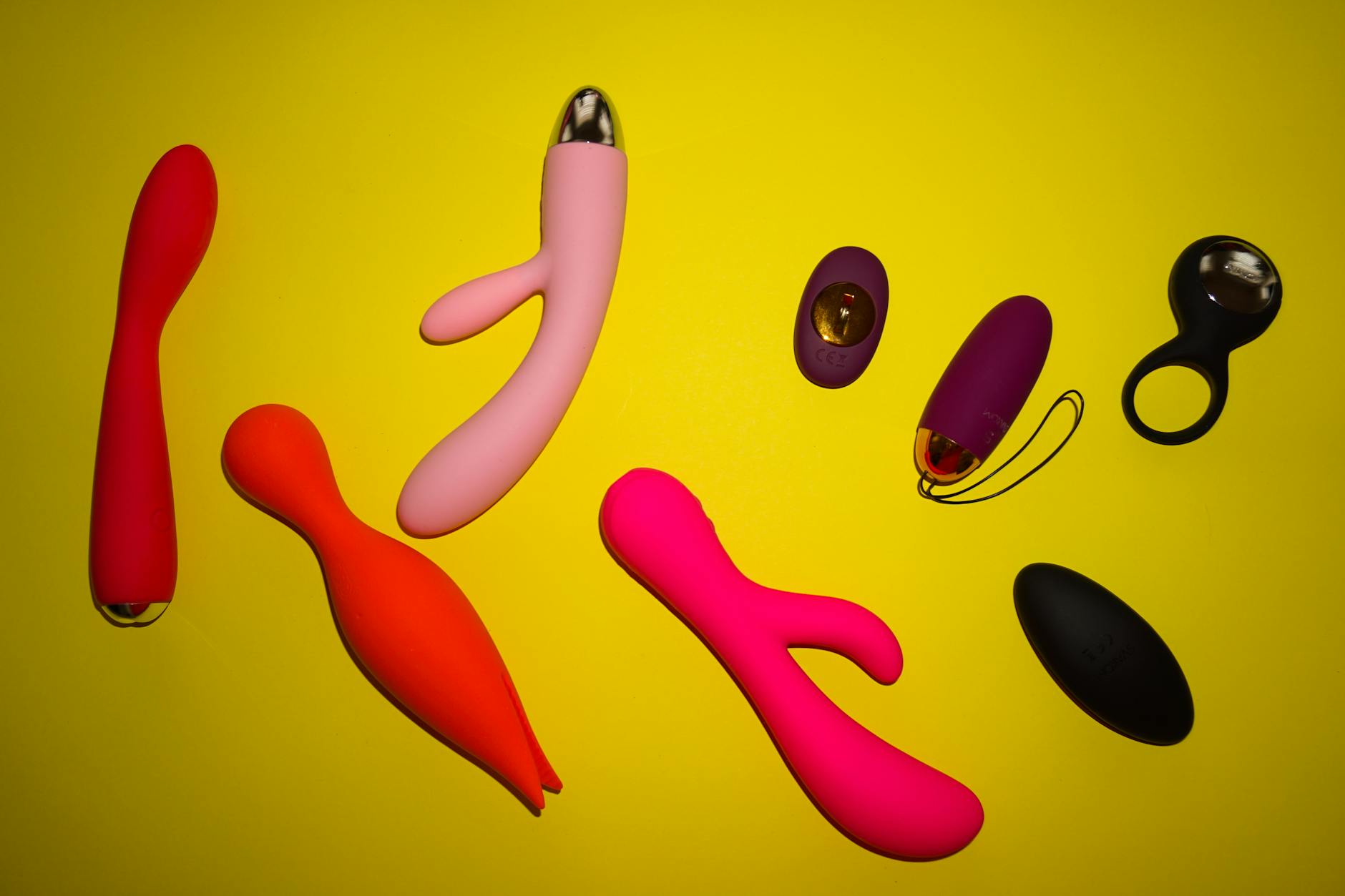
This is where tools like lemon vibrators come in. They're not a fix for the relationship. But they can be a bridge back to physical connection that feels safe, low-pressure, and genuinely pleasurable for both of you.
Why external stimulation changes the dynamic
When desire is low, the brain isn't primed for arousal. You're not thinking about sex. Your body isn't responding the way it once did. So when partners try to initiate sex the traditional way, it feels like friction. Like duty. Like failing at something you're already anxious about.
A clitoral vibrator like the Lem shifts this equation. The stimulation is direct and efficient. It doesn't require the mental loading that traditional sex does. You don't have to build arousal gradually through touching and conversation. The body can respond to direct input without the brain having to do all the work first.
For both partners with low desire, this matters enormously. One person can use the vibrator while the other is present, watching, touching, connecting. Or you can explore it solo first, rebuild the neural pathway to pleasure, and then bring your partner into that experience. There's no "right" way. The point is removing the performance pressure that keeps low-desire couples stuck.
Starting the conversation without shame
Here's the thing that stops most couples: they can't talk about it. The conversation feels vulnerable in a way that regular intimacy talk doesn't.
Try this opening instead of asking outright: "I miss feeling close to you. I'm wondering if we could try something together that feels less pressure-y. What do you think?" That's not a sex talk. That's a connection talk. It reframes the whole thing as something you're doing together, not something you're failing at separately.
If your partner resists, resist the urge to sell them on it. Just say, "Okay. But I'd like to figure something out together." Then actually figure something out. Sometimes that means talking to a couples counselor. Sometimes it means a conversation with your doctor about what's changed medically. Sometimes it means admitting that resentment is in the room and dealing with that first.
But if there's openness, even a little, trying a lemon clitoral vibrator together can feel like an adventure instead of another thing you're both failing at.
How to use a vibrator when you're rebuilding desire as a couple
First, don't jump straight to penetration or traditional sex. Start with what feels good in isolation.
One partner explores the vibrator alone first, without any pressure to perform or produce a certain outcome. The Lem's suction-based stimulation often feels less intimidating to people with low desire because there's no friction pressure or requirement to "do" anything. You just receive.
Once one person has reconnected with their own pleasure, bring your partner in. This could look like using the vibrator together while you're close, or having your partner hold the vibrator while you focus on what feels good. The physical proximity matters. You're not having sex yet. You're rebuilding the habit of being close while something pleasurable is happening.
Second, drop the goal-orientation. You're not trying to reach orgasm. You're not trying to prove you still want each other. You're just trying to remember that pleasure exists and that it can feel good to share it.
Third, talk about what you notice. "That feels amazing." "I like watching you enjoy this." "This reminds me why I wanted you in the first place." The verbal piece builds the emotional safety that allows desire to return.
When medical factors are the real culprit
Sometimes low desire in both partners has a medical root. Antidepressants, thyroid medication, hormone shifts. Fatigue from an untreated sleep issue or unmanaged diabetes. Chronic pain that makes touch feel threatening instead of pleasurable.
If both of you have experienced a recent shift in desire, it's worth checking in with a doctor. Not because something is "wrong" with you, but because some of these issues are incredibly treatable. Medication adjustments. Hormone testing. Sleep studies. They can all make a difference.
That said, even while you're sorting out the medical side, a vibrator can help rebuild the physical habit of pleasure. It's not an alternative to medical care. It's something you can do in parallel.
The emotional reset that actually sticks
I've worked with couples who rebuilt desire by starting exactly this way. They weren't trying to have amazing sex. They were trying to remember what it felt like to touch each other without guilt.
Using a lemon vibrator together gave them permission to focus on sensation instead of performance. It reframed intimacy as something collaborative, not something one person was failing at. And it gave them a concrete bridge back to the physical part of their relationship while they worked on the emotional part.
Some couples eventually move away from toys. Some keep them as part of their regular routine. That's not the point. The point is that you stopped feeling distant. You started remembering why you liked each other. And your body started remembering what pleasure feels like.
That reset usually ripples into the rest of the relationship. Resentment softens. You're closer in conversation. You want to spend time together. And yes, often desire returns.
FAQ: Low Desire, Both Partners
Q: Does using a vibrator mean the attraction is really gone?
A: Not even slightly. Using a tool to help you reconnect physically is the opposite of giving up. It's saying, "I want to rebuild this with you." Attraction exists on a spectrum. Life events, stress, and connection issues can temporarily flatten it. A vibrator helps you rebuild the physical habit while you work on the emotional side.
Q: What if my partner thinks a vibrator means I'm not attracted to them?
A: This is the conversation that comes up. Reframe it in couples language: "This isn't about you not being enough. This is about both of us reconnecting with pleasure together." If your partner still resists, that might signal something bigger about trust or emotional safety that needs attention before you move to sexual tools.
Q: How long until desire comes back?
A: There's no timeline. Some couples feel a shift in a few weeks. Others take months. The important thing is consistency and removing shame. Even if you're using a vibrator once every other week, you're rebuilding the neural pathway that says "touch feels good" and "we are close." That compounds over time.
Q: Can we use a vibrator instead of fixing the relationship?
A: No. If there's infidelity, abuse, contempt, or deep resentment, a vibrator is a band-aid. You need couples therapy or a serious conversation about whether the relationship is worth saving. But if the issue is "we drifted," a vibrator can be part of what brings you back together while you rebuild emotional connection.
Q: What if only one partner wants to try this?
A: That's a different problem. It suggests one partner has disengaged entirely. That's worth exploring with a therapist, because it usually points to something beyond low desire. Resentment. Checked-out attachment. Loss of hope. Those require conversation and possibly professional support, not a vibrator.
Q: Is it weird to use a lemon vibrator as a couple if neither of us has tried toys before?
A: Weirdness is just novelty. The first time anything new happens, there's a moment of "huh, this is different." That passes in about 30 seconds. What matters is that you're doing something together that breaks the pattern you've been stuck in. That's the opposite of weird. That's brave.
Rebuilding together
Low desire in both partners often feels like the end of the story. It doesn't feel like the middle chapter where you get to rewrite things. But couples reconnect all the time, even after months or years of physical distance. It usually starts small. It usually starts with permission to try something new without pressure. And it usually works because you're both choosing to show up.
You don't need to have your spark back to start rebuilding. You just need to be willing to touch each other again. A vibrator can make that easier. The rest follows naturally.