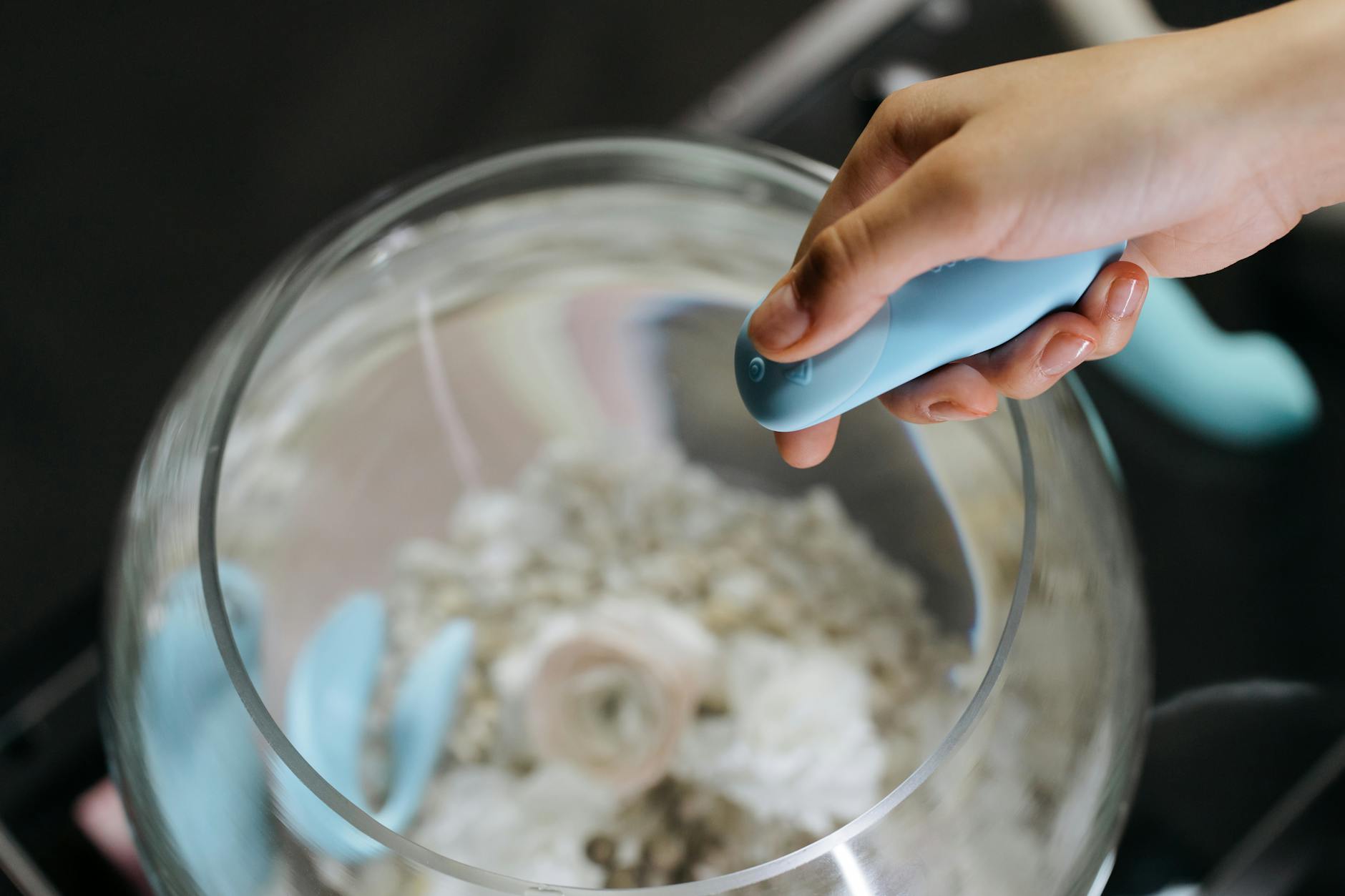
Here's the thing most couples never say out loud
Orgasm timing mismatch is one of the most common sexual frustrations in long-term relationships, and almost nobody talks about it. One partner finishes in five minutes. The other needs twenty. Someone's always either waiting around feeling self-conscious or rushing through what should feel good. It's awkward, it kills the mood, and over time it erodes the whole experience.
But here's what I've seen work: it's not a communication problem that needs fixing. It's a logistics problem that needs a tool.
Why the timing gap exists (and why it's not about attraction)
Orgasm speed is determined by neurology, not desire. Some people have faster-firing nerve pathways. Others need more sustained stimulation to reach threshold. Hormones play a role. So does baseline sensitivity, pelvic floor tension, medication, stress levels, and whether someone's been focusing on pleasure or performing for a partner for the last ten years.
The problem arises because penetrative sex has a built-in pacing. One partner's rhythm sets the tempo for both. If one person needs gentler, longer stimulation on the clitoris and the other person is ready to be inside, you hit a fork in the road. Either you compromise (which usually means nobody gets what they need), or one of you white-knuckles through waiting.
Lemon clitoral vibrators, particularly air-suction designs, change this entirely. They allow simultaneous but independent stimulation. Your partner is doing their thing. You're getting exactly what your body needs on your timeline.
How lemon vibrators solve the speed mismatch
There are three mechanics that make lemon vibrators different from traditional vibrators for couples sex.
First: they don't numb you out. Traditional vibrators use ramp-up frequencies that can desensitize the clitoris if you need sustained stimulation. Lemon vibrators use suction and pulsing patterns that feel fresh and responsive, even after five, ten, or twenty minutes. Your nerve endings stay engaged instead of gradually tuning out the sensation.
Second: they integrate into partnered sex without disrupting rhythm. Because a lemon vibrator is compact and external-only, your partner can be inside you, you can be receiving stimulation exactly where and how you need it, and neither of you has to adjust position or timing. There's no awkward repositioning between "now I need this part touched" and "okay now resume."
Third: they give you control. A lemon vibrator puts your orgasm timeline in your hands, literally. You're not dependent on your partner's pace or stamina. You're not waiting. You're not rushing. You reach climax when your body gets there, and your partner is free to focus on their own pleasure.
The psychological shift this creates
Here's what I notice with couples who integrate lemon clitoral vibrators into partnered sex: the entire dynamic softens. Suddenly there's no performance pressure. No one's clock-watching. No one's anxious about finishing "too fast" or "taking too long." The pleasure becomes genuinely mutual instead of a balancing act.
One partner once told me, "The first time we tried it, I realized I'd been holding my breath for like three years." That's how tight the anxiety gets around orgasm timing. It's not just about the orgasm. It's about feeling like your body is inconvenient.
When you use a lemon vibrator, your partner gets to experience you actually relaxing into pleasure. That's a completely different intimacy than any compromise could give you.
Positioning and practical setup
Let's talk logistics because knowing how it works matters.
If you're using a lemon vibrator during penetrative sex, the positioning depends on your anatomy and what position you're already in. Missionary, spooning, and woman-on-top all work. Some positions make it easier for you to hold the vibrator yourself. Others work better if your partner holds it while you're focused on other sensations.
Start with communication. Tell your partner exactly where you want the vibration, what speed works, and whether you want them holding it or you do. There's no "right way." Some couples find that having the receiving partner handle the vibrator gives them more control. Others prefer their partner doing it because it feels more connected.
Battery life matters. Most lemon vibrators last 45 minutes to an hour on a full charge. If you're planning a longer session, charge beforehand. Waterproof designs make cleanup easier and are generally safer if there's any potential for fluids.
Lubricant compatibility is essential. Water-based lubricant works with all lemon vibrators and silicone toys. Silicone lubricant can degrade silicone toys, so stick with water-based if your toy is silicone.
When it shifts the entire relationship dynamic
In my practice, I've noticed something interesting: couples who introduce lemon vibrators into their sex life often report improvements in non-sexual intimacy too. Not because the vibrator is magic, but because it removes a source of quiet resentment.
When both partners' pleasure needs are being met without negotiation or compromise, something shifts. You stop keeping score. You stop feeling like your body is inconvenient. Sex becomes something you both want to do, not something you're managing to preserve the relationship.
That's worth paying attention to. A tool that solves an orgasm timing problem is fixing something bigger: it's giving you both permission to have different bodies and different needs in the same intimate moment.
How to introduce it without making it weird
If your partner has never talked about using a vibrator during sex, you might be nervous about bringing it up. Here's the frame that usually works.
Not: "I'm not coming fast enough." That reads as broken.
Instead: "I love how this feels, and I'd feel even closer to you if I wasn't stressed about my timing. I'm curious about trying this together."
That's collaborative. It reframes the vibrator from a "fix for a problem" to a "way we both get more pleasure." And it's true. The best use of a lemon clitoral vibrator in a couple isn't solving a mismatch. It's removing the distraction so both of you can focus on connection.
The first time: what to expect
Don't expect fireworks. The first time you use a lemon vibrator with a partner, it might feel awkward or uncertain. You're coordinating a new sensation with all the other sensations happening. Give it three tries before you decide if it's working.
Most couples report that by the second or third time, it feels natural. The vibrator becomes just another part of what you're doing together, not a separate event.
One more thing: if one partner has significantly lower desire or interest in sex, a lemon vibrator won't fix that. That's a different conversation that might need professional support. But if both of you want sex and your main friction point is timing, this changes the game.
FAQ
Is using a vibrator during partnered sex normal?
Absolutely. About 40% of couples currently use vibrators or similar devices during sex together. It's mainstream enough that you don't need to feel experimental or weird about it. Many partners find that adding a vibrator actually increases intimacy and communication because you have to talk about what works. If you're curious, that curiosity is enough reason to try.
Will my partner feel inadequate if I use a vibrator?
Some partners initially feel that way, which is why framing matters. If you position it as "this helps me feel closer to you," most partners understand. The vibrator isn't replacing them. It's removing a distraction so you can actually be present with them. That said, have that conversation directly. Don't just surprise your partner with it during sex.
Should I use a lemon vibrator or a traditional vibrator for couples sex?
Lemon vibrators are better for couples because they don't require repositioning. You can use them during penetration without stopping. They also tend not to numb the clitoris over time, which matters if your session is longer than usual. If you're just exploring, either works. But for regular couples use, lemon clitoral vibrators are designed for this specifically. How Lemon Vibrators Compare to Traditional Vibrators for Clitoral Stimulation covers the differences in detail.
What if my partner is resistant to the idea?
Resistance often comes from insecurity or misunderstanding, not actual objection. Ask why. Is it because they think they're not enough? Is it a religious thing? Is it about how they were raised? Most resistances have a conversation underneath them. Start there instead of pushing the vibrator. That said, if you've had the conversation and they're still resistant, that's a sign you might benefit from talking to a couples therapist. Sexual mismatches are fixable, but they usually need more than a tool.
Can I use a lemon vibrator if I take hormonal birth control?
Yes. Hormonal birth control and vibrators are completely compatible. There's no physiological interaction. If anything, some hormonal birth controls change sensation or increase sensitivity, which you might notice when using a lemon vibrator. That's normal and usually adjusts after a few months on the medication.
How do I know if my partner is actually enjoying this or just going along with it?
Ask. Check in during and after. Real pleasure shows up as relaxation, eye contact, and wanting to do it again. If your partner seems tense or distant, pause and ask what's happening. Sometimes it takes a few tries for someone to get comfortable with something new. Sometimes it's not for them. Both are fine. What matters is that you know which one it is.
The real benefit
Lemon clitoral vibrators aren't a band-aid for a broken sex life. They're a tool for couples who want good sex and keep hitting the same timing snag. If that's you, trying one removes a distraction that's probably been quietly driving you both a little crazy.
Your pleasure doesn't have to match your partner's timeline. Both of your bodies can get what they need in the same moment. That's not a compromise. That's actually what good couples sex looks like.
Ready to explore options? Check out How to Choose Lemon Vibrators Based on Your Sensitivity Level to find what actually works for your body, not just what's popular.