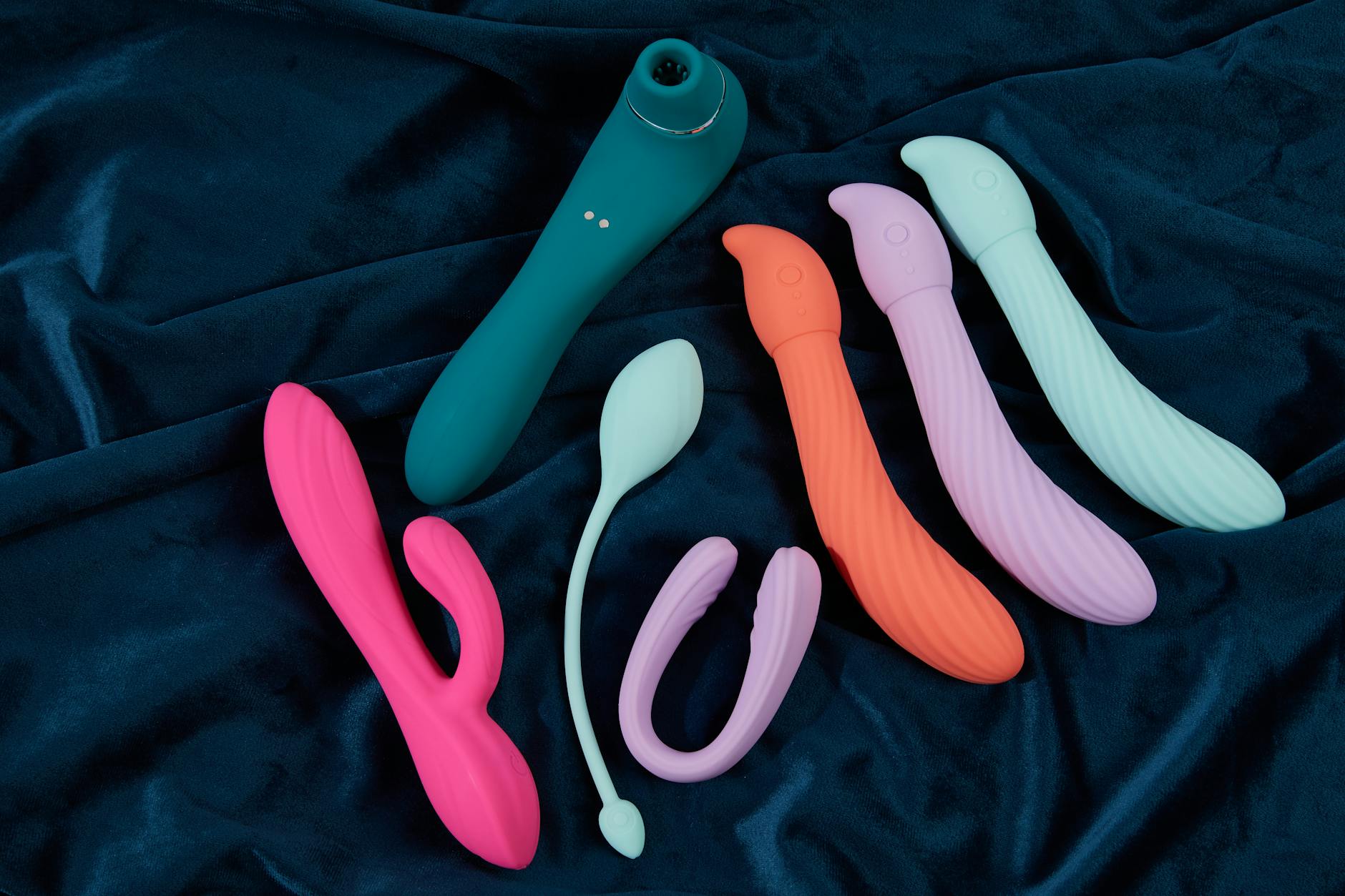
How to Use a Lemon Vibrator After Pregnancy for Safe Pelvic Floor Recovery
Let's be real: six weeks postpartum, your doctor clears you for sex, and the last thing your brain wants is activity. Your pelvic floor is reorganizing itself. Your hormones are in freefall. The idea of penetration, let alone pleasure, feels laughably distant.
But pleasure doesn't have to mean what it used to. And the pelvic floor doesn't have to stay closed off while it heals. This is where a lemon clitoral vibrator changes the conversation.
The actual postpartum timeline (not the doctor's version)
Your GP will tell you six weeks, and medically they're not wrong. But here's what six weeks actually means: you're cleared for penetration if you want it. You're not, however, magically healed.
The pelvic floor after vaginal birth is like a stretched muscle that's been torn and stitched. It needs time to regain nerve sensitivity, blood flow, and strength. Cesarean births skip the tearing, but the abdominal fascia above the pelvic floor still needs to knit back together. Both journeys take a minimum of three months for real functional recovery. Six months is more realistic for getting your actual strength back.
This is important because it changes everything about how you approach pleasure. Full intercourse at week six might be technically cleared. It might also interrupt your actual healing and make you resentful or sore.
Lemon vibrators, specifically, sidestep a lot of that friction.
Why lemon vibrators are different for postpartum bodies
Clitoral vibrators work by stimulating the external nerve endings without requiring the pelvic floor to do much. Air-suction toys like the Hello Nancy Lemon are even gentler because they don't rely on direct pressure or friction. They create rhythmic suction waves that wake up sensation without demanding anything from tissues that are still reorganizing.
Here's the mechanical part: during postpartum healing, your pelvic floor is both tight and weak. Sounds contradictory, but it's not. Trauma creates tension. Weakness means the muscles don't release fully. A lemon clitoral vibrator bypasses the need for the pelvic floor to relax on its own. You get stimulation and pleasure without the secondary healing crisis of forced relaxation.
Second, air-suction toys create consistent stimulation without the micro-repetitions that can irritate sensitive tissue. A traditional vibrator fires thousands of micro-vibrations per minute. Your postpartum vulva is more sensitive. Suction is smoother, easier to sustain, and gives you better control of intensity.
The timeline: when to actually start
Week one through four: No toys. Your body is bleeding. Your stitches (if present) are still fragile. This is about rest and actually not poking anything.
Week four through eight: Solo touch only, if anything. No penetration, no toys. Your stitches are dissolved, but your pelvic floor is still locked up with swelling and healing tension. You can start noticing if touch feels good, but that's it. This is the moment to start pelvic floor breathing exercises if a physical therapist recommends them. Honestly, most people don't get PT unless there's a specific problem, which is worth changing.
Week eight through twelve: Now a lemon clitoral vibrator can enter the picture. By this point, external swelling has mostly resolved. Your stitches are healed. You can know, at least in theory, whether external stimulation feels good or painful. If it feels good, a lemon vibrator on low suction on pattern 1 becomes a reasonable option.
Week twelve onward: You can experiment with what feels right. Some people return to partnered penetration. Some people take longer. A lemon vibrator works alongside whatever your body is ready for.
The key is: this isn't about your doctor's clearance. It's about what your specific tissue and nervous system need.
How to actually use one (mechanics and real expectations)
First: lube, always. Postpartum bodies, especially if you're breastfeeding, have less estrogen circulating. That affects tissue thickness and lubrication. Water-based lube isn't optional. It's foundational.
Second: start at the lowest suction setting. I cannot overstate this. If your lemon vibrator has five settings, begin at one. Your external tissue is more sensitive than it was pre-pregnancy. You will be surprised at how little stimulation creates sensation. Let your body tell you when to increase.
Third: short sessions. Ten minutes, not thirty. Your nervous system is still running on less sleep, more cortisol, and oxytocin that's partly going to your baby. Pleasure takes time to build in this state. Pressure doesn't help. A quick, gentle session is better than forcing an extended experience.
Fourth: know the difference between discomfort and pain. Some pressure, some unfamiliar sensation as your nerves re-map, is normal. Sharp pain, burning, or feelings that make you flinch are messages to stop.
The emotional piece (because it's bigger than the physical)
Postpartum intimacy isn't just about whether your pelvic floor works. It's about whether you want it to, and whether you have the emotional bandwidth for pleasure when your brain is partly hijacked by another human.
Many people I work with feel guilty for not wanting sex six weeks postpartum. Some feel guilty for wanting it. Both are normal. What matters is that you're not operating from shame or obligation.
Using a lemon clitoral vibrator solo, on your own timeline, with zero pressure to perform or progress, is actually one of the easiest ways to reconnect with pleasure without the relational complexity. You get to find out what your postpartum body likes. You get to do it alone. You get to stop whenever.
If you're partnered and your partner is frustrated about the timeline, that's a different conversation than your pelvic floor. Those conversations matter, and they're not solved by toys.
When to pause and seek help
If any of these happen, check in with a pelvic floor physical therapist:
Pain during or after using a lemon vibrator. Persistent heaviness or pressure in the pelvic region. Inability to relax the pelvic floor even when trying. Urinary or bowel symptoms that are new or worsening. These aren't failures. They're information that your healing has a specific wrinkle.
Pelvic floor PT is genuinely valuable postpartum, even if you don't have pain. A good PT helps you distinguish between tightness and weakness, and teaches you how to actually relax your pelvic floor, not just squeeze it.
The bigger picture
Postpartum recovery isn't linear. Some days you'll feel ready for pleasure. Some weeks you won't. A lemon clitoral vibrator gives you a tool that's gentle enough to fit into gentle days, and flexible enough to step back from on harder ones.
The goal isn't to get back to pre-pregnancy sex. It's to build a postpartum intimacy that works for your actual life. For many people, that includes solo pleasure with a lemon clitoral vibrator before it includes partnered sex. There's no timeline for that. There's only what feels right, when it feels right.
Your body just did something extraordinary. The least it deserves is pleasure that doesn't rush.
Frequently Asked Questions
Can I use a lemon vibrator while breastfeeding?
Yes. Breastfeeding doesn't make your pelvic floor more fragile. It does lower your estrogen, which can mean less natural lubrication. Use lube. Start low on intensity. Otherwise, breastfeeding and a lemon clitoral vibrator are compatible.
What if I had a Cesarean? Is recovery different?
Cesarean births spare you pelvic floor trauma from tearing, but your pelvic floor still needs time to regain stability and sensation. You're also healing an abdominal surgical site. Wait the full eight weeks before introducing any toy. From week eight onward, the external approach with a lemon vibrator is actually a smart choice because it avoids any pressure on your healing scar tissue internally.
Is it normal for pleasure to feel completely different after pregnancy?
Completely normal. Your nervous system just rewired. Your hormones are different. Your pelvic floor is reorganizing. And mentally, you might feel differently about your body. Pleasure might take longer to arrive, or feel different in quality. That changes over months, not weeks. Give yourself that time.
Should I tell my partner I'm using a lemon vibrator postpartum?
That depends on your relationship and what you want from the conversation. If you're keeping it private as a way to heal alone, that's fine. If you're keeping it secret because you think your partner will be upset, that's a sign the two of you need a conversation about expectations. Postpartum intimacy works better when both people are on the same page about what's actually happening.
How long until I can use a lemon vibrator alongside partnered sex?
There's no fixed timeline. Some people feel ready at three months. Some at six. Some not until a year postpartum. You'll know when penetration doesn't hurt and when you actually want to explore it. Using a lemon clitoral vibrator during partnered sex is a great way to build pleasure without demanding that your pelvic floor do the heavy lifting. That can happen whenever it feels right.
What if using any toy still feels painful at three months postpartum?
That's the moment to see a pelvic floor specialist. Pain at three months isn't normal healing. It might be scar tissue, nerve irritation, or just tension your body is holding. A good PT can identify what's happening and address it. Don't wait and hope it resolves on its own.
The reality
Postpartum recovery is long and nonlinear. Your pelvic floor, your hormones, your nervous system, and your emotional bandwidth are all reorganizing. A lemon clitoral vibrator isn't a magic fix. It's a tool that works because it gives you pleasure on your terms, without rushing your body through stages it's not ready for.
Start small. Use lube. Listen to what feels right. And give yourself permission to move slowly. Your body just did something incredible. The least you can do is be patient with it.
If you have questions about your specific recovery or need guidance tailored to your situation, reach out to Hello Nancy. We're here to help.