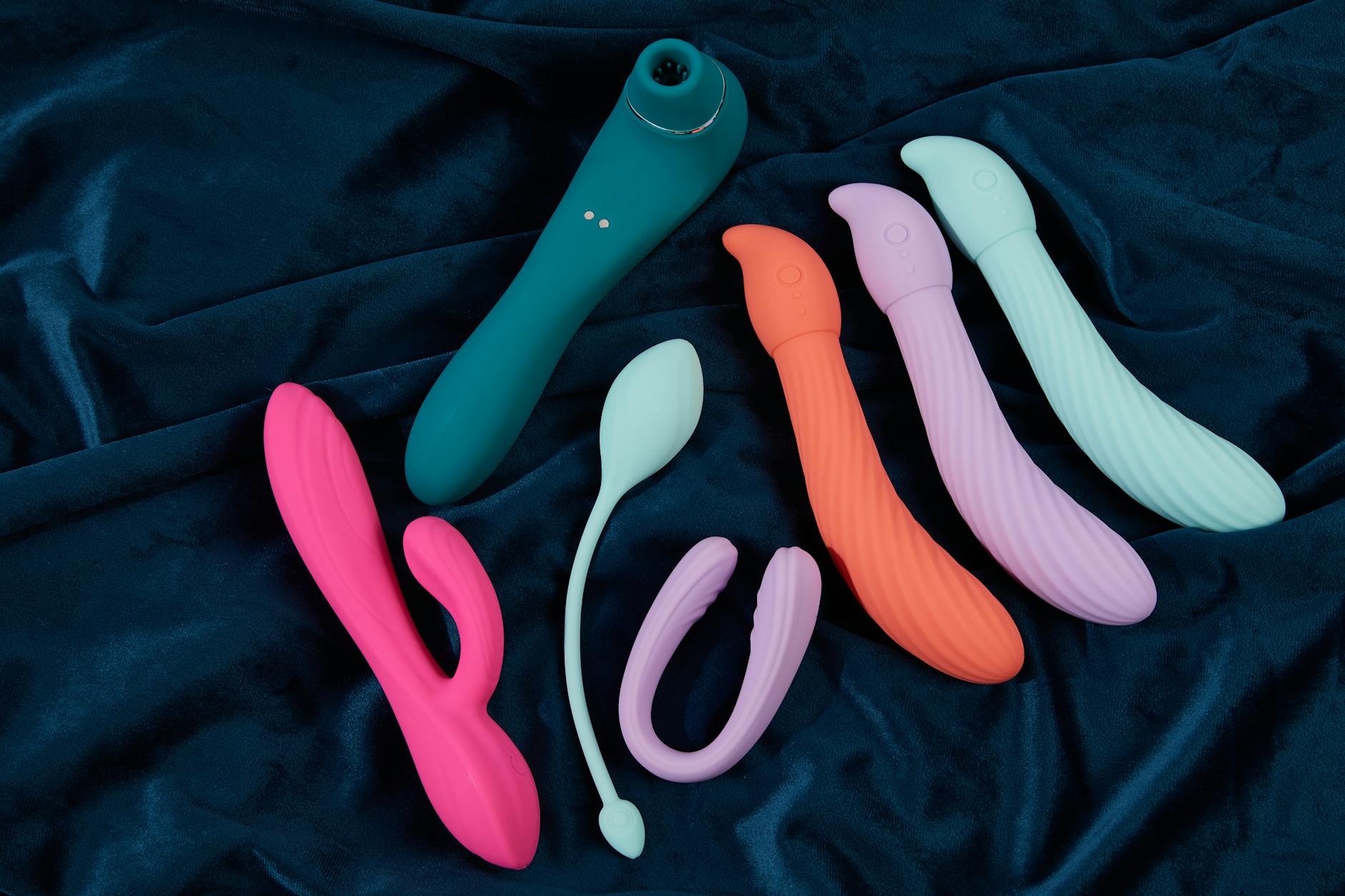
Let's be real about sensitive skin and vibrators
Sensitive skin isn't a small problem. Irritation, rashes, and inflammation aren't worth any amount of pleasure. The good news: material quality is almost everything here. A lemon vibrator from a brand that cares about what goes on and in your body will be made from body-safe materials. A cheap one won't be.
Here's what you need to know to choose right and protect your skin.
Why material matters more than you think
Your vulva and clitoral tissue are permeable and delicate. They're lined with thin mucous membrane that absorbs whatever touches it. When you use a vibrator made from low-quality plastic or porous rubber, you're not just risking physical irritation from texture. You're introducing chemicals directly into your bloodstream.
Poor materials often contain phthalates (softening chemicals), BPA, and other endocrine disruptors that don't belong anywhere near your body. They can leach out over time, especially when the toy warms up from friction or battery heat. Reactions range from mild itching and redness to actual chemical burns in people with very reactive skin.
The safest clitoral vibrators are made from non-porous, non-toxic materials that don't absorb bacteria, don't break down, and don't leach chemicals. Let's talk about which ones actually work.
The gold standard: medical-grade silicone
Medical-grade silicone is the material most lemon clitoral vibrator makers use for good reason. It's non-porous, which means bacteria can't nest inside. It doesn't absorb water or body fluids. It's hypoallergenic for the vast majority of people (truly silicone allergies are rare, though sensitivity to additives in cheap silicone isn't).
When you're buying a lem vibrator or any lemon sexual toy, check the product page for "medical-grade silicone" or "body-safe silicone." That language tells you the manufacturer is sourcing material that meets FDA food-contact standards, not just calling it silicone because it's technically silicone.
The texture matters too. Smooth silicone is gentler on irritated skin than textured silicone, which can catch and tug. If you're having a flare-up with sensitivity, opt for the smoothest option you can find.
Glass and stainless steel: hard but brilliant
Borosilicate glass vibrators are non-porous, chemically inert, and don't absorb anything. They're heavy, they don't warm up, and they're completely non-reactive. If your skin is reactive to almost everything, glass is often the answer.
Stainless steel is the same story. It's durable, won't degrade, and won't leach. It's cooler to the touch than silicone (some people prefer this; others find it uncomfortable). Both glass and steel are easier to clean than silicone because nothing sticks to them.
The downside: neither conducts vibration as subtly as silicone. If you're sensitive to intense stimulation as well as skin irritation, a glass or steel toy might be overstimulating.
What to avoid entirely
Never buy a lemon adult toy made from these materials. Not ever.
Jelly rubber. It's porous, absorbs bacteria and lubrication, and degrades over time. It often contains phthalates and will make sensitive skin worse within hours.
Cheap PVC. If the product page doesn't say "medical-grade silicone" or "body-safe" and it's under $40, it's probably PVC or mystery plastic. PVC toys leach chemicals and are genuinely unsafe.
Novelty plastics and rubber. Vibrators shaped like fancy objects or marketed as "realistic" are almost always made from cheap elastomers that shouldn't touch skin.
Unspecified silicone. If the brand won't tell you the silicone grade, assume it's not medical-grade. Transparency about materials is the bare minimum of responsible manufacturing.
Cleaning a lemon vibrator if you have sensitive skin
How you wash your toy matters as much as what it's made from. Residue from lubricant, body fluids, or harsh soap can trigger irritation even if the material itself is safe.
For silicone: wash with warm water and a tiny bit of fragrance-free, dye-free soap immediately after use. Don't let it sit. Rinse thoroughly until the water runs completely clear. Pat dry with a clean towel and let it air-dry fully before storing. Don't use antibacterial soap, which can damage the silicone and disrupt your skin microbiome.
For glass or stainless steel: same process, but you can be more aggressive. Use a soft brush or cloth to scrub the surface. Both materials can handle hotter water than silicone, which actually helps sanitize them better.
Never put a silicone vibrator in the dishwasher, even if you see blogs recommending it. Heat and harsh detergent break down the silicone over time. For glass or steel, top-rack dishwasher is fine if you're in a hurry, but hand-washing is better.
Lubrication is part of the equation
You can have the safest lemon clitoral vibrator in the world, but if you're using the wrong lubricant, you'll still get irritation. Water-based lubricants are safest for silicone toys. Silicone-based lubes damage silicone. Oil-based lubes absorb into skin and can trigger sensitivity.
If you have reactive skin, use the most minimal, plain-ingredient lubricant you can find. Hypoallergenic water-based formulas are your friend. Test a tiny amount on your inner arm 24 hours before using it on your vulva.
Actually, here's a pro tip: if a lemon vibrator uses air-suction technology (which some do), you often need less lubrication altogether. The suction creates its own seal, and many people find they can use it with minimal or no lube once they're aroused.
Signs your toy material is causing problems
Irritation isn't always immediate. Sometimes it builds over time. Watch for itching, redness that lasts more than an hour after use, unusual discharge, or a burning sensation during or after play.
If you experience any of these, stop using the toy and give your skin 48 hours to recover. Then, if you know the toy is body-safe material (medical-grade silicone, glass, or steel), the problem might be lubrication, cleaning residue, or friction duration. Switch lubricants or wash your toy more carefully and try again.
If irritation happens with every toy made from the same material, you might have a genuine material sensitivity. Switch to a different type. Glass or stainless steel are your options if even medical-grade silicone irritates you.
If nothing works, see a dermatologist or gynecologist. Sometimes sensitivity is actually a sign of infection, eczema, or another skin condition that needs treatment, not a toy problem.
Why Hello Nancy cares about this
A cheap lemon vibrator sold with zero transparency about materials is saving the maker money, not you anything. Body-safe lemon sexual toys cost a bit more because sourcing non-toxic materials and testing them properly costs money. It's worth it. Your skin is worth it.
When you're shopping for clitoral vibrators anywhere, ask questions. Legitimate brands will tell you exactly what the toy is made from, how to care for it, and what to watch for. If a brand is vague, move on.
People also ask
Is silicone safe for sensitive skin?
Medical-grade silicone is one of the safest materials you can use on sensitive skin, period. It's non-porous, doesn't absorb bacteria, and isn't chemically reactive. That said, sensitivities to additives in lower-grade silicone do exist. If you react to silicone toys, you're likely reacting to filler chemicals, not the silicone itself. Try a premium brand or switch to glass or steel.
Can you get an allergic reaction from a vibrator?
True silicone allergies are exceptionally rare. What's common is irritation from phthalates, BPA, or other chemicals in cheap materials, or from cleaning products left on the toy. You can also get irritation from the lubricant, not the toy. If you're having reactions, isolate what's causing it: test a new lube, rewash the toy, or try a different brand made from confirmed body-safe materials.
What's the difference between body-safe and medical-grade silicone?
Medical-grade silicone meets FDA food-contact standards for purity and safety. It has fewer filler chemicals and additives than other silicone grades. Body-safe is a marketing term that should mean the same thing, but not all companies using it have verified their material. Look for brands that explicitly say medical-grade and back it up with testing or certification.
How often should you replace a silicone vibrator?
A quality medical-grade silicone toy lasts years with proper care. You'll know it's time to replace it when the surface gets sticky or starts breaking down visibly. This usually takes 3-5 years of regular use. If you're taking care of it well and it still feels good, there's no hard expiration date. Unlike condoms, a well-maintained silicone toy doesn't have a safety shelf life.
Are glass vibrators safe?
Borosilicate glass vibrators are completely safe. Glass doesn't absorb, doesn't leach, and is chemically inert. The only real risk is physical damage if you drop it on a hard floor. Check it carefully for cracks or chips before use. A small chip you can't see could cause tissue damage. Otherwise, glass is one of the cleanest options available.
Can sensitivity to vibrators improve over time?
Sometimes. If the irritation was caused by a cheap toy or wrong lubricant, switching to high-quality materials and careful cleaning can solve it entirely. If you're sensitive to vibration intensity, starting with lower patterns and longer warm-up time helps your body adapt. Some people also find their sensitivity decreases as they get to know their body and learn what works. If true material sensitivity persists across multiple safe toys, see a dermatologist. You might be dealing with a skin condition that needs treatment.
The bottom line
Your pleasure matters. So does your safety. A lemon vibrator made from medical-grade silicone, glass, or stainless steel, cleaned properly and used with the right lubricant, is safe for sensitive skin. Cheaper materials aren't worth the irritation, the chemical exposure, or the ruined experience.
If you're building a collection or replacing an old toy, start with material quality. The rest follows. And if you ever have questions about whether a specific toy is safe, ask the brand directly. Any company worth buying from will answer honestly.
Need help finding the right toy for your skin type? Check out our buying guide for a deeper look at clitoral vibrators and how to choose.
References & Sources
Food and Drug Administration. "Sex Toy Safety and Material Standards." FDA consumer guidance on body-safe materials and testing requirements, 2023.
Merritt, D. F., et al. "The Health Impact of Phthalates: A Systematic Review." Reproductive Toxicology, vol. 84, 2019, pp. 86-98.
American College of Obstetricians and Gynecologists (ACOG). "Recommendations for Sexual Health Products and Barrier Methods." Clinical practice updates, 2023.
Moore, K. E., et al. "Characterization of Contaminants in Consumer Personal Lubricants." Journal of Sexual Medicine, vol. 15, no. 8, 2018, pp. 1055-1063.