Here's what nobody tells you about irregular hormones and pleasure
When your cycle skips around, everything else skips around too. Arousal timing shifts. Sensitivity changes. What felt amazing last week might feel too intense this week. Most people assume this means their body is broken. It's not. It's doing exactly what hormones tell it to do.
The good news: once you understand how your cycle (or lack of a predictable one) affects sensation, you can actually use that knowledge to optimize your pleasure instead of fighting it.
Why irregular cycles mess with your sensitivity in the first place
Estrogen and testosterone don't just show up on schedule. When your cycle is irregular, their peaks and valleys become unpredictable, which means clitoral sensitivity, lubrication, and how quickly you warm up sexually all shift without warning.
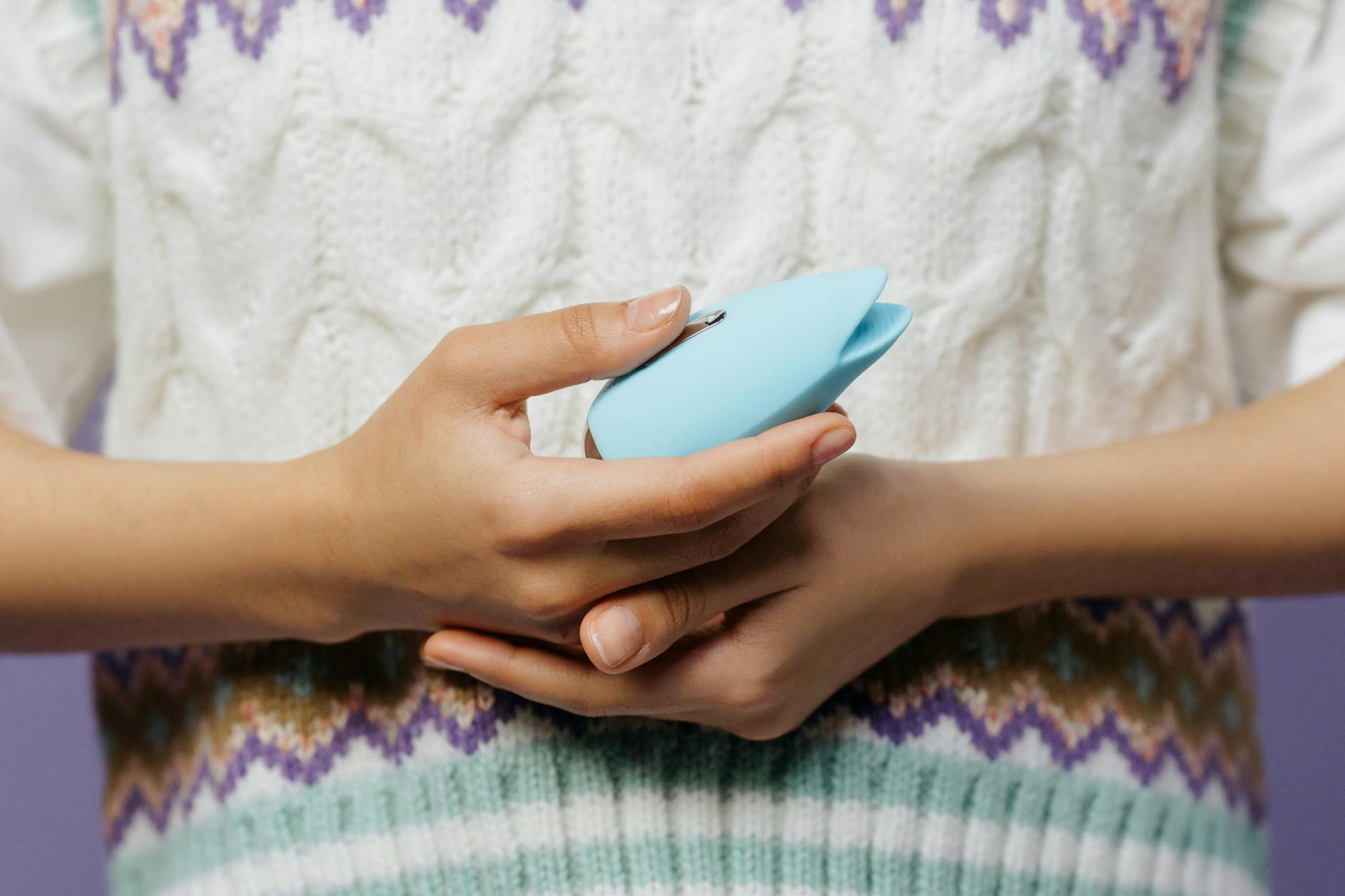
Here's what happens physiologically. Higher estrogen makes tissue more sensitive and increases blood flow to the clitoris. This is usually the sweet spot for using a lemon vibrator like the Lem with higher intensity patterns. Lower estrogen means less sensitivity, thinner tissue, and a need for more foreplay and gentler stimulation. When your cycle is all over the place, you might go from needing pattern 5 one week to pattern 2 the next.
The clitoris has over 8,000 nerve endings. Hormones don't change the nerve count, but they absolutely change how responsive those nerves are. Testosterone, even in small amounts in people with vulvas, drives desire and sensation intensity. When testosterone dips unexpectedly in an irregular cycle, orgasms might feel harder to reach.
Tracking your sensitivity patterns even when your cycle isn't regular
You don't need a perfect cycle to notice patterns. You just need to pay attention.
For the next two months, jot down three things when you use any vibrator: how long it took you to warm up, which intensity pattern felt best, and how the orgasm felt (strong, subtle, multiple, hard to reach, easy). You're not tracking your period. You're tracking your arousal and sensation.
Doing this reveals something most people miss: irregular cycles often follow a pattern too. Maybe you have two short cycles in a row, then a long one. Maybe you spot between periods. Maybe your hormones surge differently each month. Whatever your particular rhythm is, tracking sensation will help you spot your own micro-cycles within the chaos.
Once you see the pattern, you can prepare. If you notice you're always more sensitive about a week after you spot, you have a window where higher-intensity patterns will feel satisfying. If you notice arousal takes longer in the weeks after heavier flow, you know to budget 20 minutes instead of 10.
Adjusting your lemon vibrator strategy across hormonal phases
Even with irregular cycles, your body still moves through phases. They might not match a textbook calendar, but they exist.
The phase after bleeding (low estrogen phase). You're likely less lubricated, tissue is thinner, and sensitivity is lower. This is when you want to use lower settings on your lemon clitoral vibrator. Start at pattern 1 or 2. Use water-based lubricant even if you usually don't need it. Give yourself 15 to 25 minutes for warm-up. This phase is about building sensation, not chasing intensity.
The phase before ovulation (rising estrogen phase). Arousal is easier. Lubrication improves. Sensitivity climbs. This is when you can explore medium intensity patterns and, if you want, push toward pattern 5. Your body will tell you if you're ready. You might notice this phase lasts longer or shorter depending on your cycle, but when it arrives, you'll feel it.
The luteal phase (after ovulation, progesterone-dominant). This is complicated because progesterone is a mixed bag. Some people feel more sensation and easier orgasms. Others feel slightly numb or struggle to reach climax. You might feel more emotional intensity during partnered sex or solo use. This is where your personal tracking really matters. If you notice you always feel less sensation in this phase, accept it and adjust settings accordingly. If you feel more, lean into it.
What to do when sensitivity swings wildly from one use to the next
Sometimes irregular hormones mean you genuinely can't predict how you'll feel. You might start with pattern 2 and realize within a minute that pattern 4 was what you needed. That's fine. Your lemon vibrator is designed for flexibility.
Keep the intensity controls visible and accessible so you can adjust mid-session without breaking focus. Don't force yourself through a pattern that isn't working. If you start on 3 and it's too much, go back to 2. Your body isn't failing you. Your hormones are just in a different place than they were last time.
One thing that helps: warm up longer than you think you need to. Fifteen to 20 minutes of foreplay, solo touch, or teasing with the vibrator on lower settings gives your body time to catch up to your intention. You might be surprised how much easier everything else becomes when you give arousal time to build.
The role of lubrication when your body is unpredictable
Hormonal fluctuations affect lubrication more than almost anything else. Irregular cycles often mean inconsistent estrogen, which means inconsistent natural lubrication.
Use water-based lubricant freely. It's not a sign that something is wrong. It's a tool that makes sensation better, especially on the low-hormone days. Silicone lube feels richer and lasts longer, but avoid it with silicone toys like many lemon vibrators. Water-based works perfectly and won't damage your toy.
Apply it before you use your vibrator and reapply as you go. More lubrication usually means you can use higher intensity without discomfort, and it often makes sensation feel more pleasurable overall.
Communication with partners when your needs keep changing
If you're using a lemon vibrator with a partner, irregular hormones create a communication challenge. Your partner might struggle to understand why what worked last time doesn't work now.
Here's what works: separate "body is different today" from "I want something different from you emotionally." Tell your partner explicitly: "My hormones are shifting this week, so I'm going to need more warm-up time and lighter pressure. It's not about you or what you're doing. My body is just in a different place." That's vastly more useful than general frustration.
You can also invite your partner to help. Let them hold the vibrator, control the intensity, or simply be present while you use it solo. This keeps connection alive even when your body's needs are shifting week to week.
When to check in with a doctor about irregular cycles and sensation changes
Irregular cycles are common, especially in people in their late 30s and 40s, people with PCOS, or people under chronic stress. But if your cycle becomes wildly erratic, painful, or accompanied by heavy bleeding, that's worth discussing with a gynecologist.
Also flag it if sensation changes feel severe or if you're experiencing pain during sex. Pain is different from reduced sensation. Pain warrants professional evaluation. Reduced sensation is frustrating but manageable with the strategies above.
If you're on hormonal birth control and your cycle is irregular, talk to your doctor about whether adjusting your method might help. Sometimes switching from a monthly pill to a longer-cycle or continuous method makes sensation and arousal more predictable.
The bigger picture: your pleasure is worth planning for
Here's the thing about irregular hormones and pleasure. They're not a problem to solve. They're information. Your body is constantly signaling what it needs. The people who have the most satisfying sex lives aren't the ones with perfect cycles. They're the ones who listen to their bodies and adjust.
Your lemon vibrator is flexible enough to meet you wherever you are. Your job is to notice where that is and use it accordingly. Track. Adjust. Notice what works. Repeat. That's not rigid. It's actually the opposite. It's responsive. It's how you build a pleasure practice that works with your body instead of against it.
People also ask
Can you use a lemon vibrator during your period?
Yes, absolutely. Many people find that clitoral stimulation feels great during menstruation, partly because increased blood flow to the pelvic area heightens sensation. Some people experience stronger or more frequent orgasms during their period. Use a lemon clitoral vibrator the same way you would any other time. Just make sure it's waterproof if you're using it in the shower or bath. If you're using it in bed, a dark towel underneath prevents any mess concerns. There's no medical reason not to use it, and some people find it helps with period cramping as well.
How do irregular cycles affect orgasm intensity with a vibrator?
Hormonal fluctuations can make orgasms feel stronger in high-estrogen phases and subtler in low-estrogen phases. This is completely normal. In phases with higher estrogen and testosterone, you might experience multiple orgasms or more intense single orgasms. In lower-hormone phases, orgasms might feel more concentrated or require longer build-up time. The orgasm capacity is still there. The hormonal landscape just changes how it expresses. Adjusting intensity settings and warm-up time usually helps.
Should you use different lemon vibrator patterns depending on where you are in your cycle?
Yes. During higher-hormone phases when sensitivity is higher, you can explore patterns 4 and 5 on your lemon vibrator. During lower-hormone phases, patterns 1 through 3 usually feel better and more comfortable. Some people also prefer pulsing patterns during low-hormone phases and continuous patterns during high-hormone phases. Experiment within your cycle to find what your body prefers. If you notice you always prefer pattern 3 no matter what, that's your answer too. There's no one right pattern. There's only what works for your body.
What if you can't predict your cycle well enough to plan ahead?
You don't need perfect prediction. You just need awareness in the moment. When you sit down to use your vibrator, tune into your body first. Do you feel lubricated? Do you feel aroused easily or is it taking effort? Are your tissues sensitive or do they feel thick and less responsive? Start on a lower setting and adjust upward as you go. Your body will communicate what it needs if you listen. Over a few months of paying attention, patterns usually emerge even in irregular cycles.
Can PCOS or other conditions that cause irregular cycles affect vibrator use?
PCOS and similar conditions often come with hormone imbalances that affect sensation and lubrication. If you have PCOS or another endocrine condition, you might notice more extreme swings in arousal and sensitivity. The strategies above still apply. Track your patterns. Use lubrication generously. Adjust intensity based on how you feel in the moment. If sensation is significantly impaired or if hormonal symptoms are severe, talk with your doctor about whether medication adjustments might help. Your gynecologist can also recommend strategies specific to your condition.
Is it normal to need more or less lube at different times with hormonal fluctuations?
Completely normal. Your natural lubrication rises and falls with estrogen. In low-estrogen phases, you might need external lubricant every time. In high-estrogen phases, you might produce enough on your own. Both are normal. Using water-based lube is never wrong. It doesn't mean your body isn't working. It just means you're optimizing sensation. The same way you wear different layers in different seasons, you adjust lubrication across your cycle. It's pragmatic, not pathological.
What comes next
Irregular hormones don't mean irregular pleasure. They mean your pleasure changes shape, and that's something you can work with instead of fight against. The lemon vibrator is flexible enough. You are too. Start tracking this week. Notice how your body feels and what intensity works. Adjust. That's all there is to it.
If you want to dig deeper into how your cycle shapes arousal and satisfaction, reach out. We talk about this stuff all the time.