Let's name what's actually happening here
After a break from sex, pleasure feels unfamiliar. Your body might feel like it doesn't remember what it likes. Your nervous system is suspicious. And honestly, there's a voice in your head saying "What if this doesn't work?" or "What if I can't come anymore?" That voice is anxiety, not fact. But it's loud, and it matters because anxiety literally shuts down arousal.
When you're in a state of nervous hypervigilance, your parasympathetic nervous system can't activate. You need that activation to feel pleasure. So the first part of restarting intimacy isn't about the vibrator at all. It's about creating conditions where your nervous system actually believes it's safe to relax.
Why your nervous system is holding you back
After a break from sex, your brain categorizes pleasure as "low priority" or even "risky." This isn't weakness. It's exactly what brains do when we step away from something. Add performance pressure on top of that, and you're working against your own biology.
Here's what that looks like: you pick up a vibrator, excitement flashes for half a second, then immediately your mind goes to "am I doing this right?" or "is something wrong with me?" That thought activates your sympathetic nervous system, which tells your body to brace. Blood flow redirects. Sensitivity drops. The vibrator becomes another source of pressure instead of pleasure.
The way through this isn't willpower. It's recalibration. Your nervous system needs evidence that pleasure is actually safe again.
The three-week restart protocol
This isn't a rule set in stone. But clinical evidence suggests that nervous systems need about three weeks of consistent, low-pressure exposure to recalibrate. Here's the structure.
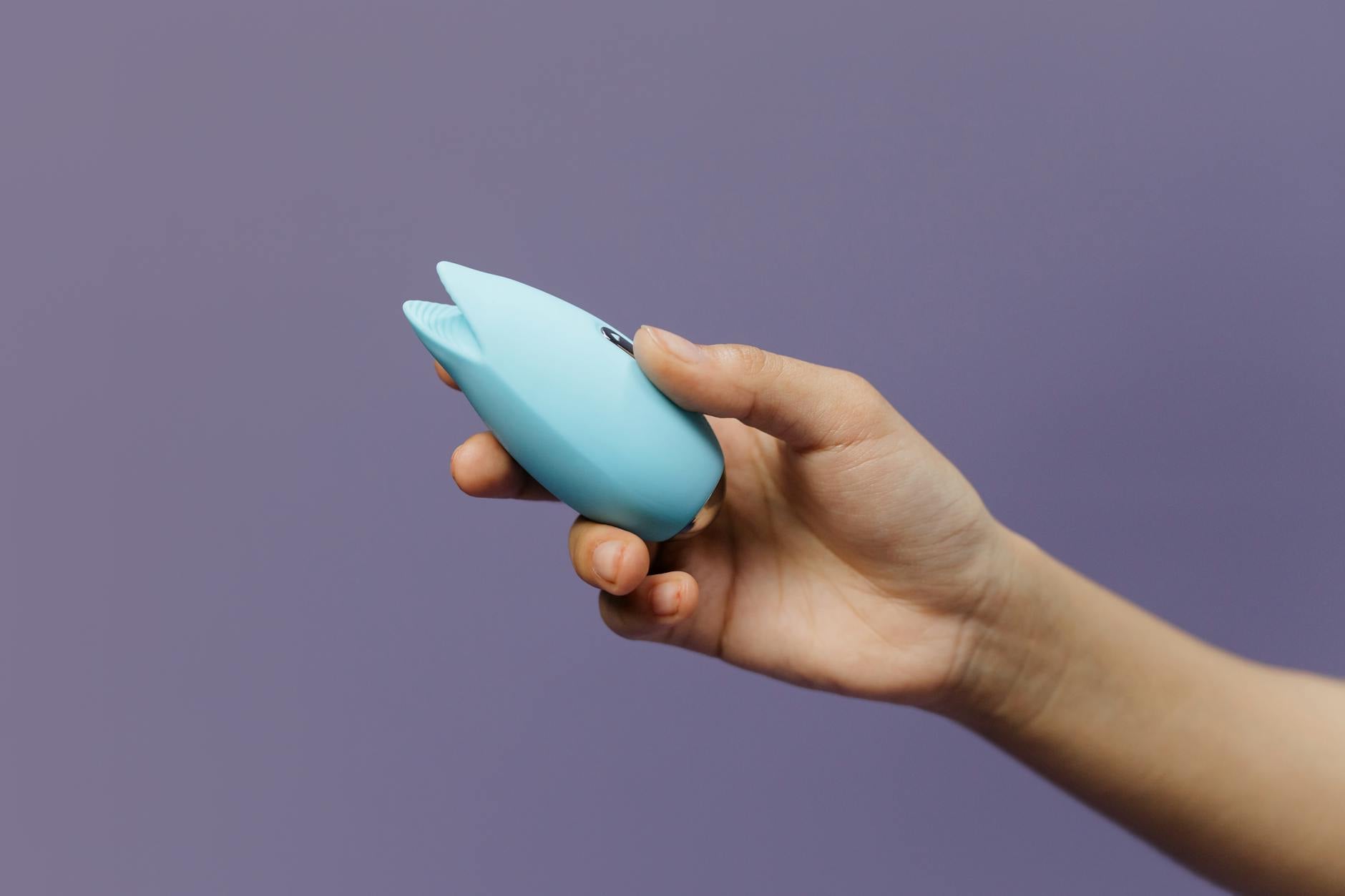
Week 1: Introduction without expectation. Hold your lemon vibrator. Don't turn it on. Just get comfortable with it in your hand, on your nightstand, visible in your life. Spend five minutes a day sitting with it without any goal of arousal. This sounds absurd until you realize how much shame or avoidance lives around the object itself.
Week 2: Exploration with the lowest patterns. Turn on your lemon clitoral vibrator, but use only patterns 1 or 2 (the gentlest suction settings). Apply it to non-genital areas first: inner wrists, the inside of your forearm, behind your ears. This sounds counterintuitive, but you're giving your nervous system evidence that the sensation is safe without putting it directly where performance anxiety lives.
Week 3: Slow introduction to the intended area. Now bring the lowest patterns to your clitoris. Spend 10-15 minutes just noticing sensation without a goal of orgasm. If orgasm happens, great. If not, genuinely fine. The goal is reconnection, not climax.
What to actually do with your lemon vibrator when anxiety shows up
Let's say you're in week two or three and you've picked up your lemon adult toy, and suddenly your chest tightens. That's not a signal to stop. That's a signal to do less.
Turn the vibrator off. Hold it. Breathe. Specifically, make your exhale longer than your inhale. Four counts in, six counts out. Do this for two minutes. This directly activates your parasympathetic nervous system.
Then turn the vibrator back on, but at a lower pattern. Many people find that when anxiety spikes, pattern 1 (the suction-only setting on the Lem) feels almost grounding because there's no overwhelming sensation. It's predictable. It's gentle. Your nervous system can actually track what's happening.
If anxiety persists, stop. This isn't quitting. This is listening. Your nervous system isn't ready for this particular session, and pushing through teaches it that pleasure is something to survive, not enjoy.
The partner conversation, if there is one
If you're restarting pleasure with a partner present, they need to understand something crucial: your anxiety isn't about them. It's about your nervous system recalibrating. When partners internalize hesitation as rejection, they tense up too, which makes your nervous system more vigilant, which makes everything harder.
Before you use a lemon clitoral vibrator together, say this out loud: "I'm nervous because I've been away from this, not because something's wrong." Then be specific about what you need. "I want to use the gentlest patterns." "I want to focus on sensation, not orgasm." "I might need to stop and that's okay." Partners who understand the nervous system piece stop trying to "fix" your pleasure and start creating safety instead.
Timeline matters, but don't weaponize it
Some people restart pleasure in three weeks. Some take three months. Both are completely normal. The frame that often breaks people is treating the timeline like a test. "I should be back to normal by now" turns into "I'm broken," which activates anxiety all over again.
Instead, track small wins. One week you could hold the vibrator without shame. The next week you used pattern 1 for five minutes without feeling pressure. The week after that, something actually felt good. Those are real progress markers, even if they don't look like the pleasure you had before the break.
When sensation just doesn't come back quickly
If three weeks pass and you're still feeling numb or disconnected, that's information worth paying attention to. Sometimes pleasure withdrawal points to something deeper: unresolved conflict with a partner, ongoing stress that hasn't been addressed, or medical factors like thyroid shifts or medication side effects that genuinely do impact sensation.
This is when talking to someone helps. Not because something's wrong with you, but because sometimes the barrier to pleasure lives somewhere other than the nervous system. A good therapist, particularly someone trained in somatic work or relationship dynamics, can help you identify whether this is a psychological recalibration issue or whether something else needs attention first.
The pleasure precedent you're setting
Here's what I want you to understand about this entire process: the way you restart pleasure now sets a precedent. If you white-knuckle through anxiety to make yourself orgasm as fast as possible, you're teaching your nervous system that pleasure is a performance metric. That lesson sticks around.
But if you move slowly, pause when anxiety shows up, and treat sensation as something to notice rather than something to achieve, you're building a different nervous system response. You're teaching your body that pleasure is something safe and worth exploring, not something to rush or force.
That foundation holds. It makes future intimacy easier, whether that's with a partner or on your own. Your lemon vibrator isn't a fix. It's a tool for practicing a different relationship with sensation. And that relationship is worth the time it takes to build.
FAQ: Restarting pleasure with lemon vibrators
How long should I wait between sessions if I'm restarting pleasure?
Every other day is a gentle starting point. This gives your nervous system time to integrate what happened without losing momentum. If you're feeling significant anxiety, spacing sessions three days apart is fine. The goal is consistency, not frequency. Once a week builds habits but might not give your nervous system enough evidence to recalibrate.
What if I feel aroused but orgasm doesn't happen?
That's actually perfect progress. Arousal is the nervous system belief that pleasure is possible. Orgasm is a later piece. If your body is willing to become aroused, you're already halfway there. Some people find it takes weeks or months for their nervous system to "allow" orgasm after a break. That's completely normal. Keep showing up to the sensation without the expectation.
Should I use my lemon clitoral vibrator during partnered sex if I'm nervous?
Only if it genuinely feels good and reduces pressure, not adds it. If using it feels like "I need a vibrator to finish," that's sometimes anxiety speaking. Better to get comfortable with sensation solo first, then bring the vibrator into partner time once you trust your own response. Many people find that a lemon adult toy actually makes partnered sex less anxiety-producing because they know they have a tool that works for them.
Can medication or hormonal changes keep me from feeling pleasure?
Absolutely. Certain medications, particularly SSRIs and some blood pressure meds, genuinely do reduce sensation. Hormonal shifts, especially if you've recently changed birth control, can too. If you suspect this is happening, mention it to your doctor. Sometimes a timing adjustment or different medication helps. Sometimes you just need to know that the numbness isn't in your head so you can stop blaming yourself.
How do I know if it's anxiety or if something's actually wrong physically?
Anxiety usually comes with a story: "This means I'm broken" or "This will never work again." Physical issues usually come with specific sensation markers: pain, extreme dryness, numbness despite trying different approaches. If you're noticing physical symptoms that persist beyond the nervous system recalibration phase (like consistent pain), see a gynecologist. If it's mostly "I feel disconnected and scared," anxiety is driving the car. Both need attention, but they need different kinds.
Can I restart pleasure with a partner or should I do it solo first?
Solo exploration usually builds confidence faster because there's zero performance pressure. But if you're in a partnership and they're supportive, doing it together can actually strengthen intimacy as long as expectations stay low. The key is honest communication about what you're trying to do. If you go solo first, you'll know your own patterns before involving someone else. Either order works.
You're not broken, you're just recalibrating
The break from pleasure isn't a personal failure. Your nervous system did exactly what it was supposed to do: it protected you by downregulating something that felt risky. Coming back is just teaching it that pleasure is safe again. That takes time, consistency, and patience with yourself. Your lemon vibrator, whether it's the Lem or another trusted tool, is just the object you're using to practice. The real work is the permission you're giving your nervous system to relax and feel good again. That's always been the work. And it's absolutely worth it.