Let's start with the thing nobody names
Some partners have a reactive nervous system. They get overwhelmed fast. Loud sounds, sudden intensity, too much pressure, too much sensation happening all at once. Their body just shuts down. It's not rejection, it's not that they don't want you. It's a wiring thing, and it's surprisingly common.
The problem is that most vibrators are binary. On or off. Low or medium. They don't give you the precision to say "just a tiny bit more, and very slowly." That's where lemon vibrators actually solve a real couple problem.
Why standard vibrators make this harder
Traditional vibrators have a few built-in issues for reactive partners:
They escalate fast. You hit the button, the sensation jumps. For someone whose nervous system is already tuned to high alert, that jolt can feel like an ambush. Their body tenses, arousal crashes, and you're both frustrated.
They don't offer middle ground. Most toys have three settings: barely there, medium, and "why did I agree to this." A reactive partner needs the capacity to sit in stage one for as long as they need, without boredom setting in for either of you.
They create performance pressure. If you're watching your partner's face, waiting for them to be ready to move up a level, it stops being fun and starts being work. The air gets tense.
Lemon clitoral vibrators work differently. The suction-based design means you're not applying force. You're creating gentle, sustained stimulation that a partner can sink into without bracing against it.
The pattern approach: how reactive partners actually build arousal
Here's what I've learned working with couples where one person has a reactive nervous system. Arousal isn't a light switch for them. It's a slow burn that requires consistency, gentleness, and permission to stay in the early stages.
With a lemon vibrator, you control two variables: pattern and time. Not intensity hitting them like a hammer.
Start on pattern 1 or 2 (the gentler, rhythmic patterns). Stay there for 10 to 15 minutes. I mean actually stay there. Your partner's nervous system needs time to relax into the sensation. If you're switching patterns every 30 seconds because you think they should be escalating by now, you're working against their wiring.
The magic happens around minute 8 to 12. That's when arousal actually starts to accumulate. Before that, you're still in the "is this okay" phase, and their body is still half-listening for threats. Let them drop into it.

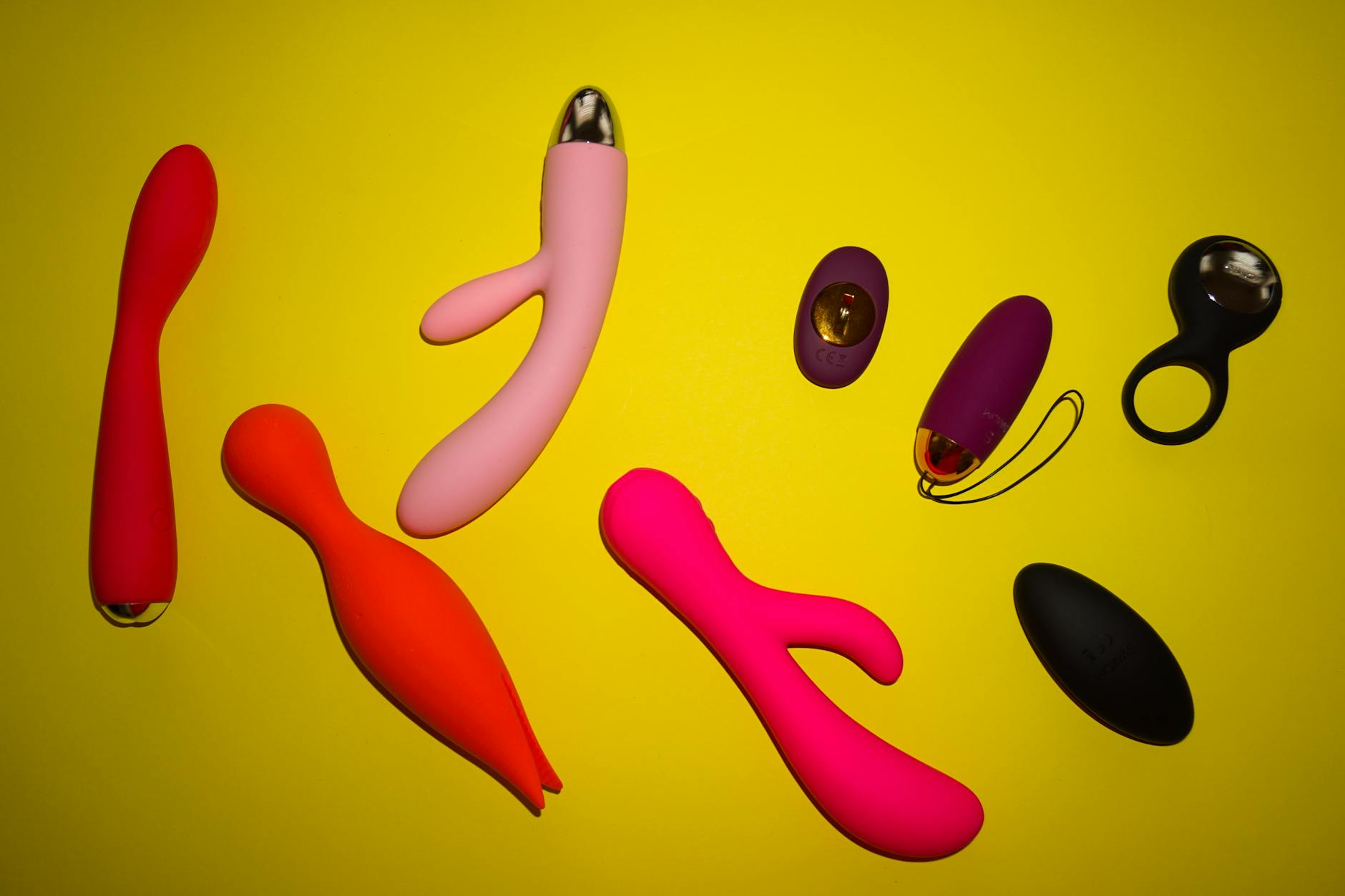
Photo by FounderTips on Pexels
The conversation that makes this work
Before you bring a lemon vibrator into the bedroom, have the actual conversation. Not the awkward sex talk. The real conversation.
Say this to your partner: "I've noticed that sometimes you get overwhelmed. That's not a problem. It's just information. I want us to find a way to explore pleasure together where you don't feel rushed and I don't feel like I'm watching you wait to escape. I found this tool that might help. It's designed to be really gentle and predictable. No sudden jumps. Would you be open to trying it?"
That's it. You've named the pattern, made it safe, and offered a solution without making them feel broken.
Then, the first time you use it together, be explicit about control. Your partner should be able to ask to stay on one pattern, ask to slow down, ask to stop. This isn't about them surrendering to your rhythm. It's about building shared pleasure.
What reactive partners actually report
I've worked with many couples where one partner has ADHD, sensory sensitivity, anxiety, or just a baseline nervous system that runs hot. When they switch to a precision tool like a lemon vibrator, the shift is consistent.
They report: "I didn't feel like I was being chased." "I could actually relax instead of waiting for it to get too much." "We could be together without me bracing the whole time."
Their partners report: "It's sexy now. Before it felt like I was administering medicine. Now I can actually enjoy it too."
That's not small. That's the difference between sex being something that happens to a reactive partner and sex being something they participate in.
The physical setup that helps
A few practical things that make this easier:
Position matters more than usual. Your partner needs to be comfortable and not worried about gravity or pressure from your body weight. Side-by-side, or them on their back with support, works better than positions where they're holding themselves up or feeling pinned.
You hold the toy. Don't hand it to them during partnered sex. You controlling the pattern and pressure means they can focus entirely on sensation and connection. Yes, you're doing the work. That's the point.
Have a non-verbal signal. Not a safeword, just a hand gesture that means "this is good, stay here." Some couples use a finger tap on the leg. Reactive partners often go nonverbal during good sex, and they shouldn't have to break that to give you feedback.
Keep it under 20 minutes total. Reactive nervous systems fatigue faster. A shorter session where they actually relax is better than a longer one where they're managing overwhelm the whole time.
What you're actually building
When you use a lemon clitoral vibrator thoughtfully with a reactive partner, you're not just having sex. You're building proof that pleasure can feel safe. That their body doesn't have to brace. That you can be together and they can let go.
That matters for the rest of your relationship too. When someone learns that it's possible to relax with you during the most vulnerable moment, they often relax with you everywhere else.
People also ask
Can a reactive partner use lemon vibrators solo, or does it only work with a partner?
Solo is actually where many reactive people thrive with lemon vibrators. Without a partner watching or waiting, there's zero performance pressure. They can take 30 minutes on pattern 2 if that's what feels good. Some people discover their actual capacity for pleasure only when they're alone. If your partner wants to explore solo first, that's smart. When you eventually use it together, they'll already know their body's rhythm.
How do you know if your partner is reactive or if they just don't want sex with you?
Reactive partners usually feel tense or distant about lots of sensations, not just sex. They're overwhelmed by loud restaurants, busy crowds, strong smells. With you specifically, they might have a lower threshold for touch overall. But yes, sometimes the issue is relationship, not neurology. If you're unsure, ask a couples therapist. A good one can tell the difference in one session and actually help.
Is it okay to use a lemon vibrator on a partner without asking?
No. Always ask. Better yet, introduce it together and let them decide if they want to try. If you sneak it in, you'll reinforce their fear that pleasure isn't safe or predictable. You'll do the opposite of what you're trying to do.
What if my partner still feels overwhelmed even with the gentlest pattern?
That's information. It might mean they need even more time on pattern 1, or it might mean their reactivity is severe enough that it needs actual clinical attention. Some people benefit from therapy that works on nervous system regulation. Some need medication adjustment. Some just need more foreplay that isn't goal-oriented at all. The tool isn't the fix. The willingness to move at their pace is.
Can lemon vibrators help with partners who dissociate or go numb during sex?
Sometimes yes, but differently. If a partner tends to check out, gentleness alone won't fix it. They might actually need more distinct sensation to stay present. A lemon vibrator's suction-based design is different enough from what they've experienced before that it can jolt them back into their body. But dissociation usually needs deeper work. A sex-positive therapist is worth the investment.
Should I talk to my partner about reactivity, or will that make them feel broken?
Frame it as information, not diagnosis. "I noticed you seem more relaxed when we slow down" is different from "You have a reactive nervous system and we need to fix it." One is an observation about preferences. The other is pathologizing. Most people respond well to the first. Then, if they want to explore why, you explore together.
Your pleasure matters too
Here's something I don't hear enough from partners of reactive people. Your pleasure matters too. Using a tool like a lemon vibrator doesn't mean you martyr yourself to your partner's pace. It means you find a rhythm that actually works for both of you, not just them surviving.
When you stop fighting your partner's nervous system and start working with it, sex becomes something you both want instead of something you negotiate. That's not compromise. That's alignment.
Start the conversation. Bring curiosity instead of frustration. And remember that the goal isn't to fix your partner. The goal is to build a life where both of you feel safe enough to let go. A lemon vibrator is just the tool. The real work is the willingness to move at a pace that lets you both arrive at the same place.
If you want to explore how communication and pleasure work together more deeply, reach out. That's what I'm here for.
References
Gottman, J. M., & Silver, N. (2015). The Seven Principles for Making Marriage Work. Harmony.
Perel, E. (2018). The State of Affairs: Rethinking Infidelity. HarperCollins.
Van der Kolk, B. (2014). The Body Keeps the Score: Brain, Mind, and Body in the Healing of Trauma. Penguin.