The arousal speed mismatch is real and nobody talks about it
Here's what happens in most relationships. One person is ready to go within minutes. The other person's body is still warming up. So the first person either waits (feeling rejected, even though nothing was said), or they push ahead (and now the second person feels rushed). Nobody's having fun. Both people feel wrong. And slowly, you stop trying.
The thing nobody tells you is this isn't a desire problem. It's a timing problem. And timing problems have actual solutions.
Why arousal speed mismatch happens
Arousal isn't one thing. It's multiple systems firing at different rates. Your nervous system ramps up differently based on stress levels, medication, hormones, past experience, and sometimes just what you had for lunch. Add a partner with a completely different arousal timeline and you've got a coordination puzzle.
One study from the Journal of Sex and Marital Therapy found that couples with mismatched arousal speeds reported lower sexual satisfaction overall. Not because the sex itself was bad, but because the emotional experience was tense. You're either waiting awkwardly or feeling pressured. That tension stays in your body even after you've synced up physically.
The good news: this is one of the easiest patterns to shift once you stop pretending it isn't happening.
How lemon clitoral vibrators solve the timing gap
This is where lemon vibrators actually change the game for couples. Here's why.
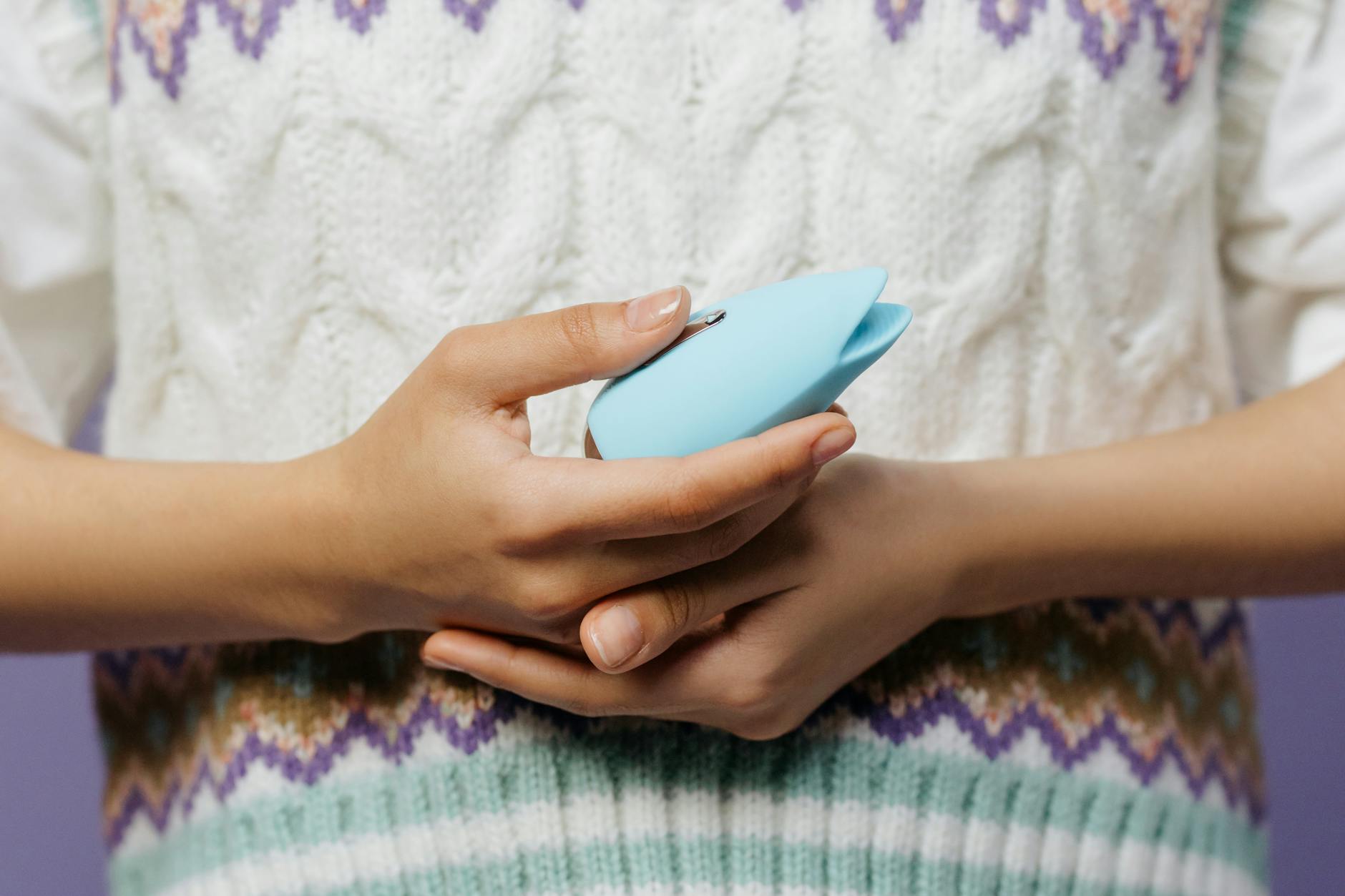
A clitoral vibrator like the Lem works on a completely different arousal pathway than partnered touch does. It's direct, consistent, and doesn't depend on your partner's rhythm or pressure. So if you're the person who takes longer to warm up, you can start your own arousal while your partner starts theirs. You're not waiting for them to catch you up. You're both moving at your own pace.
Second, using a lemon vibrator together removes the pressure dynamic. You're not waiting for your partner's hands or body to work. You're not performing for them while you figure out what you need. You're both just present.
Third, the clitoral stimulation from a lemon sucker vibrator (as opposed to penetrative focus) means the person who typically takes longer can actually reach peak arousal independent of what's happening with penetration. That's revolutionary for couples where one person gets there fast and the other needs more time.
The setup that actually works
Four things need to happen first.
1. Name the thing. Say out loud: "I notice we warm up at different speeds. That's normal and it's not a problem to fix. It's just information." The second you name it, the shame lifts. You're not broken. You're not a mismatch. You're just people with different warm-up timelines.
2. Agree on slowness. Whoever warms up faster agrees in advance that you're setting the pace to the slower person. Not their pace. The agreement. This removes real-time negotiation. It removes the person who's slow worrying they're holding you back.
3. Introduce touch first. Before you use a lemon vibrator, spend time on regular touch. Hands, mouth, whatever. The goal here isn't to reach peak arousal. The goal is for your slower-arousal partner to reach like 30% arousal through partnered touch. Then you introduce the vibrator.
4. They control the vibrator. This is critical. Even if you're the one using it on them, they have control. They can speed up, slow down, pause. This removes performance pressure and puts them in charge of their own arousal.
How to actually use lemon vibrators as a couple
Here's the real choreography.
Start with what feels natural. One of you holds the lemon clitoral vibrator. Whoever it's for holds it or guides it. The other partner can be doing other things. Touch, oral, penetration, nothing. Whatever feels like it matches the moment.
The benefit here is your slower-arousal partner is getting direct stimulation toward orgasm while the faster-arousal partner can stay engaged without pressure. You're not on the same timeline anymore. You're in parallel.
If you want penetration and one of you needs the vibrator to finish, that's fine. That's literally the point. A lemon vibrator doesn't compete with penetration. It complements it.
One pattern I've seen work really well: the faster-arousal partner uses the vibrator on the slower-arousal partner while they're inside them. That keeps them connected. The slower partner gets clitoral stimulation. The faster partner feels present and purposeful instead of waiting.
Does it feel mechanical? Maybe at first. But most couples tell me that within two or three sessions, it stops feeling like a tool and starts feeling like collaboration.
What changes when you stop fighting the timeline
The emotional shift is subtle but massive. When you're not performing for your partner or waiting for them to catch up, you can actually feel pleasure without guilt. When your partner isn't resenting the wait or feeling rejected, they can stay present with you.
Using a lemon vibrator together is actually just an honesty tool. It says: "Your pleasure matters enough that we're going to make space for your actual arousal timeline, not some fantasy version."
Couples who sync their arousal, rather than fighting it, report more frequent sex. Not because they're better at it. Because it's not stressful anymore.
What to avoid
Don't use a vibrator to speed up the slow person. That's the opposite of the point. The goal isn't to make them faster. It's to make the gap less emotionally loaded.
Don't use it as a substitute for touch if touch is what's missing. Sometimes the real problem is you've stopped touching each other altogether. The vibrator won't fix that.
Don't assume it'll fix desire mismatch. If one of you isn't interested in sex at all, a vibrator isn't the answer. That's a different conversation entirely.
The questions most couples have
Does using a vibrator together feel weird at first? Yes, usually. That passes in like three sessions once you realize nobody's judging you and it actually works.
What if my partner feels threatened? Have the conversation separately first. Let them know this isn't about them being insufficient. It's about honoring how your bodies actually work. Most partners are relieved. They've been feeling the pressure too.
Do we need a fancy vibrator or will any lemon clitoral vibrator work? Any good one works. The Lem is specifically designed for couples use because the head is broad and the suction is consistent. But honestly, if you have a vibrator that feels good solo, it'll feel good together.
What if one of us gets uncomfortable? Pause. Breathe. Ask what shifted. Usually it's not the vibrator. It's something emotional. Talk about that instead. The vibrator is just honest.
The long game
Arоusal mismatch kills way more relationships than it needs to. Most couples just accept it as "that's how we are" and slowly stop having sex altogether. Or one person becomes resentful and it poisons everything else.
Using a lemon vibrator together isn't about being kinky or advanced. It's about saying your pleasure matters enough to actually plan for. Both of you. That's what changes the dynamic.
Start small. Start with touch. Introduce the vibrator when it feels right. Let the slower person drive the pace. And notice how the resentment starts to lift the second you stop pretending everyone warms up at the same speed.
Your arousal timelines aren't broken. They're just different. And different, with a little structure and honesty, is actually easier to work with than you think.
People also ask
How long should foreplay last if partners have different arousal speeds?
There's no magic number, but research suggests foreplay between 10 and 25 minutes helps most couples sync up. The slower-arousal partner should be approaching moderate arousal by then. That's when introducing a lemon vibrator or shifting to the next phase typically works best. The key is following your partner's body cues, not the clock.
Can using a vibrator together actually improve emotional intimacy?
Absolutely. When you stop the performance dynamic and start collaborating on pleasure, intimacy naturally deepens. You're not competing or waiting resentfully. You're literally working together toward both people's satisfaction. Most couples report feeling closer, not more distant, after introducing shared vibrator use.
What's the difference between using a lemon vibrator solo versus with a partner?
Solo use is about you and your body. Partnered use is about coordination and presence. With a partner, the vibrator becomes a communication tool. It says "my arousal matters and I'm taking responsibility for it." That's different from solo exploration, and partners actually find it hot because there's collaboration and honesty in it.
Should the person using the vibrator be the one holding it?
Ideal answer: whoever feels most in control. If you're the slower-arousal partner, you holding it means you control the pace completely. If your partner holds it, you can guide them, but there's still a power dynamic. Most couples find the slower partner holding the vibrator (or holding their partner's hand on it) reduces pressure dramatically.
How do I bring this up without my partner thinking I'm unhappy?
Frame it as curiosity, not criticism. "I've been thinking about how our bodies work differently and I'd like to try something that might help us both feel less pressure." That's completely different from "You take too long" or "We need to fix our timing." You're naming a pattern and offering a solution. Most partners are relieved.
Does using a lemon clitoral vibrator mean we're bad at partnered sex?
Nope. It means you're smart enough to use tools when they help. Most couples who use vibrators together report more frequent sex overall because the emotional load drops. You're not fighting your bodies anymore. You're working with them.