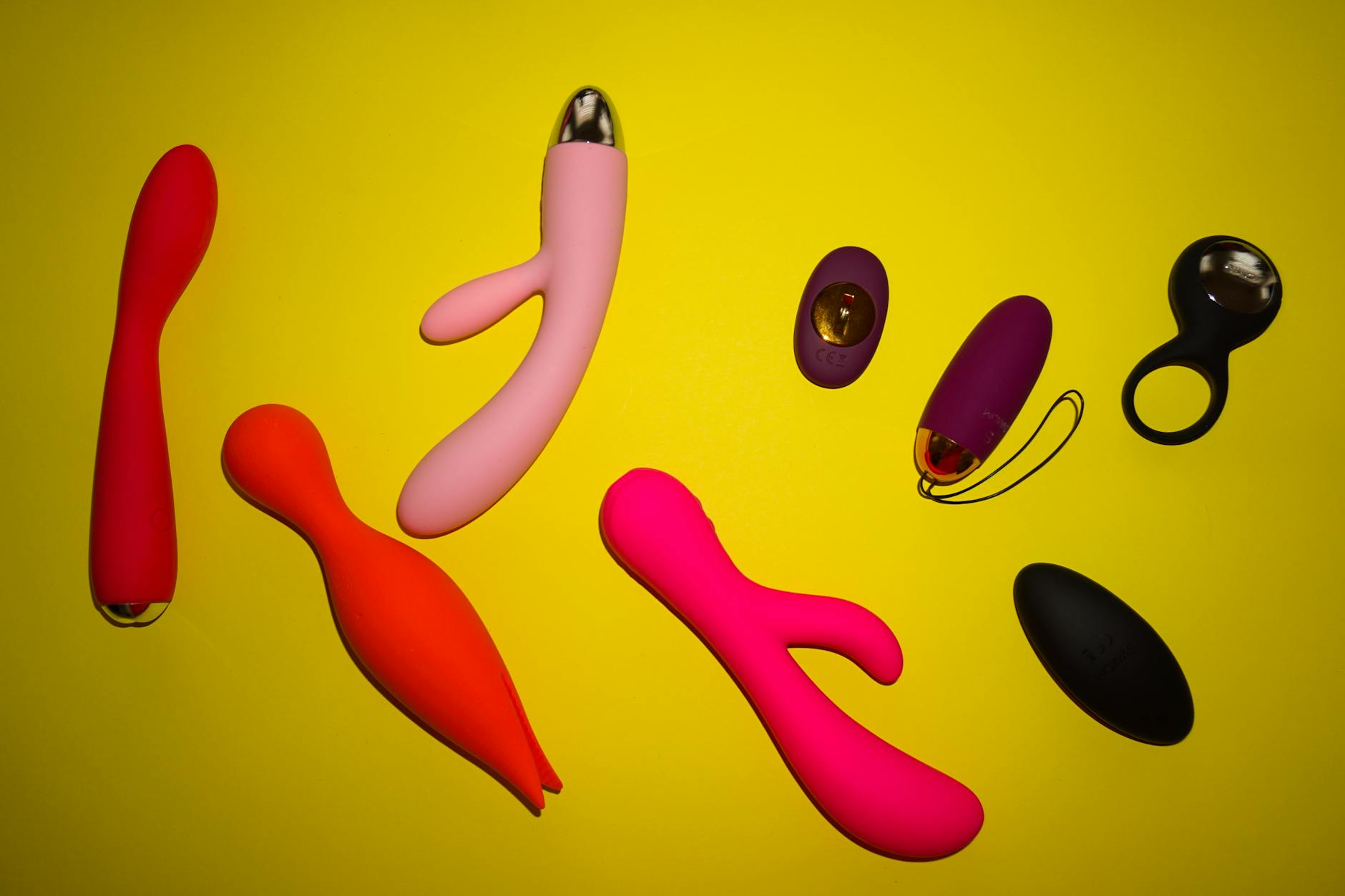
Let's be real about what antidepressants do to pleasure
You took the medication because it saved your mind. The side effect that followed — flattened sensation, delayed or absent orgasm, or that maddening feeling of arousal that goes nowhere — is real and profoundly frustrating. Most doctors don't bring this up unless you ask. Most patients don't ask because talking about sex with your GP feels impossible. So millions of people are walking around thinking their pleasure is just gone.
It's not gone. It's dampened, and there's a physiological reason.
How SSRIs rewire sensation (and why it matters)
Antidepressants like sertraline, paroxetine, and fluoxetine work by increasing serotonin in the brain. This is good for mood regulation. It's less good for sexual response because serotonin actually inhibits dopamine release in the pathways that drive arousal and orgasm. Some people feel this more intensely than others. Some barely notice. Most people taking these medications report at least some degree of blunting.
The physical sensations you're experiencing aren't actually diminished. Your nerve endings are firing normally. Your clitoris has the same nerve density it always did. What's changed is the brain's interpretation of those signals. The message is getting delivered; it's just arriving with the volume turned down.
This is important because it means the solution isn't about pushing harder or trying longer. It's about amplifying the signal in ways that bypass that serotonin bottleneck. And that's where clitoral vibrators, specifically air-suction devices like the Lem, become genuinely useful.
Why air-suction technology works when sensation feels numb
Most vibrators send vibration directly into tissue. If sensation is dulled, you might need increasingly intense vibration to feel anything at all, which can backfire (exhaustion, irritation, even more numbness). Air-suction works differently. Instead of vibrating, it creates rhythmic suction and release on the clitoris, stimulating the specialized nerve endings that respond to pressure change rather than vibration alone.
Think of it this way. Imagine trying to wake someone by tapping their shoulder (vibration) versus shaking them gently (suction). The second one breaks through because it's a different kind of sensory signal. The clitoral nerve network has receptors that respond more readily to suction, especially when dopamine pathways feel sluggish.
Many people on SSRIs report that air-suction devices like the Lem feel "waking up" their sensation in ways that traditional vibrators never did. Some describe it as the first time they've felt genuinely aroused in months.
The timing adjustment that changes everything
One of the most common mistakes people make is expecting antidepressant-dulled arousal to work on the same timeline as before. It won't. Your body hasn't lost the capacity. It just needs more runway.
Here's what I recommend.
Start your session 20-30 minutes earlier than you think you need to. This isn't about dragging things out. It's about giving your nervous system time to climb the arousal curve without pressure. When sensation is muted, your body is slower to register "this is happening," which means slower to build excitement.
Begin at lower intensities. If the Lem has eight pattern settings, start at two or three. The instinct when sensation is numb is to jump to maximum intensity. Resist it. Let your body acclimate. Often, as arousal builds, you'll find that lower intensities start to feel much more intense than they did initially. This isn't magical. It's your brain catching up with the signals your body has been sending the whole time.
Expect the arousal curve to be longer and shallower. Orgasm might take longer. The buildup might feel less urgent. This is normal on SSRIs and doesn't mean anything has permanently changed. It just means your body is operating on a different timeline. Some people find their orgasms eventually become more localized and focused rather than full-body. Others report that once they get over the threshold, sensation actually intensifies past what it was pre-medication.
Partner dynamics when you're taking antidepressants
If you're with a partner, this conversation is worth having clearly and early. "My medication has changed how my body responds, and I'm experimenting with tools that help me feel more sensation" is radically different from "I don't find you attractive anymore" or "something's wrong with me." The first is collaborative. The others end conversations.
Many partners want to help and are genuinely relieved to understand what's happening. Some men feel threatened by vibrators regardless of context; that's a separate conversation. But most partners of people taking SSRIs are grateful for anything that brings pleasure back into the bedroom, because they know how much the numbness is weighing on their person.
If you're dating or returning to dating while on antidepressants, you don't need to disclose your medication status on a first date. But if things progress, the person deserves to know: "My body takes a bit longer to warm up right now because of medication I'm taking. Here's what works for me." That sets expectations and gives both of you permission to be creative.
When to talk to your doctor (and what to say)
First: sexual side effects from antidepressants are not something you have to just accept. They're manageable, often fixable, and your doctor should take them seriously.
If sensation dampening is severe or persistent after the first month on medication, ask your prescriber about these options.
Dose adjustment. Sometimes lowering the dose slightly improves sexual side effects without sacrificing mood benefits. Not always, but worth discussing.
Timing shift. Taking your SSRI at a different time of day (e.g., before bed instead of morning) can sometimes shift when the side effects are strongest. This doesn't work for everyone but costs nothing to try.
Medication change. Some antidepressants have lower rates of sexual side effects. Bupropion (Wellbutrin), for example, actually enhances dopamine and frequently improves sexual response. Switching isn't always possible if your current medication is working for your mood, but it's a legitimate conversation.
Add-on strategies. Some doctors will add a second medication to counteract sexual side effects. Buspirone or bupropion can sometimes be layered in. Again, not a solution for everyone, but worth exploring with your prescriber.
The key is framing this as a medical problem, not a personal failing. Say: "The medication is helping my depression significantly, but sexual sensation is really affected. What options do we have?" Most competent psychiatrists have thought about this before.
Building sensation back slowly
If you've been numb for weeks or months, jumping straight to sensation-seeking can feel destabilizing. Your brain needs to recalibrate alongside your body. Here's a gentler path.
Week one: exploration without expectation. Use your clitoral vibrator with zero goal of orgasm. Just feel textures, patterns, timing. Notice what registers and what doesn't. This is data collection, not performance.
Week two: pattern hunting. Narrow down to two or three patterns that feel most interesting. Spend time on those. Your nervous system starts coding these patterns as "arousing." Repetition rebuilds the dopamine pathway.
Week three onward: layering. Once patterns feel noticeably good, try combining them with other sensations. Partner touch, internal stimulation, different positions, pelvic floor engagement. Sensation builds in combination more readily than in isolation.
Patience with plateaus. Some weeks your sensation will feel better than others. Stress, sleep, other medications, menstrual cycle phase, and random neurology all affect how much you feel. Don't interpret a flat week as permanent backsliding. Keep going.
What actually returns (and what changes)
Organ function usually returns pretty close to baseline once your body adjusts to the medication or you make adjustments to your approach. Many people do get their full sensation and arousal back.
What often doesn't return to exactly the same is intensity during early arousal. Some people find they need more consistent stimulation to reach orgasm than they did before. Some find their orgasms are less all-body and more localized. Some discover they actually prefer the slower, more focused pleasure they have now.
This isn't defeat. It's adaptation. Your pleasure hasn't shrunk. It's just operating under different parameters, and that can actually be more sustainable long-term because it's less dependent on intensity peaks and more dependent on sustained, deliberate engagement.
Your body on antidepressants is still your body. It still wants pleasure. It just needs you to meet it differently.
People also ask
Can I add a lemon vibrator to my routine if I'm already taking other supplements for sexual health?
Yes, but talk to your doctor if you're taking prescription sexual health medications or unusual supplements. A clitoral vibrator like the Lem is a physical device, not a chemical. It won't interact with SSRIs, hormone supplements, or most herbs. That said, some people combine vibrators with vaginal estrogen creams if they're experiencing dryness alongside sensation blunting (common on antidepressants). Use the cream first, wait a few minutes for absorption, then use your vibrator. No conflict.
How long does it usually take to regain sensation after starting to use a clitoral vibrator?
This is highly individual. Some people feel improvement in days. Others need weeks. Most people report noticeable shifts between two to four weeks of consistent use. The key is consistency. Once-a-week exploration won't recalibrate your nervous system. Daily or near-daily engagement does. Even ten minutes counts.
Is there a difference between using a lemon vibrator solo versus with a partner?
Both work. Solo exploration lets you focus entirely on your own sensation without performance pressure. Partner use brings arousal from two directions (their stimulation plus your vibrator) which can actually jumpstart dopamine faster. Many people find alternating between both approaches works best. Solo sessions teach your body what feels good. Partner sessions apply that knowledge in a different context.
What if I use my lemon sexual toy and still feel nothing?
That can mean a few things. One: you might need more time. The brain's reward pathways take weeks to recalibrate. Two: your antidepressant dose might be too high for your body to overcome the dopamine suppression. This is genuinely worth raising with your prescriber. Three: the specific pattern or intensity of your device might not match your particular nerve sensitivity. Some people need more intense suction, others need gentler patterns. Experimenting with different settings (all eight patterns on the Lem, for example) helps. If nothing registers after four to six weeks of consistent use across different patterns, talk to your doctor. Sometimes a medication switch is genuinely the better option.
Can I use a lemon clitoral vibrator while taking other mental health medications alongside my antidepressant?
Yes. Combining antidepressants with anxiety medications, mood stabilizers, or other psychiatric meds doesn't create device conflicts. The Lem and similar lemon sexual toys are mechanical, not chemical. They won't amplify side effects or interact with your medication stack. That said, some psychiatric medications have their own sexual side effects (especially antipsychotics). If you're on a complex medication regimen, it's worth mentioning to your prescriber that you're trying sensation-restoration techniques. They might have additional insights on your specific combination.
Does antidepressant-related numbness ever fully go away, or is this my new baseline?
For many people, it goes away partially or fully once their body adjusts to the medication, usually between three to six months. For others, it persists as long as they're taking that specific drug. But here's what matters: even people for whom numbness persists can rebuild pleasure through deliberate practices like air-suction vibration, mindfulness during arousal, communication with partners, and sometimes medication adjustments. The numbness isn't a life sentence. It's a challenge with tools. Plenty of people on long-term SSRIs have deeply satisfying sex lives. It just looks a little different from how it looked before, and that's completely okay.
The bottom line
Antidepressants save lives. They also flatten pleasure for many people. That's not a personal failure. That's neurochemistry. The good news is that your body can recalibrate, and air-suction clitoral vibrators like the Lem are genuinely effective tools for waking up sensation that antidepressants have muted. Patience, consistency, and honest conversations with both your prescriber and your partner (if you have one) make a real difference. Your pleasure matters. So does your mental health. You don't have to choose.
If you're struggling with this dynamic, or you're new to exploring tools for sensation restoration, we're here to help you figure out what works for your body. Reach out anytime.