Depression kills desire. That's not laziness, that's neurobiology.
When you're depressed, your brain stops producing enough dopamine and serotonin. These aren't just "happy chemicals." They're the same ones that fire when you feel pleasure. So yes, you can lose interest in sex even when your relationship is solid. Even when your partner is attentive. Even when you intellectually know you should want it.
The gap between knowing you should want sex and actually wanting it creates shame. And shame makes the gap wider. This is where lemon vibrators, specifically, become useful. Not as a magic fix. But as a tool for rewiring pleasure pathways without the cognitive load of partnered sex.
How depression rewires your pleasure response
Depression changes three things about desire:
Motivation collapses. Your brain stops sending the "go seek pleasure" signal. Sex shifts from something you pursue to something you feel obligated to do. When it feels like an obligation, your body responds more slowly, or not at all.
Sensation dulls. Touch feels muted. Orgasm becomes harder to reach or feels weaker when it arrives. This isn't permanent. It's a symptom. But it feels permanent while you're in it, which deepens the despair.
Touch feels demanding. After depression, the vulnerability of partnered sex can feel overwhelming. Someone else's body, their needs, their expectations. Even gentle touch can feel like too much contact when you're trying to protect yourself.
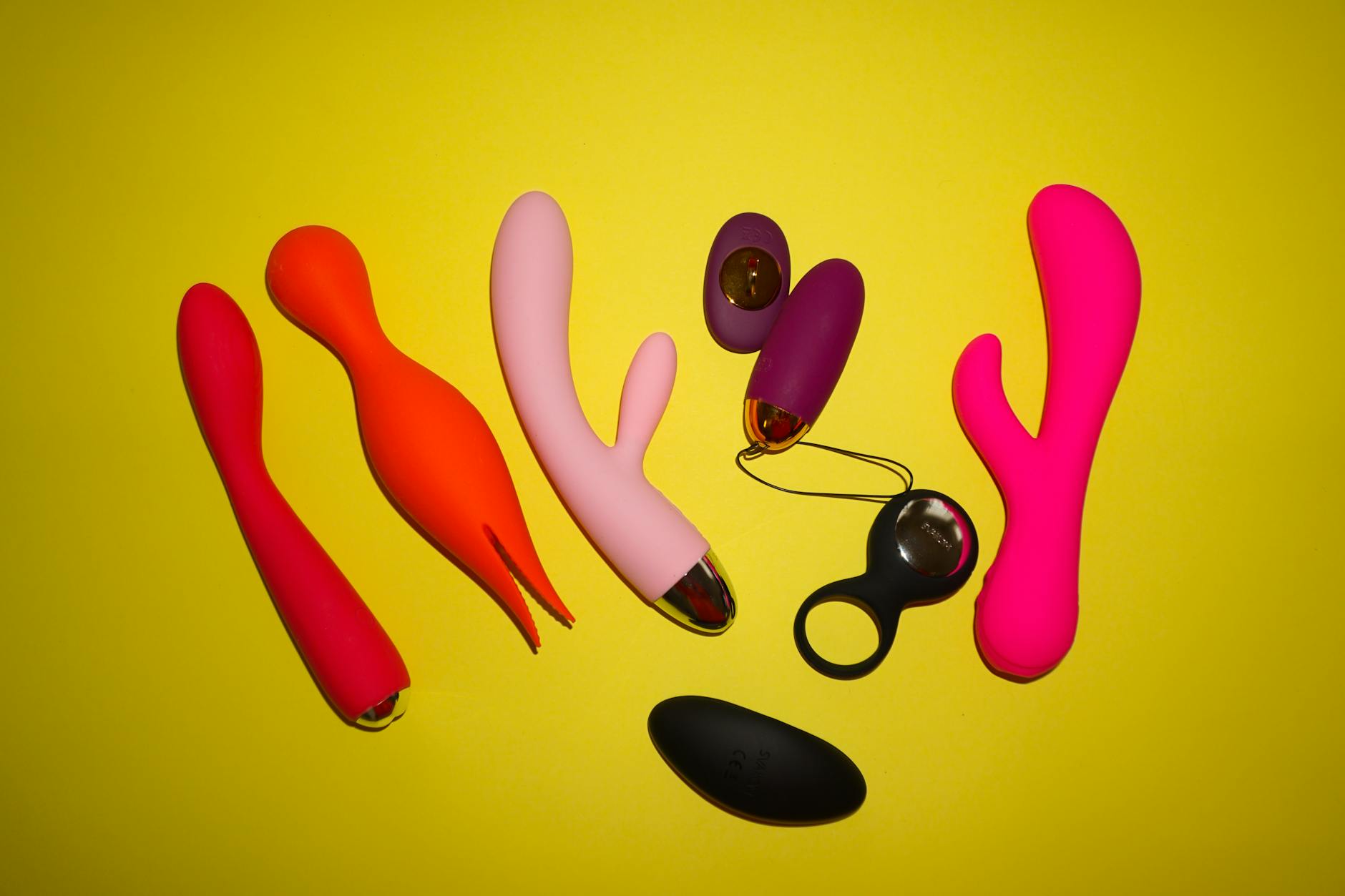
Lemon clitoral vibrators address all three because they work with your brain's current state, not against it.
Why lemon vibrators are gentler for depression recovery
There are other vibrators. Why lemon vibrators specifically?
Air-suction design stimulates without friction. When sensation is dulled by depression, the gentle suction of a lemon vibrator triggers nerve response more effectively than traditional vibration. You feel more with less intensity. This matters because your nervous system is already sensitive.
You control the pace and intensity entirely. With a partner, there's negotiation, vulnerability, pressure to perform or respond. With a lemon vibrator, you set the rhythm. You stop when you want. You restart without explaining. That agency alone helps rewire the "I have to" into "I want to."
No performance required. Many people coming out of depression feel anxious about orgasm. Will it happen? Should it happen faster? With a lemon clitoral vibrator used alone, those narratives quiet down. You're exploring sensation, not chasing an outcome.
Dopamine rebuilding is real. Gentle, successful pleasure experiences rebuild dopamine pathways. It doesn't have to be intense. A quiet 10-minute session with a lemon vibrator that ends in mild pleasure is neurologically more useful than forcing partnered sex that leaves you feeling empty.
A practical protocol for rebuilding desire
I recommend a four-week gentle reintroduction:
Week 1: Sensation exploration only. Use a lemon vibrator for 10 minutes at lowest intensity. No goal of orgasm. Just notice sensation. Which settings feel good? Which feel too intense? Write it down. Your nervous system is learning to feel again.
Week 2: Extend the time, introduce patterns. Increase to 15 minutes. Try different patterns on the Lem vibrator if you're using one. Slow builds, pulses, peaks. Still no pressure toward orgasm. Some sessions will feel better than others. That's normal. Depression makes pleasure inconsistent.
Week 3: Add arousal building. Spend 5 minutes with thoughts, fantasy, or external input (porn, erotica, your imagination). Then introduce the lemon vibrator. Notice how arousal changes sensation. Most people report that pleasure deepens when they're mentally engaged alongside physical stimulation.
Week 4: Integrate and reflect. You've likely had sessions where pleasure was clear and sessions where it was subtle. Both count. Your body is waking up. If you're ready, you might explore partnered use. If not, continue building solo practice. There's no deadline.
The point isn't speed. It's consistency and self-compassion.
How to talk to your partner during this time
If you're partnered, depression and low libido become a relationship issue. Your partner might feel rejected. You might feel guilty or pressured. Both are valid.
Here's what I tell couples: separate the conversations.
One conversation is about your recovery: "I'm rebuilding pleasure right now. It's not about you. I need space to explore sensation alone first."
A different conversation is about the relationship: "I miss closeness with you. Let's find ways to connect that aren't about sex right now."
These aren't the same conversation. Conflating them creates resentment on both sides. If your partner can understand that you using a lemon vibrator alone is part of rebuilding capacity for partnered pleasure, not a replacement for it, they can become an ally instead of an audience.
Many partners feel relieved to know you're taking action instead of just avoiding sex.
When to seek professional support alongside this
If you're in active depression treatment, great. Lemon vibrators work alongside therapy and medication, not instead of them. Some antidepressants reduce libido as a side effect. This is worth discussing with your prescriber. There are options.
If you're not in treatment and you're experiencing persistent low libido alongside sadness, fatigue, or loss of interest in things you usually enjoy, please see a doctor or therapist. Lemon vibrators are tools. They're not treatment.
If you've been using lemon vibrators consistently for four weeks and sensation still feels completely numb, that's clinical information worth sharing with your provider. It might mean your current medication isn't right, or your depression needs a different approach.
The relationship between pleasure and healing
Recovering from depression means rebuilding your capacity for pleasure. Not just sexual pleasure. All pleasure. Food, music, movement, touch, rest. Sexual pleasure is one thread in that larger rewiring.
Using a lemon vibrator during depression recovery isn't selfish or indulgent. It's neurological medicine delivered on your own terms. You're telling your brain: "Pleasure is safe. Sensation is possible. Your body deserves attention."
That's not frivolous. It's essential.
FAQ: Low libido, depression, and pleasure recovery
Q: Is it normal for depression to kill all sexual desire, even in a happy relationship? A: Completely normal. Depression affects neurotransmitters that regulate desire independent of relationship quality. Your partner might be wonderful and you still feel nothing. This shifts once treatment takes effect and you rebuild pleasure pathways.
Q: Will using a lemon vibrator alone affect my partnered sex? A: Likely in positive ways. Solo pleasure practice helps you understand what feels good, which you can then communicate to a partner. It also reduces performance pressure during partnered sex because you're no longer carrying the weight of "proving" you still have desire.
Q: How long until my libido comes back after depression? A: It varies. If you're on medication, sometimes 4-12 weeks after starting the right dose. If you're in therapy, pleasure rebuilds gradually as mood stabilizes. Using lemon vibrators accelerates this because you're actively rewiring pleasure pathways instead of waiting passively.
Q: Should I use lemon vibrators even if I don't feel aroused at all? A: Yes. Arousal often follows sensation rather than preceding it. With depression, you can't always think your way into desire. But you can explore sensation physically, which sometimes wakes arousal up.
Q: Is it okay to tell my partner I'm using a lemon vibrator to rebuild desire? A: That's your choice. Some partners appreciate knowing. Others feel hurt initially but recognize it as you taking action. Some people keep it private and that's valid too. If your partner asks, honesty usually builds trust more than secrecy.
Q: What if I use a lemon vibrator regularly but still feel numb? A: That's clinical information. It might mean your depression treatment needs adjustment, your medication dose is off, or you're experiencing anhedonia that's more severe. Talk to your doctor. Vibrators are tools. If nothing is working, your treatment plan might need to shift.
Healing takes time. Pleasure is part of it.
Depression convinces you that numbness is permanent. That you'll never feel interested in sex again. That something is broken. These are lies depression tells. But they feel true while you're in it.
Using a lemon clitoral vibrator during recovery isn't about becoming some version of your pre-depression self. It's about building a new relationship with pleasure. Gentler. More intentional. Kinder.
Your body deserves that attention. Even when depression says it doesn't. Especially then.