Let's talk about the thing nobody addresses
Postpartum bodies are not broken. They're recovering. There's a difference, and that distinction changes everything about how you approach pleasure during this season.
Most of what you hear about sex after birth falls into two categories: don't do it yet (too clinical), or do whatever feels right (too vague). Both miss the actual question, which is this: when and how can I safely reintroduce pleasure, especially with tools like lemon vibrators that I loved before?
The medical timeline is just the starting point
Your OB or midwife probably gave you a six-week clearance. That number is real, but it's also incomplete. Six weeks is when most tissue healing has reached a point where penetration is medically safer. But clearance to have sex and readiness to enjoy pleasure are different conversations.
Here's what's actually happening in your body during those weeks:
Weeks 1-2: Your uterus is shrinking, bleeding is heavy, and your pelvic floor is exhausted from birth. This is not the time. Your nervous system is in survival mode.
Weeks 3-4: Bleeding tapers, some energy returns, but your pelvic floor is still very tender. Many people report surprising emotional vulnerability during this window.
Weeks 5-6: Tissue healing is solid enough for gentle touch and external stimulation. Your emotional readiness matters more than your clearance letter.
Weeks 7-12: By this point, if you feel ready and there's no pain, your pelvic floor has usually recovered enough for more direct stimulation.
The key word is "usually." Every birth is different. C-section recovery follows a slightly different timeline because the surgery itself adds abdominal healing time. Tearing, whether mild or severe, changes the equation. So does infection, blood loss, or exhaustion from insomnia and cluster feeding.
Why lemon vibrators specifically make sense postpartum
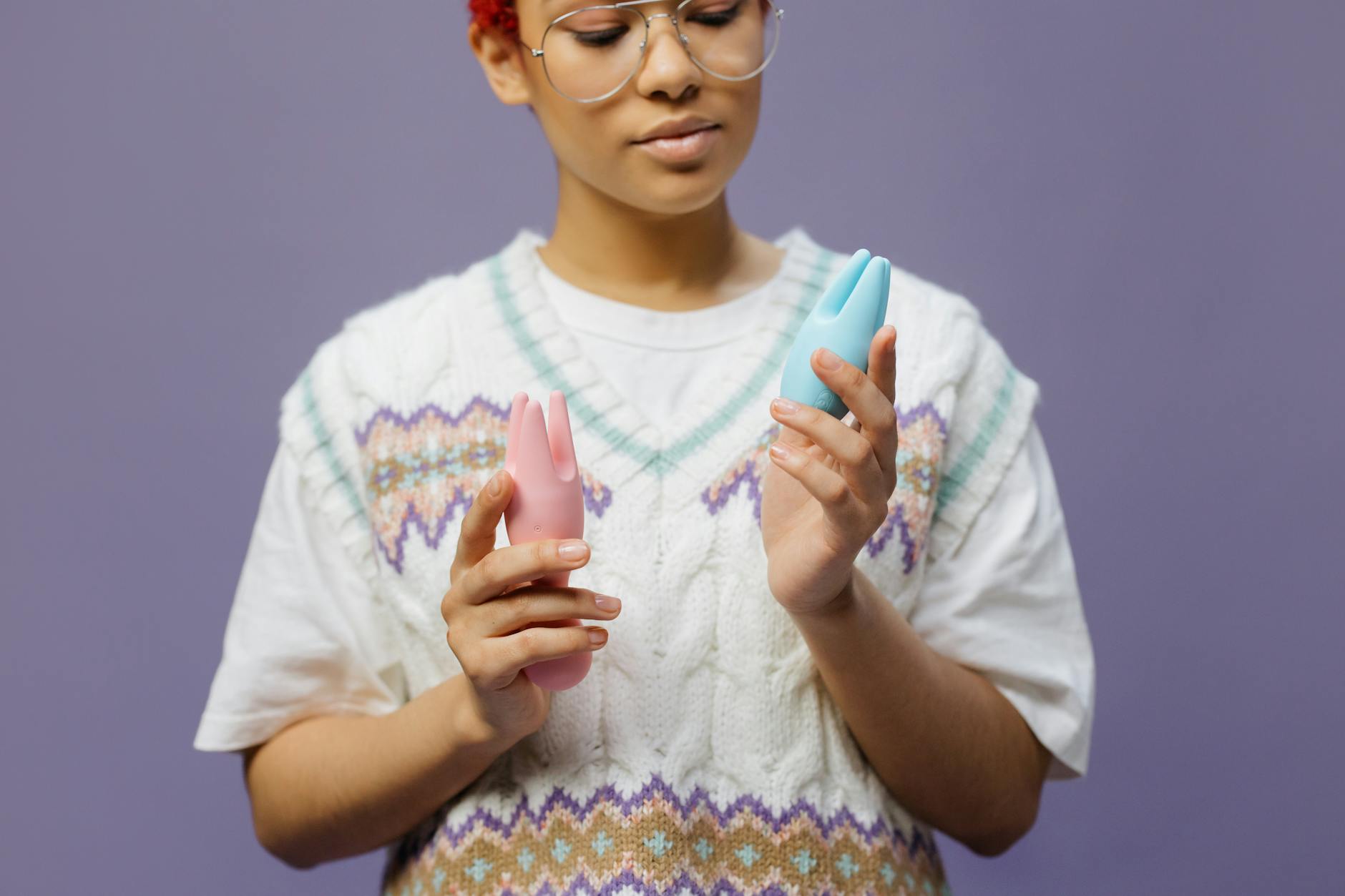
If you used a lemon clitoral vibrator before birth, you might be wondering if you can go back to it. The short answer is yes. The longer answer is that suction-based stimulation like the Lem actually has some real advantages postpartum.
Traditional vibrators work through direct friction and pressure. After birth, your external tissue is sensitive in ways that make friction feel raw, even when you're physically healed. Suction, by contrast, stimulates the clitoral nerve without the same grinding sensation. It feels gentler while still being highly effective.
That said, timing matters. Using a lemon vibrator at week four is different from week twelve, and knowing the difference prevents frustration and potential pain.
The actual return-to-pleasure roadmap
I'm going to walk you through what I typically recommend to clients based on their recovery trajectory.
Weeks 5-6: External touch only, no tools. If you have a partner, this is about rebuilding skin-to-skin contact without agenda. Hands, fingers, gentle caressing. No vibrators yet. If you're solo, self-touch in this window is fine, but keep it light and stop if anything feels tender.
Weeks 7-9: Light clitoral stimulation with a lemon vibrator on the lowest setting. This is where you can reintroduce your Lem if you had one before. Start on pattern 1, use it for no more than 5 minutes, and watch for any irritation or pain afterward. If you feel sore or tender the next day, wait another week before trying again.
Weeks 10-12: Gradual intensity increase. Once pattern 1 feels fine, move to pattern 2 or 3. Your body will tell you if you're ready. The goal is not to recreate pre-pregnancy pleasure yet. It's to rebuild the neural pathway and remember what your body can do.
After 12 weeks: You can usually return to your normal routine. But "normal" might feel different. Many people find their sensitivity has changed, their orgasm response is softer or more concentrated, or they need different kinds of stimulation. That's not a problem. That's your body telling you what it needs now.
What actually stops you: pain versus discomfort
This distinction matters because one of them means stop, and the other means slow down.
Discomfort is a pressure sensation or mild tenderness. It's uncomfortable but not sharp. If you feel discomfort during stimulation, turn off the vibrator, rest, and try again tomorrow at a lower intensity.
Pain is sharp, burning, or throbbing. If you feel pain, stop immediately and wait at least a week before trying again. If pain happens twice, call your doctor.
The lemon vibrator, because it's a suction device and not a penetrative tool, typically causes fewer pain issues postpartum than other methods. But every person's healing is different.
The pelvic floor piece everyone forgets
Your pelvic floor did massive work during birth. Even if you didn't tear, even if you had a C-section, the pelvic floor needs attention during recovery.
Here's what helps: relaxation as much as strengthening. Many people think they need to do Kegels immediately postpartum, but actually, your pelvic floor is already fatigued. What it needs first is permission to rest.
When you use a lemon clitoral vibrator, pay attention to whether you're gripping or relaxing. If you notice your pelvic floor clenching during stimulation, pause and try to soften it. This is actually great pelvic floor retraining because you're learning the difference between contraction and relaxation under pleasure.
A physical therapist specializing in pelvic health can be invaluable here. If you have pain with stimulation, heaviness, or incontinence at 12 weeks postpartum, pelvic floor PT can often solve it in 6-8 sessions.
The emotional and relational layer
Postpartum sexuality is not just physical. Your brain is flooded with hormones that prioritize bonding and threat detection. Your body might feel foreign. Your energy is somewhere in the negative numbers.
If you have a partner, this is the time to have an explicit conversation about pleasure recovery. Not a seductive conversation. A practical one. "My doctor cleared sex at six weeks, but I don't think I'll be ready for a while. I want to explore solo pleasure first, and I might need the house to myself for that."
If you're solo, give yourself permission not to want this yet. Postpartum libido often doesn't return until three to four months in, and sometimes later if you're breastfeeding. That's not a problem. That's biology.
There's no timeline you should be on. There's only your body, your recovery, and what brings you genuine pleasure right now.
When to get professional support
If you experience pain with any kind of stimulation at four months postpartum, see a pelvic floor physical therapist. If you had severe tearing or a complicated birth, even if you're not in pain, a PT session or two is preventative and often covered by insurance.
If your libido hasn't returned by six months and you're not breastfeeding, talk to your OB about postpartum depression screening. Low desire can be a symptom, and it's treatable.
If you're using a lemon vibrator and you feel sharp pain, stop and check with your doctor before continuing.
The postpartum pleasure is worth the patience
Many people tell me that returning to pleasure after birth, when they finally do, feels different and deeper. You know your body better. You know what survival feels like. You've rebuilt trust with yourself. When pleasure returns, it arrives with actual gratitude.
Your lemon vibrator is still waiting. Your clitoris is still there. Your capacity for orgasm hasn't gone anywhere. Recovery just means you're taking the long view, and that's not just medically smart. It's also how you rebuild pleasure that lasts.