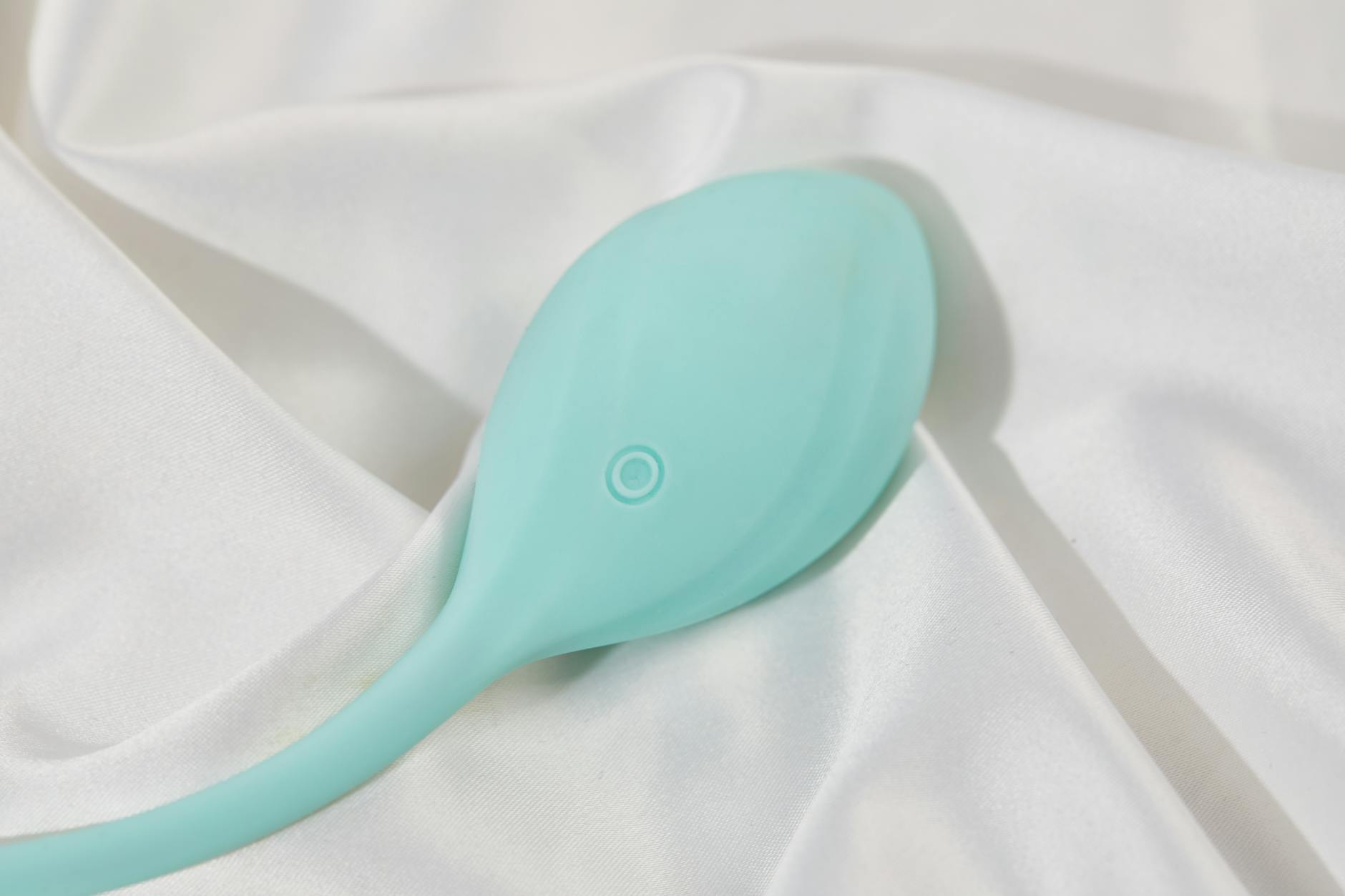
The numbing trap is real
You've probably noticed it. After weeks or months of regular use, your lemon clitoral vibrator stops hitting the same way. The sensation that once felt sharp and electric becomes muted. You find yourself turning the intensity up, holding it longer, using it more frequently. That's not a sign you need a new toy. That's your nervous system adapting to consistent stimulation. And you can absolutely interrupt that pattern.
This is called sensory adaptation. Your nerve endings get used to the same signal, so they stop responding as intensely. It's the same reason you stop noticing a smell after ten minutes in a room or why a loud noise becomes background after a while. Your body is designed to filter out redundancy. Unfortunately, that efficiency works against sustained pleasure if you're not strategic about how you use your lemon vibrator.
Here's the good news: sensory adaptation is reversible. You don't need to abandon your lemon sexual toys. You need to use them differently.
Strategic breaks actually work
The most effective way to restore sensitivity is to pause. Not forever. Just intentionally.
I recommend a rhythm like this: use your lemon vibrator 3-4 times a week for two weeks, then take a full week off. That week away gives your nerve endings a chance to reset. When you come back, you'll feel like you're using it for the first time again. The sensation will be sharper, the response quicker.
If three-week blocks feel impossible given your life, even a 3-5 day break every 10 days works. The point is consistency in the break, not the duration. Your nervous system responds to patterns. Once it knows that periods of stimulation will be followed by rest, it stops desensitizing as aggressively.
Many people resist this because the fear is always there: if I stop, will I lose the habit? Will my partner notice? Will I be starting from scratch? The answer to all three is no. Pleasure doesn't work like fitness. You can't "lose it." And the intensity when you return is usually worth the brief pause.
Rotation beats repetition every time
Most people have one favorite pattern on their lemon vibrator and use it every single time. That's the fastest path to numbness.
Instead, commit to rotating through every intensity setting and pattern your device offers. If your lemon clitoral vibrator has five patterns, spend a week focusing on pattern three, then switch to pattern one the next time. Try different pressures, different angles, different rhythms. The novelty itself resets some of that adaptation.
Think of it like this: if you eat the same meal every day, it gets boring and your palate deadens to the flavors. But if you rotate through five different meals, each one stays interesting. Your nervous system is the same way.
For lemon vibrators specifically, this matters because suction-based stimulation already feels different from friction-based toys. But within that category, there's still plenty of variation to explore. Lower intensities, longer durations, intermittent patterns (pattern, pause, pattern). Give your nerve endings something different to respond to.
Attention and presence matter more than you think
Here's something that sounds obvious but changes everything: your mind is part of the nervous system.
If you're using your lemon adult toy while distracted (scrolling, listening to a podcast, thinking about your work email), your brain isn't registering the sensation as sharply. You're dividing your attention, which means your sensory cortex isn't fully engaged. The pleasure feels muted not because your body can't feel it, but because your brain isn't processing it fully.
The reverse is also true. When you show up with real attention, the sensation intensifies. Close your eyes. Eliminate notifications. Spend 5-10 minutes simply noticing what you feel before you even use the toy. Notice your breathing, your skin, your edges.
Then when you use your lemon clitoral vibrator, you're not chasing the orgasm. You're exploring the sensations. That shift alone often restores intensity that felt lost. Your lemon sucker is delivering the same stimulus, but your brain is receiving it more completely.
Temperature and texture variations reset everything
Your nervous system lives for contrast. Same texture, same temperature, same sensation over time equals adaptation. Different texture? Reset.
Try this: warm your lemon vibrator in your hands for a minute before use. Or run it under cool water. The temperature change alone adds a new sensory layer. Use it on different parts of your vulva. The outer labia, the inner labia, the clitoral glans, the hood. Each zone has slightly different nerve density and responds differently to the same vibration.
Some people also find that using a lubricant changes the sensation completely. Water-based lube creates a slick surface that feels different than direct contact with skin. It's not better or worse, just different. And that difference is enough to break through adaptation.
Combine, don't replace
One mistake people make is thinking that once they've found their perfect technique with a lemon vibrator, they should use only that. Instead, combine.
Use your lemon clitoral vibrator with a partner's fingers. Use it during partnered sex. Use it with different fantasies or content. Use it in different positions or environments. Each combination creates a new signal your nervous system has to respond to. You're not using more stimulation. You're using different stimulation.
This is also where exploring how to use a lemon vibrator with a partner becomes relevant. The mental component of shared pleasure, the unpredictability of another person's touch, the coordination required. All of it resets adaptation. You're engaging your brain and nervous system in ways that solo use alone can't replicate.
Listen to pain and numbness signals
There's a difference between diminished sensation (which is adaptation) and actual pain or raw skin (which is overuse).
If you're experiencing tenderness, redness, or pain during or after use, that's not adaptation. That's inflammation. Stop using your lemon vibrator for 3-5 days. Apply cool compresses. If it persists, check with a doctor. Sensory adaptation is about pleasure intensity. Actual tissue damage is something else entirely.
Numbness that comes back within days or a week of rest is adaptation. Numbness that lingers for weeks or feels permanent could indicate nerve irritation, which is rare but worth taking seriously.
The novelty reset is underrated
Sometimes the fastest way to restore sensation is to shift what you're using.
If you've been relying exclusively on a specific lemon vibrator, trying a different toy entirely can reset your nervous system. The lemon clitoral vibrator might use suction. An Uno uses direct vibration. A wand uses broad, rumbly oscillation. They're not interchangeable, but they work different nerve pathways. Using something different for two weeks, then returning to your lemon sexual toy, often makes that toy feel new again.
You don't need five toys. But rotating between two or three occasionally can extend the intensity of each one indefinitely.
Building sustainable pleasure
The goal isn't to use your lemon vibrator constantly. It's to use it sustainably, in ways that keep sensation sharp and pleasure deep.
That means respecting your nervous system's need for novelty and rest. It means showing up with attention instead of just turning it on. It means rotating patterns, varying pressure, changing context. These aren't workarounds. They're how pleasure actually works long-term.
Your lemon sucker is designed to deliver intense sensation. Your job is to use it in ways that keep your nerve endings responsive to that intensity. That's the whole game.
People also ask
Can I permanently damage my nerve endings by using a lemon vibrator too much?
No, not permanently. Your nerve endings are remarkably resilient. Adaptation is reversible with rest and variation. The only way to cause actual, lasting nerve damage is through sustained mechanical injury (friction, pressure, heat) over weeks or months. Normal vibrator use, even frequent use, doesn't do that. What feels like permanent numbness is usually adaptation, which resets within days or a few weeks of changing your pattern.
How long does it take to restore sensation after experiencing numbness?
It depends on how deep the adaptation was. A full week off usually restores sensation noticeably within 3-5 days of resuming use. If you've been using the same pattern constantly for months, you might need two weeks of strategic breaks and rotation before sensation feels truly restored. Everyone's nervous system is different, but most people see results within 14 days of changing their approach.
Is it better to use a lemon vibrator on lower intensity more often, or high intensity less often?
Lower intensity used with breaks and variation beats high intensity used constantly. The intensity setting is less important than the pattern of use. If you're using pattern one at 40% intensity four times a week with rotating patterns, your nerve endings will stay responsive longer than if you use the maximum intensity twice a week on the same setting. Variation matters more than the absolute power level.
Does masturbation with a lemon vibrator different than solo use cause less numbness?
Yes, partnered use generally causes less adaptation because there are more variables. A partner's unpredictability, touch, timing, and communication introduce sensory novelty that solo use with a consistent toy doesn't. That doesn't mean solo use is bad. It just means combining them, or regularly involving a partner, helps sustain sensation. The novelty component resets adaptation more effectively than any single technique.
What's the difference between sensory adaptation and actual nerve damage from vibrators?
Adaptation is your nervous system's normal response to repeated stimulation. It's reversible, happens over weeks, and resets with rest and variation. Nerve damage is rare and involves persistent numbness that doesn't improve with breaks, pain during or after use that gets worse over time, or loss of sensation that lasts weeks despite changing your approach. If you suspect nerve damage (not adaptation), see a doctor. If you're experiencing adaptation, changing your technique almost always fixes it.
Can I use my lemon vibrator less frequently but for longer sessions to avoid numbness?
Not exactly. The issue isn't frequency or session length. It's repetition of the same stimulus. A 30-minute session using the same pattern will cause adaptation faster than three 5-minute sessions using different patterns. Quality and novelty matter more than duration. Shorter sessions with variation are generally better for long-term sensation than longer sessions on repeat.
What to do next
If you're experiencing numbness or diminished sensation with your lemon vibrators, start this week: take a three-day break, then return with pattern rotation. Use different intensities in sequence. Slow down and focus on what you actually feel instead of chasing the big finish. You'll probably notice a difference within days.
Questions about technique or sensation? Reach out to Hello Nancy. We're here to help you get the most from your pleasure.