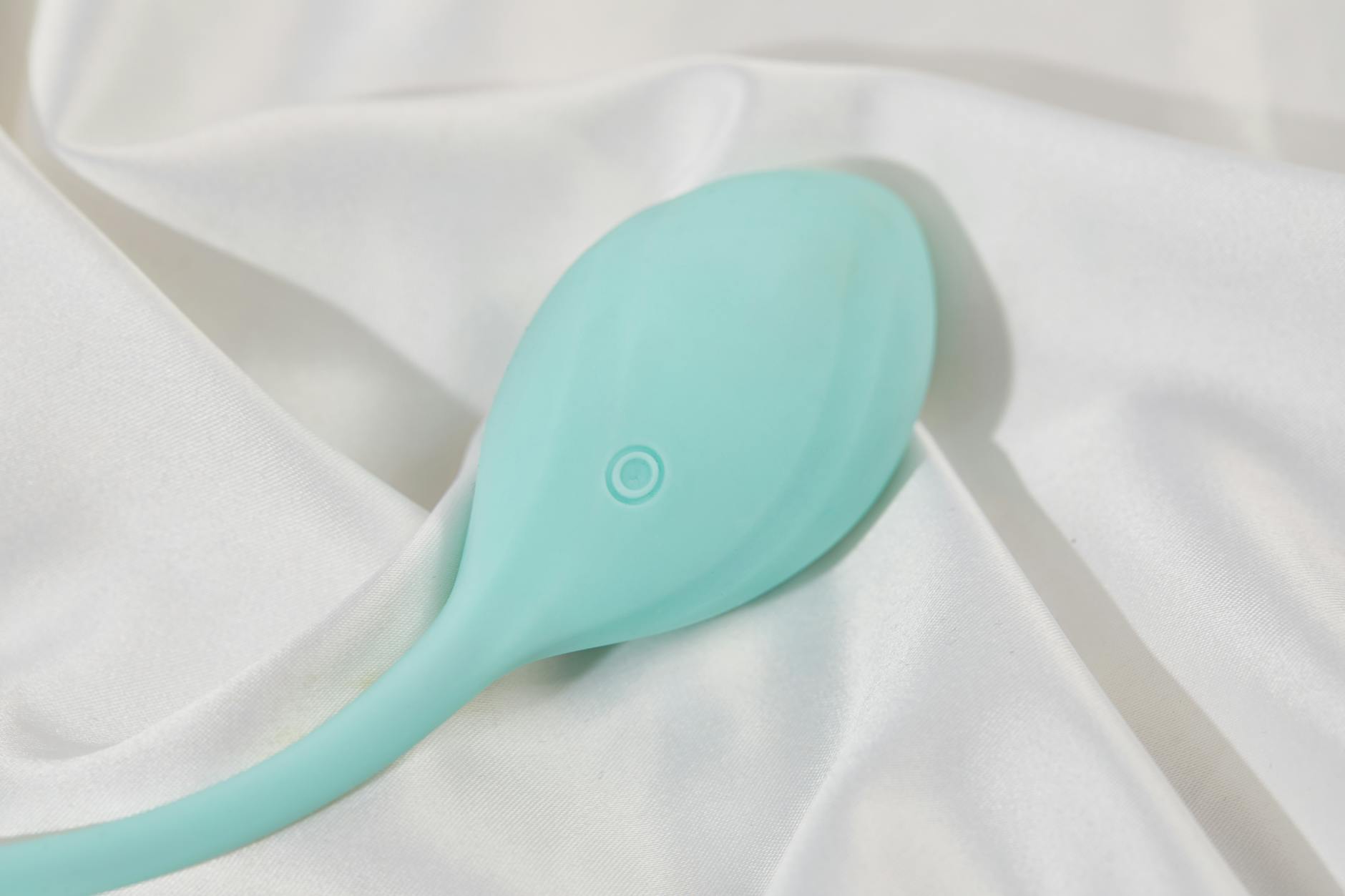
How to Use a Lemon Vibrator When Your Libido Drops or Desire Feels Mismatched
Let's be real: low libido feels like a personal failure. It's not. It's usually your nervous system sending a signal that something else needs attention first.
Desire doesn't vanish because your body broke. It disappears when you're stressed, when your relationship has gone quiet, when you're burned out, or when you've spent years managing someone else's needs instead of your own. A lemon vibrator can't fix those root causes, but it can create the space where reconnection becomes possible again.
Why desire goes missing (and it's not what you think)
I work with couples where one partner's libido has tanked, and I can count on one hand the times it was actually a medical issue. Most of the time, desire drops because:
Emotional disconnection builds slowly. You stop having conversations that matter. You operate as logistics coordinators rather than partners. Touch becomes task-oriented. The brain registers this as "not safe for vulnerability," and libido follows.
Resentment is a libido killer. If you've been the planner, the emotional manager, the one who remembers everyone's needs, desire often disappears first. It's your body's way of saying "I can't keep giving."
Stress rewires your arousal system. Chronic stress, work pressure, or life transitions don't just make you tired. They shift your nervous system into survival mode, where pleasure feels frivolous or impossible.
You've lost touch with your own pleasure. This happens quietly. Sex becomes about finishing, about meeting expectations, about being "good at it." You stop knowing what actually feels good to you alone.
A lemon vibrator works in this context because it doesn't require you to be "in the mood." It bypasses the mental negotiations and reconnects you directly to sensation.
Start with solo exploration, not obligation
If desire has gone missing, the worst thing you can do is pressure yourself back into partnered sex. You'll just build more resentment.
Instead, use a lemon clitoral vibrator alone, without any goal except curiosity. Not to have an orgasm. Not to "fix" yourself. Just to remember what pleasure feels like.
Set a timer for 10 minutes. No phone, no other tabs open. Use lube. Turn the lemon vibrator on the lowest setting and treat it like an exploration, not a performance. Some days you'll feel nothing. Some days you'll be surprised. Both are information.
This isn't selfish. This is essential. Your brain needs to remember that pleasure exists and that you deserve it, separate from anyone else's experience.
Understand why the lemon sucker works when motivation is low
A lemon vibrator's suction mechanism is gentler than direct vibration. It doesn't require you to be already aroused to feel something.
When libido is low, direct contact can feel overwhelming or clinical. Suction creates sensation without the pressure. You can feel the effect without needing to be "ready." This matters because low-desire people often shame themselves for not being ready enough, not wet enough, not responsive enough. A lemon adult toy meets you where you actually are.
Start at the lowest pulse setting. Even if you feel nothing the first few times, your nervous system is learning that touch can be about rest and reconnection, not performance. That's the actual work.
The conversation you need to have (before anything else)
If you're partnered, your partner needs to hear this: "My libido has dropped, and I'm working on reconnecting with my own pleasure first. That's not about you. I need some space to explore without pressure."
This conversation prevents resentment from doubling. Your partner gets clarity. You get permission. And you remove the undertone of obligation that's probably been dampening desire in the first place.
If your partner pushes back or makes it about them, that's a separate (and important) problem. That conversation belongs with a therapist, not in the bedroom.
Layer it in when (if) you're ready for partnered touch
Once you've had a few weeks of solo reconnection with a lemon vibrator, you might notice something shifting. Not a dramatic return of desire. Just a loosening. A sense that pleasure is possible again.
Only then bring it into partnered sex, and only if you want to. You might say: "I'd like to use the lemon vibrator while we're together. It helps me feel connected to pleasure, and I want that experience to include you."
This is not about him or her using it on you. This is about them witnessing your pleasure, which is neurologically and emotionally different. You're saying "I trust you to see me in this." That rebuilds the intimacy that probably eroded in the first place.
The timeline nobody talks about
Desire doesn't return on a schedule. You might reconnect to pleasure in two weeks. You might take two months. Some people need a relationship conversation or a therapy session to move forward at all.
What matters is that you're not white-knuckling it or performing. You're genuinely exploring. A lemon clitoral vibrator is a tool for that exploration, not a cure.
When low libido points to something bigger
If you're using a lemon vibrator regularly, feeling sensation, but still have zero desire to be touched by or intimate with your partner, that's information. It might mean:
You need to end the relationship. Some desire doesn't return because some part of you knows it shouldn't.
You need therapy. Low libido paired with depression, anxiety, or past trauma needs professional support, not a sex toy.
You have a hormonal issue that deserves medical attention. If you're on antidepressants, birth control, or dealing with thyroid issues, those absolutely affect arousal.
A lemon vibrator can help you reconnect to pleasure as a baseline. But it's not a diagnostic tool. Use it as part of the larger conversation about what you actually want, not as evidence that you're broken.
The quiet permission piece
Here's what I notice in my practice: when people give themselves permission to explore pleasure independently, everything else shifts. Not because the lemon vibrator is magic, but because choosing yourself, even in small ways, changes how you show up everywhere.
You stop people-pleasing as hard. You speak up more. You set boundaries. Your nervous system relaxes because you're not in constant caretaking mode.
Desire often returns as a side effect of that.
FAQ: Low Libido and Lemon Vibrators
Can a lemon vibrator fix my low libido if it's depression-related?
No. Depression requires treatment. A lemon clitoral vibrator might help you maintain connection to pleasure while you're addressing the underlying issue, but it's not a replacement for therapy or medication. Use it as part of a larger plan, not the whole plan.
What if I use the lemon vibrator and feel absolutely nothing?
That's not a failure. You might be dissociated, you might need more time, or you might benefit from deeper support. Try a few more sessions at different times of day. If nothing shifts after a month, that's useful information that points to something bigger than just being "out of the mood."
Should I tell my partner I'm using a lemon sexual toy to reconnect to desire?
That depends on your relationship's transparency around masturbation and pleasure. Some couples share everything. Some keep it private. Neither is wrong. What matters is that you're not hiding it because of shame. If you're hiding it because you don't feel safe, that's the real conversation that needs to happen.
How often should I use the lem vibrator if my libido is low?
Start with 2-3 times per week. This isn't about frequency. It's about consistency enough that your nervous system registers this as a safe, regular practice. Once you reconnect, you can dial it up or down based on what feels right.
Can low libido come back suddenly?
Sometimes. Usually it returns gradually, and usually only after you've addressed the root cause (the resentment, the disconnection, the stress). A lemon vibrator supports that process. It doesn't replace it.
What if my partner thinks I should "just get in the mood" without a vibrator?
That's a partner education issue, not a you issue. Arousal isn't a choice. Reconnection to pleasure is easier with support. If your partner resists you using tools to rebuild desire, that resistance itself is worth examining with a therapist.
The real work
Using a lemon adult toy when desire is low isn't about forcing arousal or proving you're still "sexual enough." It's about giving yourself permission to experience sensation on your own terms, without performance pressure.
From there, everything else becomes possible. Connection. Conversation. Sometimes rekindling the relationship. Sometimes recognizing it's time to leave. All of that starts with you remembering that your pleasure matters, regardless of what anyone else needs.
If you want support navigating relationship disconnection or desire mismatch, consider reaching out. These conversations are hard alone. You don't have to do it that way.
Related reads: How to Use Lemon Vibrators With Anxiety and Stay Relaxed explores nervous system work in more depth. And if desire dropped after a major life change, Why Lemon Vibrators Work Better During Transitional Life Stages might help you understand what's happening.