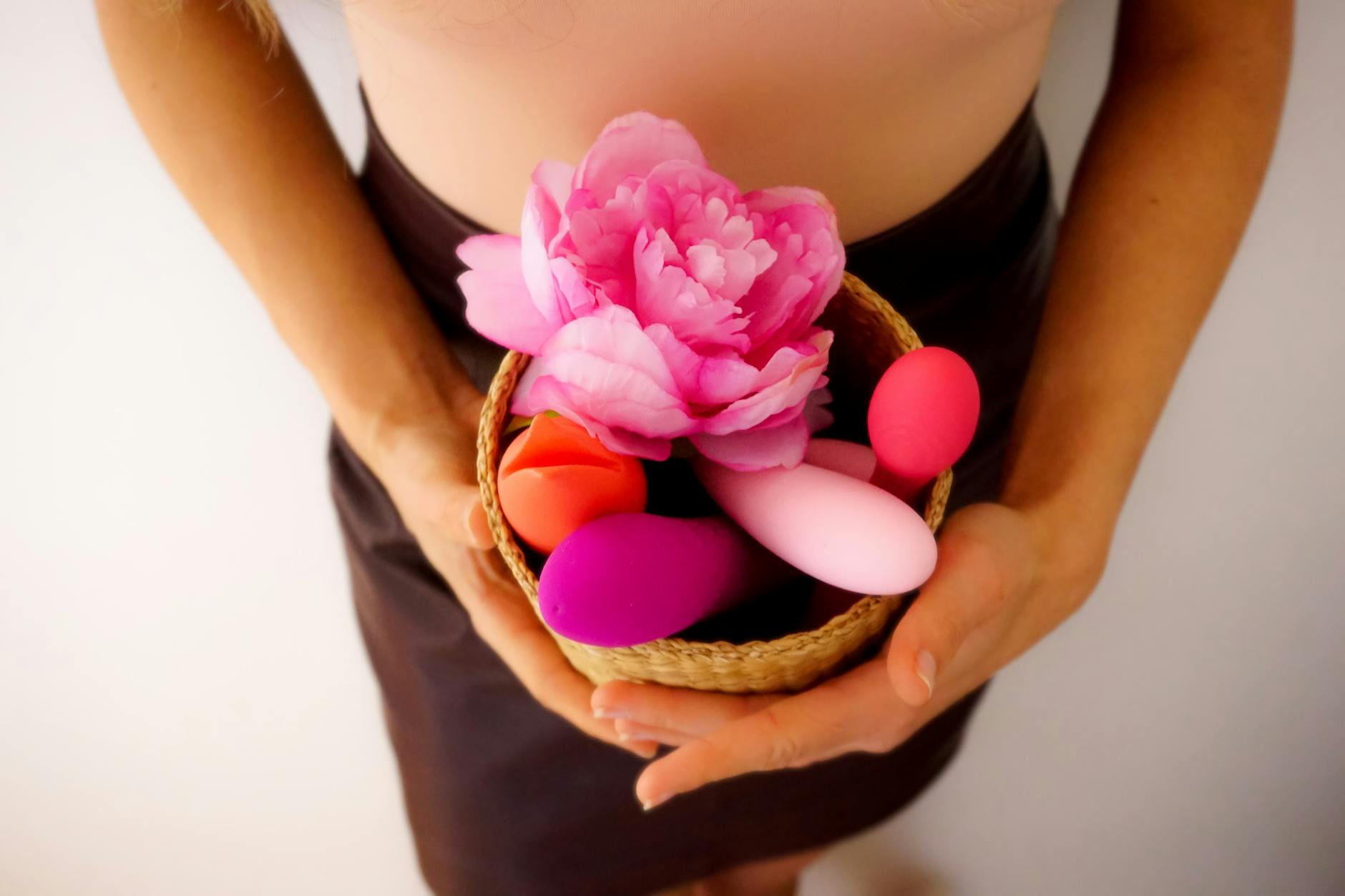
How to Use a Lemon Vibrator When Experiencing Vulva Irritation
Sensitivity doesn't have to end your pleasure. Here's exactly how to use a lemon clitoral vibrator safely when your vulva is irritated, what's causing it, and when to check in with a doctor.
Vulva irritation happens. It's not a reason to stop having pleasure, but it does change how you approach it. The trick is understanding what's actually going on so you can keep using something like a lemon vibrator without making it worse or just pushing through pain you don't have to feel.
Honestly, a lot of people assume irritation means "hands off everything" when really it means "hands on, but differently." The good news: clitoral vibrators like the Lem can actually work better during irritation because they don't require the same pressure and friction that your fingers do.
Vulva irritation isn't one thing. It's a category. The causes matter because they change how you respond.
Contact dermatitis is the most common culprit. This is an allergic or irritant reaction to something that touched your skin. Could be a new soap, a fabric softener, the lube you used last time, or even the silicone of a toy. Your vulva is highly absorbent skin, basically, so it reacts faster and stronger than other parts of your body.
Yeast infections and bacterial vaginosis feel like irritation but are actually infections. They come with discharge that smells off, itching that feels deep rather than surface-level, and sometimes a burning feeling when you pee. These need treatment, not just different touch.
Friction irritation is straightforward. Too much rubbing, too much intensity, or not enough lubrication creates raw, tender skin. This one actually improves faster once you stop the friction and let healing happen.
Hormonal shifts lower estrogen, which makes tissue thinner and more easily irritated. This happens after 40, during certain phases of your cycle, or if you're using hormonal birth control. The vulva genuinely feels more sensitive because it is more sensitive.
The difference matters. Friction irritation might improve in 24 hours if you rest it. A yeast infection needs antifungal medication. Hormonal irritation is more of a long game.
First: Is there discharge that looks or smells abnormal? Yellow, gray, or thick white discharge with a bad smell usually means infection. Step back, see a doctor, and wait for treatment. Your lemon sexual toy can wait a week.
Second: Is the irritation a deep itch or pain, or is it surface-level redness and sensitivity? Deep itching usually points to infection or hormonal irritation. Surface irritation that's tender to touch but not painful underneath is often contact dermatitis or friction. The second one is more likely to feel okay with gentle vibration.
Third: Can you touch the area gently without pain? If you can press your vulva softly and feel only sensitivity, not sharp pain, vibration might actually feel better than touch because it's rhythmic and doesn't build pressure. If there's sharp pain even with gentle pressure, wait.
If you've cleared the infection question and you know it's safe to use a lemon vibrator, here's the setup.
Lube is non-negotiable. Use it even if you don't usually. A water-based lube creates a barrier between your sensitive skin and the silicone, reducing direct contact. This alone changes everything. The Lem works great with lube anyway, so you're not fighting the toy. You're working with it.
Start on the lowest setting. The Lem has six intensity levels. If your vulva is irritated, begin on one and stay there for the whole session. The goal isn't intensity right now. It's sensation without aggravation. You might be surprised how much that first setting does when your tissue is already activated.
Use a very light touch. Don't press the Lem against your clitoris like you're trying to push it through to your spine. Rest it, let the suction do the work, and keep it loose. The air-pulse design of lemon clitoral vibrators means they don't need pressure to be effective. This is actually why they work so well when you're sensitive.
Shorten your session. Irritated skin gets more irritated with extended stimulation. Ten minutes instead of 20. See how you feel. You can always come back tomorrow.
Stop if anything hurts. Not "feels intense" or "feels strong." Actually hurts. Sharp, burning, or pinching sensations mean stop. You've gone past comfort into territory that will make it worse.
Don't use anything with fragrance. Lube with "natural essential oils," scented products, or anything labeled "fresh" or "feminine" will absolutely inflame irritated tissue. Same with numbing lubes. Yes, they feel nice in the moment, but they're hiding pain, not solving it, and you might cause damage you can't feel.
Don't use the Lem on your vulva if it's not clean first. Literally rinse with warm water. If you've got residual soap, lube from earlier, or anything else, it can layer irritation. Clean toy, clean hands, clean skin.
Don't try to "push through it." A lot of us were taught that discomfort is just the price of pleasure. For irritated vulva, that logic backfires. Your body is telling you something. Listen to it. Pleasure that requires pain isn't pleasure you should be having right now.
Don't assume it'll get better on its own if it's been more than three days. If vulva irritation persists, it's worth a call to your gynecologist. You're not bothering them. This is what they're for.
Once irritation starts improving, you don't need to jump straight back to your normal intensity. There's a middle ground.
Days one to three: Lowest setting, short sessions, heavy lube.
Days four to seven: Still lowest setting, but you can go a bit longer if it feels good. Lube is still essential.
Week two: You might move to setting two if the irritation is mostly gone. Keep lube in the picture.
Week three and beyond: You're probably back to normal.
The reason for this gradual climb is that healed skin is still fragile. It needs a few more days of gentle treatment before you ask it to handle your usual intensity. Think of it like a bruise. The purple goes away before the skin is actually ready for a hard pinch again.
If irritation lasts more than a week, gets worse instead of better, spreads beyond your vulva, or comes with fever, pain inside when you pee, or any discharge, book an appointment. You might have an infection that needs treatment. You might have a skin condition like lichen sclerosus or dermatitis that needs a topical medication. Either way, your lemon vibrator will still be there after you get it handled.
If you're on hormonal birth control and vulva irritation is constant, talk to your doctor about whether the hormone dose is right. Sometimes switching pills or trying a different method fixes it. This isn't a reason to ditch birth control. It's a reason to find the version that works for your body.
Here's something worth knowing: the suction-based design of lemon clitoral vibrators is genuinely better for irritated or sensitive vulvas than traditional vibrators. They work through gentle air-pulse stimulation rather than direct buzzing. This means less friction, less direct pressure, and more distributed sensation.
If you've been using a different style of vibrator and irritation is a pattern for you, trying the Lem or another air-pulse toy might change the game. It's not always about resting. Sometimes it's about finding a toy that works with your body instead of against it.
Sensitivity isn't a character flaw or a sign that you need less pleasure. It's a signal to adjust your approach. A lemon vibrator, used thoughtfully, lets you keep the pleasure without the irritation.
No. Wait until the infection is treated and gone. Yeast infections need antifungal medication, usually a cream or a pill. Using any toy, even a gentle one, can spread the infection or make it worse. Once you've finished treatment and symptoms are fully gone, you can use your lemon clitoral vibrator again. Give it a day or two after treatment ends just to be safe.
Yes, significantly. Lube reduces friction and creates a protective barrier between your skin and the toy. Even if you usually don't need lube, irritated vulva tissue benefits from it. Use a water-based lube. Silicone lube can trap bacteria and heat if you have an infection, so stick with water-based when you're healing.
If it's mild surface irritation from friction or contact dermatitis, 24 to 48 hours of rest, then you can try gentle use with lube and the lowest setting. If it's a yeast infection or bacterial vaginosis, wait until treatment is complete, which is usually 3 to 7 days depending on the medication. If it's hormonal irritation, you can use a lemon vibrator anytime, just with extra lube and gentleness.
Some mild sensitivity immediately after can be normal, especially if you had a longer session or higher intensity. But it should calm down within an hour or two. If sensitivity lasts longer, gets worse, or shows up days later, something's off. You might need more lube, a lower intensity, or a shorter session next time. If irritation keeps happening, check with a gynecologist.
Normal sensitivity is tingling, warmth, or a flushed feeling that calms down quickly. Actual irritation is redness that lasts, itching, burning, rawness, or pain. Irritation means your tissue is genuinely inflamed. Sensitivity is just your tissue being responsive. The distinction matters because sensitivity is fine. Irritation needs addressing.
Talk to your dermatologist or gynecologist first. Some conditions are helped by gentle sensation, others are made worse. Your doctor can tell you if a toy like the Lem is safe for your specific condition. Many people with chronic vulva conditions do use clitoral vibrators successfully. It just requires medical clearance and, usually, extra attention to lubrication and intensity.
Vulva irritation is uncomfortable and annoying. It's also usually temporary and fixable. Using a lemon vibrator during or just after irritation isn't off-limits. You just have to be thoughtful about it. Lower intensity, more lube, shorter time, gentler pressure. Your pleasure matters even when your vulva is sensitive. You don't have to choose between the two.
If you're dealing with ongoing irritation or you're unsure whether it's safe to use a toy right now, reach out to a healthcare provider or contact us at Hello Nancy if you have questions about using the Lem safely. We're here to help you figure out what works for your body.