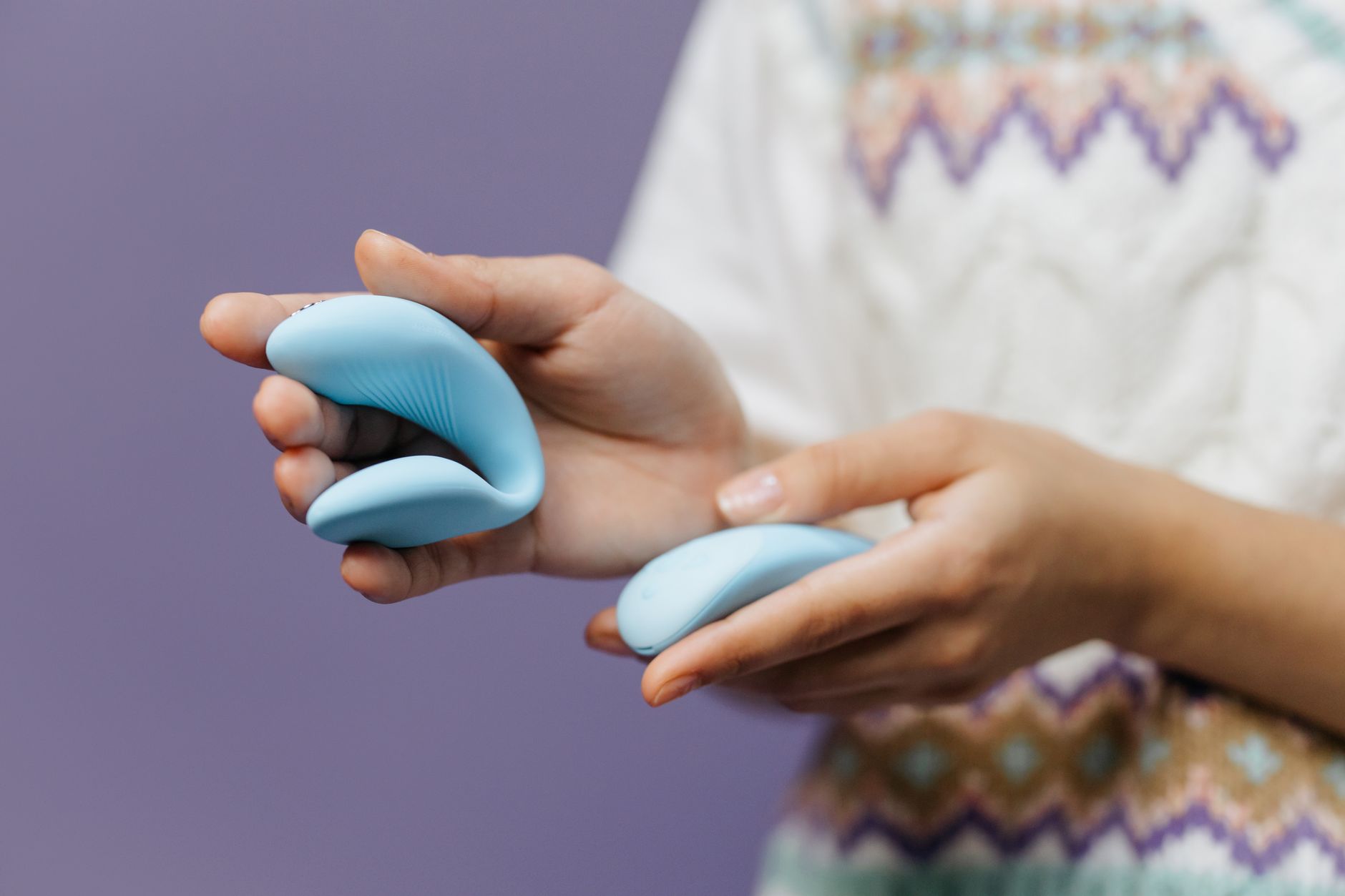
Let's name what's actually happening
Antidepressants work. They quiet the noise in your brain, lift the fog, make mornings survivable again. And yes, they often make orgasms harder to access. This isn't a side effect you imagined. It's a direct pharmacological trade-off that affects roughly 40 to 60 percent of people taking SSRIs, SNRIs, and similar medications.
The good news: it's not permanent, and it's not unfixable. It just requires a different approach than the one that worked before you started medication.
How antidepressants actually change sensation
SSRIs and SNRIs work by increasing serotonin availability in your brain. That same serotonin system dampens the genital sensations that build toward orgasm. Your clitoris isn't broken. Your nerves are still firing. The message just takes longer to land, or arrives more quietly than it used to.
Think of it like turning down the volume on a speaker. The music is still playing. You just can't hear it as clearly.
Some people experience complete numbness. Others notice that arousal takes longer to build, or that orgasms feel distant and harder to reach. Many describe the sensation as muted, like touching the clitoris through a layer of fabric.
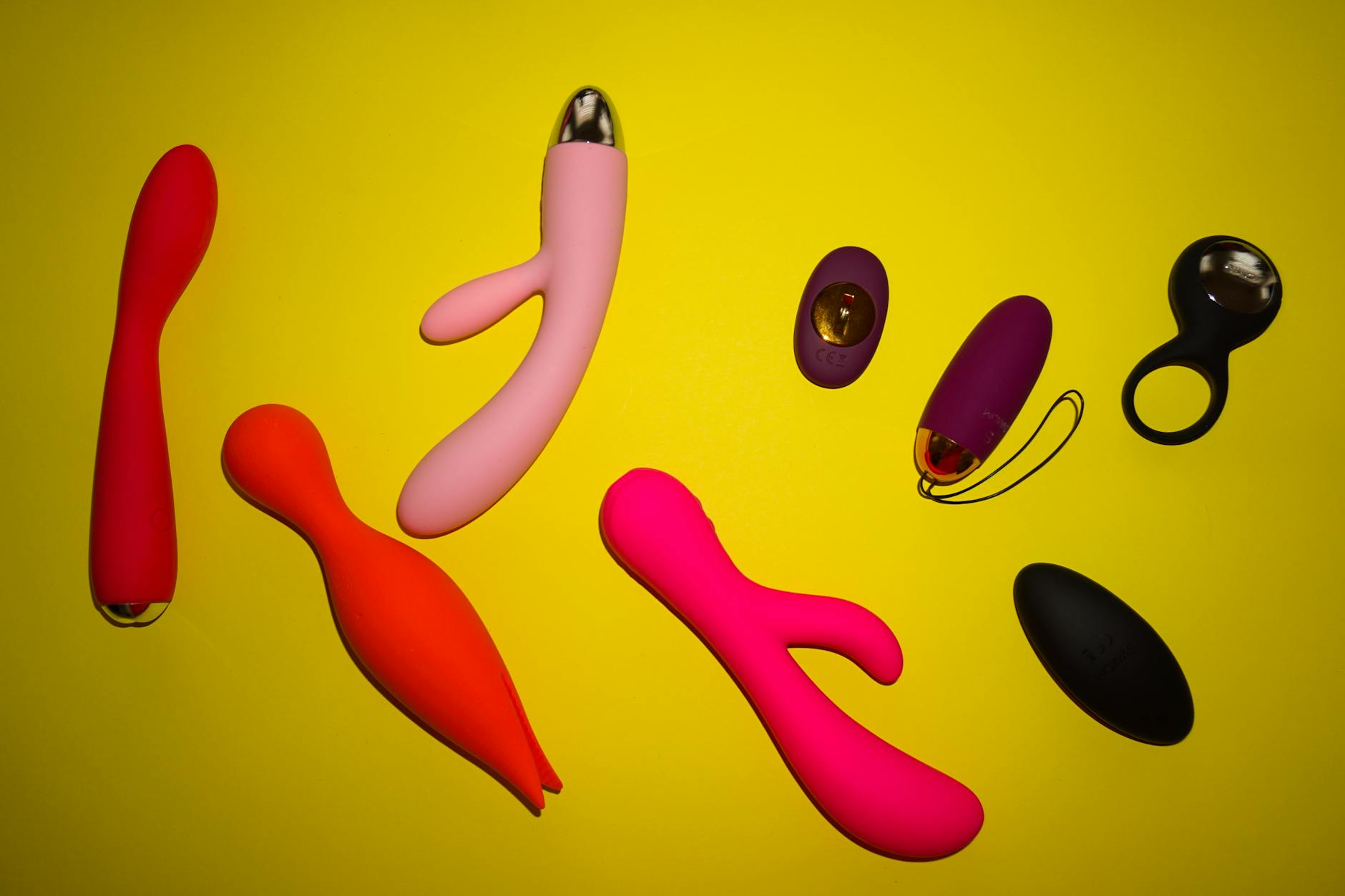
Photo by DRT.fm . on Pexels
The timeline matters too. Sometimes medication-related numbness appears within weeks. For others, it creeps in gradually over months. And here's what nobody tells you: even if you switch medications or lower your dose, your body may need weeks or months to rebuild that sensation baseline. Patience isn't optional.
Why a lemon clitoral vibrator works differently
Most vibrators rely on pure vibration intensity to cut through numbness. That works sometimes. But it often means cranking the power to maximum, which becomes uncomfortable, and your clitoris adapts to high-intensity stimulation over time, making the numbness worse.
A lemon vibrator works by creating rhythmic suction and release across the entire clitoral head, not just hammering one spot with vibration. This activates a broader network of nerve endings at once, which is exactly what your dampened system needs.
The suction creates what I call a "gentle amplification." You're not fighting through numbness with brute force. You're creating conditions where subtle sensation becomes noticeable. It's the difference between yelling to be heard in a loud room versus turning off the noise and speaking normally.
The rebuild strategy: start low and commit to rhythm
Here's what works consistently for people returning to pleasure after antidepressants.
Week one: patterns, not intensity. Use the lemon vibrator on its lowest patterns, typically settings 1 through 4. Your job isn't to chase orgasm yet. It's to let your system remember what arousal feels like. Spend 15 to 20 minutes just exploring sensation without any goal. This sounds frustratingly basic. It works because it removes the pressure that usually makes numbness worse.
Week two: extend the sessions. Keep the intensity the same. Add time instead. Your nervous system needs repetition to rewire. Budget 20 to 30 minutes. If nothing happens, that's the right outcome. You're building the foundation.
Week three and beyond: introduce variation. Now experiment with moving the vibrator slightly, changing which part of the clitoral head gets direct contact, trying different patterns. Some people find that pulsing patterns work better than steady vibration when sensation is muted. Others prefer the constant patterns.
The lemon vibrator's range of patterns gives you this flexibility without forcing you to buy multiple devices.
What changes you might feel, and what to expect
Don't expect sensation to return like flipping a light switch. Here's the actual progression most people report.
First comes tingling. Barely noticeable. You might think you're imagining it. You're not.
Then comes warmth. The clitoris feels more present in your body. Not aroused yet, just present.
Then comes awareness. You notice when the vibrator touches you. The sensation registers more quickly than it did before.
Orgasms, if they return, usually come last. And they're often different from what you remember. Smaller, less full-body, more located. That's okay. Smaller orgasms are still orgasms. They still count. And they often get stronger with time and repeated practice.
Medication changes and what to adjust
If your doctor adjusts your antidepressant dose or switches you to a different medication, your sensitivity baseline shifts. When the dose increases, numbness usually increases too. When the dose decreases or you switch to a medication with fewer sexual side effects (like bupropion or some SNRIs), sensation often returns faster.
If any of these changes happen, give yourself four to six weeks before assuming your current approach isn't working. Your system needs time to adapt.
Also: never stop antidepressants because of sexual side effects. Never. The risks of discontinuing medication without medical supervision far outweigh the benefit of regained sensation. If sexual side effects are severe, talk to your prescriber. There are real options: timing doses differently, adding medication to counteract sexual side effects, or switching to an alternative that works similarly for mood but affects sexual function less.
The partner conversation, if you have one
Let's be honest. It's harder to rebuild pleasure alone. But it's also harder to rebuild pleasure with a partner who doesn't understand what's happening.
If you have a partner, tell them this: antidepressants don't mean you don't want to be touched. They mean touch feels different, takes longer to register, and requires a different kind of attention. A lemon vibrator isn't a replacement for them. It's a tool for you and your nervous system to rebuild sensation in a controlled way, at your own pace.
Then ask them to give you space during this rebuilding phase. Not because you don't want them around. Because your nervous system is learning something, and learning happens best without the pressure of performing or satisfying someone else.
When to see a doctor, and when to be patient
If sensation hasn't improved at all after three months of consistent practice with your lemon vibrator, mention it to your prescriber. There are actual medical options worth exploring: dose adjustments, timing changes, or different medications.
But here's the thing most people miss: three months is the minimum threshold. Many people don't see meaningful improvement until six months or a year of consistent practice. Your clitoris is patient. You need to be too.
Also, depression itself suppresses sensation and desire. Even after starting medication, it can take months for mood to stabilize enough that you notice pleasure as a physical reality again. Don't confuse medication-related numbness with depression-related numbness. They're different problems.
The practical setup for consistency
You're more likely to stick with this if it's actually convenient. Keep your lemon vibrator somewhere you see it regularly. Not hidden away. On your nightstand, in your bathroom drawer, wherever you'll actually remember to use it.
Build the practice into a routine that already exists. After your shower. Before bed. During a time you usually have 20 to 30 minutes alone. The consistency matters more than the timing.
Also: charge it. A dead vibrator becomes a reason to skip. A fully charged lemon vibrator becomes friction-free practice.
The permission you need
Rebuilding pleasure after antidepressants can feel selfish. It's not. Sensation and sexual satisfaction are part of being a whole, healthy person. Taking time to rebuild that capacity is self-care, not indulgence.
Your medication saved your life. Your nervous system adapting to that medication is an annoying side effect, not a permanent condition. And the fact that you're willing to spend time and attention rebuilding sensation instead of just accepting numbness as your new normal? That matters. That's you choosing yourself.
People also ask
How long does it take for sensation to return after stopping antidepressants?
It varies widely. Some people notice improvement within two to four weeks of stopping medication. Others need two to three months. And a small percentage never fully regain pre-medication sensation, even years later. This is why working with your prescriber on the timing and approach matters. Abrupt discontinuation can trigger serious withdrawal symptoms, so any changes to medication should happen under medical guidance.
Can I use my lemon vibrator while I'm still taking antidepressants?
Yes. Actually, you should. Your medication won't prevent a vibrator from working. It just means you need to adjust your expectations and technique. The lemon vibrator's suction-based approach is particularly helpful because it doesn't rely on pure intensity to cut through numbness. Start low, be patient, and give your nervous system time to respond.
What if a lemon clitoral vibrator doesn't work for my antidepressant-related numbness?
Try patterns you haven't used yet. Experiment with different parts of the clitoral head. Increase session time instead of intensity. But if you've been consistent for three months and notice zero change, talk to your doctor. Sometimes medication changes are necessary. Sometimes it's worth exploring whether depression symptoms are also contributing to numbness, which is a separate issue from medication-related dampening.
Should I tell my doctor I'm using a vibrator to rebuild sensation?
Yes, if you're comfortable. Your doctor needs a complete picture of what's happening. But if you're not comfortable disclosing that, you can simply tell them that sensation hasn't returned and ask about medication adjustments or other options. They've heard this before. They won't judge.
Can numbness from antidepressants become permanent?
Rarely, but yes. For most people, sensation returns or improves significantly after medication stops or adjusts. For a small percentage, some degree of numbness persists. This is called post-SSRI sexual dysfunction, and it's still being researched. If you're concerned, raise it with your doctor. There are emerging treatments being studied, and new research happens regularly.
Is it normal that my orgasms feel different after medication changes?
Completely normal. Antidepressants change how your nervous system processes sensation, so when sensation returns, it often arrives different than it was before. Smaller, more localized, less intense. That doesn't mean something's wrong. Your nervous system is recalibrating. Orgasms usually intensify with time and practice, but they may never feel exactly like they did before medication. And that's okay.
The longer view
Rebuilding pleasure after antidepressants isn't quick. But it's possible, and it's worth the time. You didn't choose medication-related numbness. Your nervous system is protecting itself in the only way it knows how. A lemon vibrator, patience, and the right expectations give you a real path forward. Your pleasure matters. Your body is worth this attention.