Here's the thing about burnout and your body
You know that feeling when you're running on fumes and nothing feels good anymore. Not the coffee, not the vacation days you're too tired to book, not even the things that used to light you up. That's burnout shutting down your nervous system in real time, and it absolutely affects your ability to feel pleasure.
This isn't weakness. It's not you losing interest in sex because you're "getting older" or because your relationship is boring. It's physiology. Chronic stress floods your system with cortisol, which suppresses dopamine and the neurochemicals that make arousal possible. Your body is literally in survival mode, which means pleasure is classified as a luxury you can't afford right now.
The problem is that most people assume they need to fix the stress first, then pleasure will return on its own. That's backwards. Sometimes reconnecting with sensation, even small sensations, is what signals your nervous system that it's safe to come back online.
What burnout does to arousal
When you're deep in burnout, your body stops responding to the usual signals. A partner touching you might feel annoying instead of intimate. You might feel weirdly disconnected from your own skin. Some people describe it as feeling like they're observing their life from behind glass.
This happens because stress shuts down the parasympathetic nervous system, the part of your brain that allows relaxation and pleasure. At the same time, your prefrontal cortex (the thinking brain) stays hyperactive, which means you're still mentally churning through your to-do list even when you're trying to be intimate. You can't be present and stressed at the same time. Your brain picks stress.
Hormones change too. Chronic cortisol suppresses testosterone, which is a major player in desire across all bodies. Estrogen dysregulation is common, which affects lubrication and tissue sensitivity. So it's not just psychological numbness. It's a full-body shutdown.
Why lemon vibrators are different when you're burned out
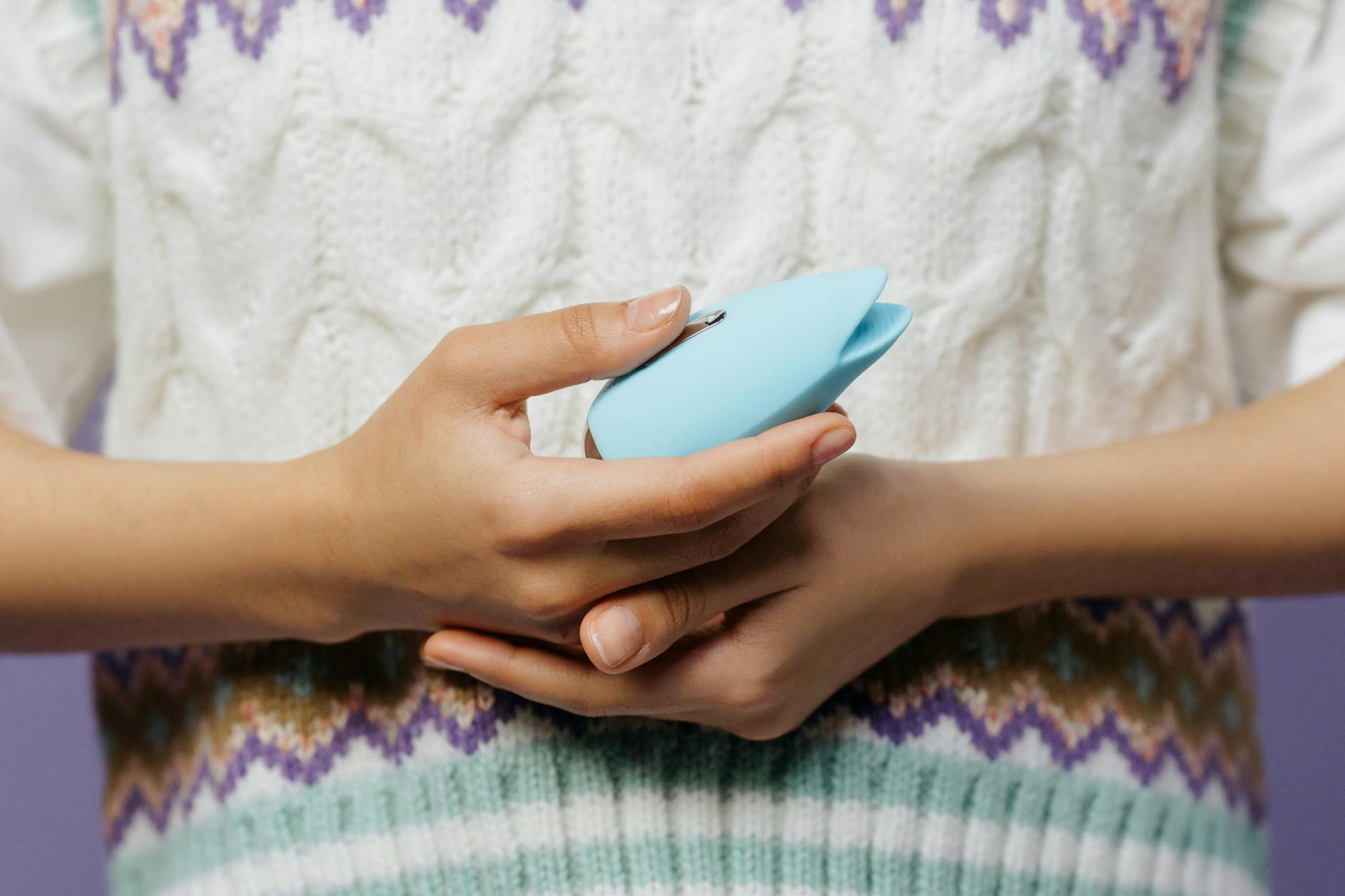
A traditional vibrator often requires you to be somewhat aroused already to feel good. Lemon vibrators, including the Lem, work differently. They use gentle suction and pulsing rather than direct friction, which means they stimulate your nerve endings without requiring you to already be "in the mood." That's crucial when you're numb.
The suction mechanism creates a different sensation than vibration alone. It's more like a sensation you need to pay attention to, rather than something that overstimulates and disappears into the background of your stress. This focused stimulation can actually help pull your awareness back into your body when burnout has pushed you out of it.
The other thing lemon clitoral vibrators do well is offer control. You can start at the lowest setting and build very slowly. When you're burned out, forcing yourself into traditional arousal patterns often backfires. Low-pressure exploration feels more sustainable than high-intensity sensation.
The nervous system reset protocol
If you're going to use a lemon vibrator during burnout, treating it as a nervous system reset rather than a sex act helps. Here's what actually works:
Start in the least sexy environment possible. This sounds counterintuitive, but if you're numb, you don't need ambiance. You need permission to just explore sensation without performance pressure. Lie in bed with the lights on, wear your regular clothes, have your phone nearby. No ritual, no candles, no special underwear. You're not trying to have sex. You're trying to wake up your nerve endings.
Use it for 5-10 minutes, not 30. Burnout makes sustained focus exhausting. A short, low-pressure session is more sustainable than waiting to build to something big. You're training your nervous system that pleasure is possible, not that you need to achieve a specific outcome.
Start at the lowest setting. Intensity can come later. Right now, you're noticing sensation. That's the whole goal. If setting 1 feels like nothing, try setting 2. But resist the urge to jump to high settings thinking you need to "feel something." Numbness lifts in layers.
Do this 3-4 times a week for two weeks before deciding if it's working. Burnout didn't happen overnight. Your nervous system won't reset in one session. Consistency matters more than intensity here. You're slowly building back the neural pathways for pleasure.
Reintegrating sensation into your life
Using a lemon vibrator during burnout often reveals something surprising: your body hasn't forgotten how to feel. It was just in timeout. Once you start reconnecting with small sensations intentionally, other things start to feel more alive too. A hot shower feels better. Touch from a partner feels less jarring. Food tastes more vivid.
This is why it matters to approach this gently. You're not trying to have earth-shattering orgasms. You're trying to convince your nervous system that pleasure is safe when everything else feels like chaos.
One thing I see a lot: people feel guilty that they need a vibrator to feel pleasure during burnout, as if that means something is wrong with them. It doesn't. It means you're using a tool to help your body communicate with your brain again. That's intelligent self-care, not a sign of failure.
The role of rest, actually
I can't write about stress-induced numbness without saying this clearly: a lemon vibrator is not a substitute for addressing the burnout itself. It's a tool for reconnecting with sensation while you're also working on the bigger picture.
That bigger picture is messy. It might mean setting boundaries at work, having hard conversations about what you need, or making structural changes to your life. It might mean therapy. It might mean accepting that pleasure has to take a back seat for a few months while you stabilize. A vibrator can't fix systemic burnout.
What it can do is remind you that pleasure exists, that your body still knows how to feel, and that you're worth reconnecting with yourself. Sometimes that small reminder is the thing that makes the harder work feel possible.
When to talk to someone
If you're using a lemon vibrator and still feel completely numb after three weeks of consistent use, check in with a therapist or your doctor. Sometimes numbness is a sign of depression, which is common in severe burnout. Sometimes it's a medication side effect. Sometimes it's both burnout and something else that needs separate attention.
This matters because pleasure isn't just a nice thing to have back. It's often one of the first signs that your nervous system is healing. If it's not returning even a little, you might need support beyond what a vibrator can offer.
But most of the time, when people give themselves permission to gently explore sensation again during burnout, something shifts. Not immediately, and not all the way, but enough to feel like themselves again. That's worth trying.
People also ask
Why does stress make you lose interest in sex?
Chronic stress keeps your nervous system in fight-or-flight mode, which suppresses arousal. Your body is treating pleasure as a non-essential function when it's busy managing perceived threats. This isn't a choice you're making. It's a physiological response to prolonged stress and elevated cortisol.
Can a lemon vibrator help if you haven't had sex in months?
Yes, but gently. A lemon clitoral vibrator's suction mechanism is less intense than traditional vibration, which makes it better for reconnecting when you've been disconnected for a long time. Start at the lowest settings and focus on sensation rather than orgasm. You're waking up your nerve endings, not performing.
Is it normal to feel nothing even with a vibrator when you're burned out?
Completely normal. Burnout can numb you to most sensations, including physical pleasure. This doesn't mean the vibrator isn't working or that you're broken. It means your nervous system needs more time or you need additional support. Try 3-4 sessions before concluding it's not helping. If you still feel nothing, talking to a therapist is worth it.
How long does it take for pleasure to come back after burnout?
It varies. Some people feel a shift in two weeks. Others take several months. The timeline depends on whether you're also addressing the burnout itself. A vibrator can help reconnect sensation, but you'll heal faster if you're also making changes to reduce stress.
Should you use a lemon vibrator with a partner during burnout?
That depends on your partnership and your bandwidth. Some people find that exploring sensation together helps them reconnect. Others feel like it adds pressure. When you're burned out, low-pressure self-exploration often works better first. Once you've started feeling sensation again, you can decide if you want to bring your partner in.
What if a lemon vibrator feels too intense when I'm burned out?
Start at the absolute lowest setting, or skip vibrators entirely for now and try external touch (hands, fingers, gentle massage) to wake up your nerve endings first. Sensation is subjective when you're numb. Some people need gentler entry points than others. A lemon sucker like the Lem is good because it's quieter and often feels less intense than traditional vibrators, even on higher settings.
The bigger picture
Burnout steals more than productivity. It steals pleasure, connection, and your sense of being alive in your body. Reconnecting with sensation through tools like a lemon vibrator isn't frivolous self-care. It's you telling your nervous system that it's safe to come back, that pleasure matters, and that you're worth the effort of healing.
Start small. Be patient. And if you want to understand more about how pleasure and stress interact in relationships, how to use lemon vibrators when anxiety affects your arousal goes deeper into the nervous system piece.
Your body remembers how to feel. Sometimes it just needs permission and a little support to remember again.