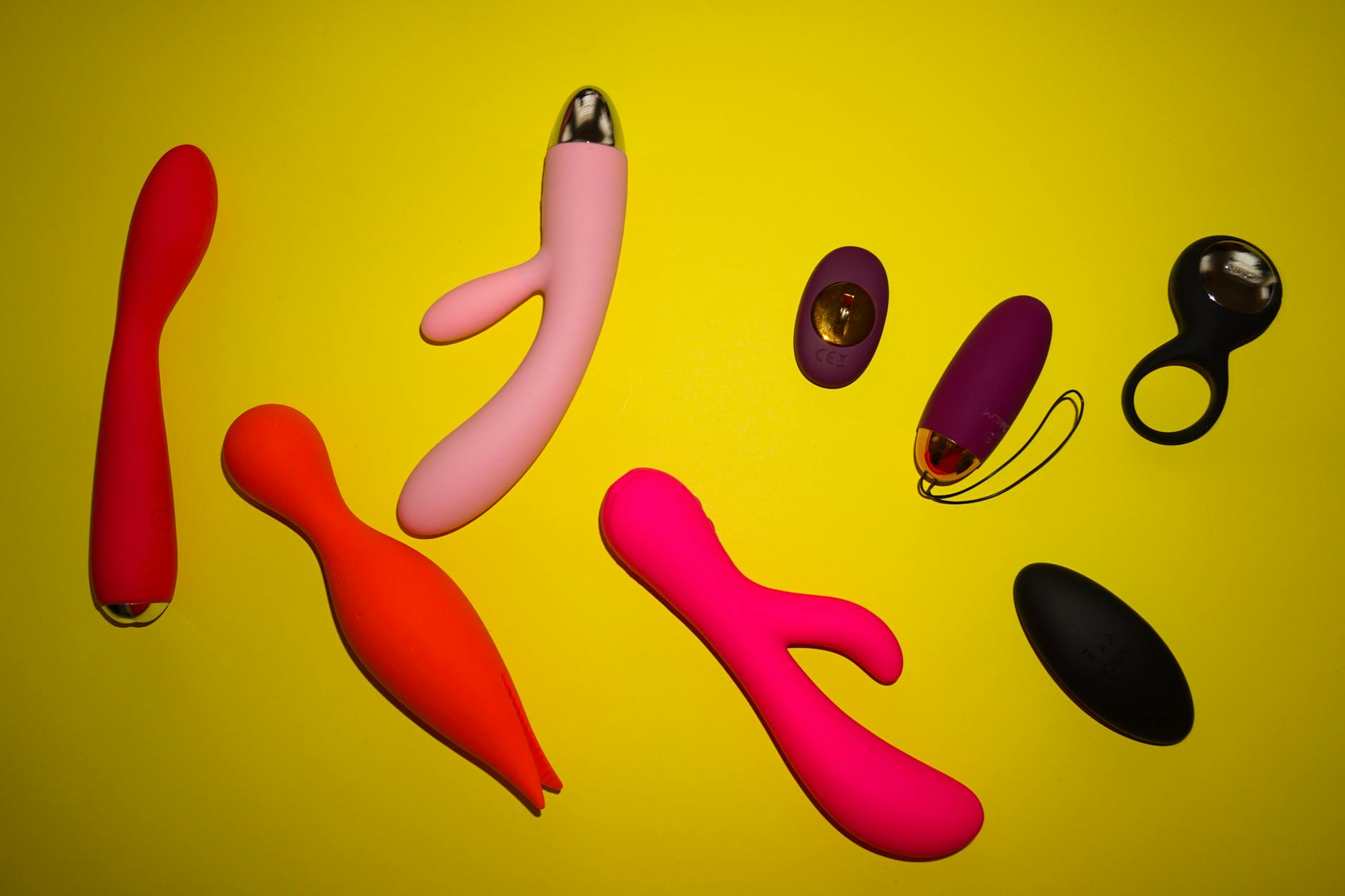
When sensation goes quiet
Let's be real. Nobody tells you this part when you start antidepressants, blood pressure medication, antihistamines, or a dozen other common meds. The conversation is always about what the drug fixes. Not what it takes.
But if you've been on certain medications for months or years, you already know. Sensation fades. Arousal takes longer. Orgasm gets harder or shallower or just. Doesn't. Happen. And suddenly you're not sure if the med is saving your life or stealing something essential from it.
The good news? This is reversible. Not always immediately, and not without strategy. But most people can rebuild clitoral sensation, even while staying on the medication that's helping them.
What medications actually do to sensation
This isn't vague. There are real mechanisms.
SSRIs (selective serotonin reuptake inhibitors) like sertraline, paroxetine, and fluoxetine are the most common culprits. They increase serotonin availability in the brain, which helps with mood and anxiety. But they also suppress dopamine in the pathways that light up during arousal and orgasm. It's a cascade: less dopamine, weaker arousal signals, less blood flow to the clitoris, fewer nerve signals reaching the brain.
Beta-blockers and ACE inhibitors (used for hypertension) reduce blood flow systemically, including to genital tissue. That means less engorgement, less pressure, less sensation.
Antihistamines dry out mucous membranes everywhere. Clitoral tissue relies on subtle changes in hydration and blood flow to register sensation clearly. Dry tissue is less responsive tissue.
Some psychiatric medications, certain hormonal contraceptives used long-term, and even chronic stress medications dampen the nervous system's ability to fire signals precisely. It's like turning down the volume on everything, not just arousal.
Here's what doesn't change: the nerve endings are still there. Your brain's capacity for pleasure is intact. Your body hasn't forgotten how to feel. The signal is just quieter.
Why lemon clitoral vibrators are different
When sensation is muted, traditional vibrators often feel like pushing against a wall. The stimulation is there, but your nervous system isn't picking it up clearly enough to translate it into pleasure.
Lemon vibrators work differently. The suction-and-pulse pattern mimics the kind of stimulation that travels through the clitoral network most effectively. Instead of relying on vibration intensity alone to break through the numbness, suction creates a gentle pressure change that engages deeper nerve pathways.
For people on medications that have dampened sensation, this matters. You're not trying to feel more intensely. You're trying to wake up the nerves that have gone quiet. Air-suction toys, like the clitoral suckers Hell A Nancy's offers, stimulate without requiring the high-intensity friction that can feel irritating on desensitized tissue.
The rebuild protocol that actually works
This is where most people get lost. They expect sensation to return all at once, or they assume they need to add more intensity. Neither is true.
Start with solo exploration, not pressure.
Begin without any toy. Spend 5-10 minutes with hands only, moving slowly across the whole vulva and clitoris. You're not trying to orgasm. You're mapping where sensation is present and where it's flatlined. This takes the performance pressure off and lets your nervous system downshift into receiving mode.
Introduce a lemon clitoral vibrator on the lowest setting.
Wait until you've done this a few times. Then use your lemon vibrator on pattern 1 or 2 only. Many people assume they need to jump to higher intensities because lower settings feel like nothing. That's the medication talking. The lower settings are actually working. Your brain is just used to filtering out subtle signals. Give it time to re-learn.
Extend your warm-up window.
With medication-dulled sensation, arousal doesn't happen on a five-minute timeline. Budget 20-30 minutes for a solo session or partner play. This isn't about endurance. It's about letting your nervous system gradually ramp up signaling that's been quieted for months or years.
Layer in micro-breaks.
Use your toy for 2-3 minutes, then stop. Rest 30 seconds. Breathe. Notice what you're feeling, even if it's subtle. Then resume. These breaks help your nervous system process sensation without overwhelming it. They're also the most common gateway to sensation returning.
What changes at the medication level
If you've been on an SSRI or other medication for a long time and sensation flatness is unbearable, talk to your prescriber about timing.
Some people find that taking their medication at a different time of day (morning instead of evening, or vice versa) changes when sensation is most available. It's not that the medication leaves your system; it's that peak levels shift, and some hours are better than others.
For SSRIs specifically, sometimes a small dose reduction helps. This is a conversation, not a DIY change. But many prescribers will discuss whether a lower dose maintains the mental health benefit while easing sexual side effects.
Other options: augmenting with a different medication that counteracts the side effect, or switching to an alternative antidepressant that has lower sexual side effect rates. Bupropion, for example, sometimes actually increases libido. But again, this is prescriber territory, not something you should adjust on your own.
The key point: medication changes are always worth discussing. You don't have to accept numbness as the price of treatment.
When sensation starts coming back
For most people, the first sign is not intense pleasure. It's subtle. You'll notice a slight warmth, a soft pulse that feels different from before, or a moment where an orgasm feels closer than it has in months.
That's your nervous system waking up.
Rebuilding with a partner
If you have one, tell them what's actually happening. Not "I don't want sex." But "My medication has made sensation quieter, and I'm working on rebuilding it slowly. This is what helps."
A partner who understands the timeline is a partner who can help instead of adding pressure. And pressure is the fastest way to shut down whatever fragile sensation is starting to return.
How to Use Lemon Vibrators When Your Partner Isn't Interested in Toys covers that dynamic more fully. The short version: this is collaborative repair, not a solo fix.
The nervous system is trainable
Here's what neuroscience tells us: your nervous system's ability to register sensation can be retrained. It's not fast. Depending on how long you've been on the medication and how dulled sensation got, rebuilding can take weeks or even a few months.
But it happens. Most people who stick with gentle, consistent stimulation report meaningful sensation return within 6-8 weeks. Some faster, some slower. Your mileage varies based on medication type, dose, how long you've been on it, and your baseline sensitivity.
How Lemon Vibrators Help When You Feel Numb After Long-Term Emotional Shutdown explores the emotional side of this too. Because sometimes the flatness isn't only neurological. Sometimes it's protective numbness, and sensation returns in layers as safety and pleasure reconnect.
When to talk to a doctor
If you've been rebuilding sensation consistently for 3 months and nothing is changing, bring it up with your prescriber or a sex-informed therapist. There might be other factors at play: thyroid issues, other medications you've forgotten you're taking, relationship stress, or hormonal changes that need attention.
Also talk to your doctor if the sensation loss happened suddenly or if you have pain alongside numbness. That's different from gradual dulling and needs investigation.
The patience piece
Rebuilding sensation is less like flipping a switch and more like tuning a radio that's been on static for too long. You're adjusting the dial slowly, listening for the signal underneath the noise, giving your nervous system permission to feel again without demanding instant results.
A lemon clitoral vibrator is a tool for that process. Not a cure, not a magic fix. A tool that lets you signal to your nervous system: "It's safe to feel. Come back."
And for most people, it does.
People also ask
Can I rebuild sensation while still taking the medication that caused it?
Yes, most of the time. Sensation dulling is often reversible even at the same dose, especially if you layer in consistent gentle stimulation, address stress, and give your nervous system time to re-calibrate. If after 8-12 weeks of rebuilding work nothing shifts, that's when a prescriber conversation about dose changes or alternatives makes sense.
How long does it usually take to feel sensation coming back?
Most people report noticing subtle changes within 2-4 weeks of consistent practice. Meaningful, reliable sensation usually returns within 6-12 weeks. But this depends heavily on the medication type, how long you've been taking it, and whether you're addressing other factors like stress and sleep.
Is a lemon clitoral vibrator better than a regular vibrator for medication-dulled sensation?
For many people, yes. The suction pattern engages different nerve pathways than traditional vibration alone, and it often feels less overwhelming on desensitized tissue. That said, every nervous system is different. If a lemon vibrator isn't working after a few trials, that's information too.
What if I don't want to change my medication?
That's completely valid. In that case, focus on the rebuild protocol: extended warm-up time, low-intensity stimulation, micro-breaks, and consistency. Many people regain meaningful sensation without any medication changes, just through nervous system retraining. It takes longer, but it works.
Can I use a lemon clitoral vibrator if I'm also using other tools or toys?
Absolutely. Many people find that alternating between different types of stimulation (hands, a lemon sucker, then back to hands, for example) actually helps sensation re-emerge faster. Variety signals to your nervous system that sensation is available in multiple forms, which speeds up the re-training process.
What if the medication is also affecting my partner's sensation?
The dynamics shift a bit, but the principle is the same. Why Lemon Clitoral Vibrators Work Better for Couples Navigating Slower Arousal Together dives deeper into that. For now: communication, patience, and the same gentle re-training approach work for partners too.
The bottom line
Medication-dulled sensation is real, it's common, and it's not permanent. Your nervous system is trainable. Sensation can come back. A lemon clitoral vibrator is often the right tool for that work, because it meets your nervous system where it is now rather than demanding it work the way it used to.
Start gently. Be consistent. Give it time. Talk to your doctor if things aren't shifting. And remember: rebuilding sensation is an act of self-respect, not an indulgence.