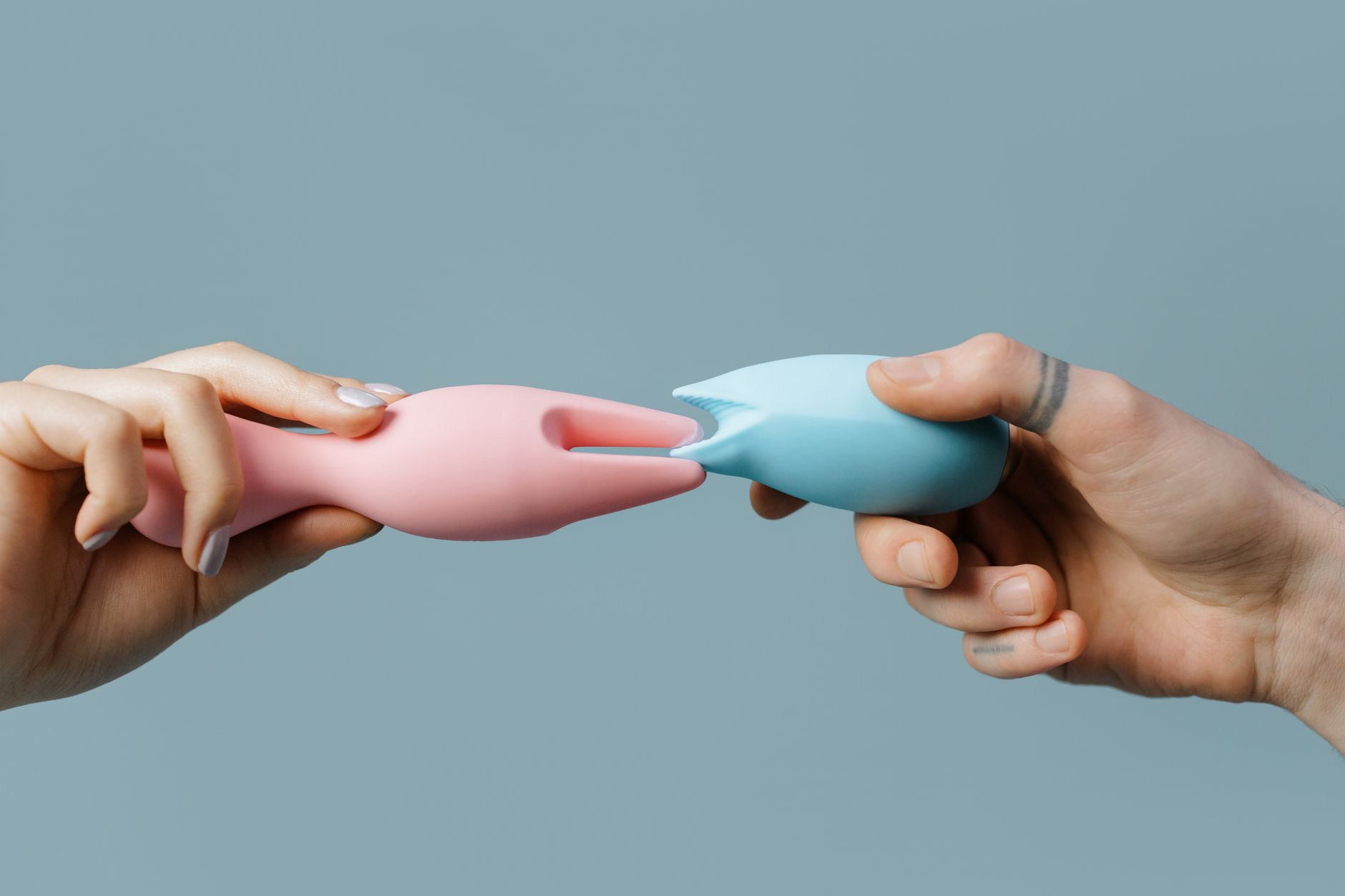
When spinal surgery steals sensation down there
Let's be real. Nobody warns you that spinal fusion or decompression surgery might kill off sensation in your vulva for months. The surgical team talks about regaining mobility, managing pain, protecting your core. No one mentions that the same nerves supporting your spine also feed pleasure sensation to your genitals.
The numbness is temporary. Your body is rebuilding those neural pathways. But temporary doesn't mean you have to wait passively for feeling to return. Lemon vibrators, especially suction-style clitoral vibrators like the Lem, actually accelerate that rewiring process by stimulating dormant nerve endings and teaching your brain to recognize sensation again.
How spinal surgery interrupts sensation
Your lower spine isn't just a load-bearing structure. It's a highway for the pudendal nerve, which carries sensation from your vulva and clitoris up to your spinal cord and brain. When a surgeon works on your lumbar spine, even with minimal invasiveness, inflammation, scar tissue formation, and temporary nerve irritation can block or dampen those signals.
The result: reduced sensation, delayed arousal, difficulty reaching orgasm, or a completely numb feeling down there that feels permanent but isn't.
Here's the important part: numbness doesn't mean the nerve is dead. It means the signal is muffled. Think of it like a radio station playing softly in another room. Your job during recovery is to gradually turn up the volume by repeatedly stimulating those pathways, which is where lemon vibrators become a genuine tool, not a workaround.
Why clitoral vibrators help rebuild sensation
Three reasons clitoral vibrators, specifically lemon sexual toys with suction technology, work so well for post-surgical nerve recovery:
Consistent, gentle stimulation without fatigue. Your hands get tired. Your hand can't pulse at 3,000 micro-vibrations per minute steadily for 15 minutes. A vibrator can. This consistency trains your nervous system to recognize and process sensation again.
Suction mimics natural arousal patterns. The clitoris has about 8,000 nerve endings concentrated in a tiny area. During natural arousal, blood flow and muscular contractions create a suction-like sensation. A lemon vibrator simulates this without requiring the manual dexterity or hand strength that might feel painful or unstable post-surgery.
Neuroplasticity requires repetition. Your brain's sensory cortex literally rewires itself through repeated stimulation. Research on stroke and spinal cord injury recovery shows that consistent, targeted sensory input accelerates nerve regeneration and sensory remapping. Using a lemon clitoral vibrator 3-4 times weekly during the first 6-8 weeks post-surgery creates the repetition your nervous system needs.
The step-by-step recovery approach
Weeks 1-3 post-surgery: gentle awakening.
You're probably still swollen and in a brace. Orgasm isn't the goal yet. Instead, use your lemon vibrator at its lowest setting for just 5-10 minutes, focusing on noticing any sensation at all. Any tingle, any awareness. Don't force arousal. You're simply introducing stimulus to a quiet nerve. Many people report feeling almost nothing at this stage, which is normal.
Weeks 4-6: building tolerance and recognition.
Once clearance from your surgeon comes, gradually increase to levels 2-3 on your vibrator. Spend 15-20 minutes exploring. You'll likely feel more pinprick sensations, electrical feelings, or tingling. These are good signs. Your nervous system is waking up. Some people experience pain or sharp sensation at this stage. If it's sharp pain (not dull soreness from the surgical site), pause and return to a lower level next time.
Weeks 7-12: retraining pleasure pathways.
As weeks pass, your body will start translating that stimulation into something closer to pleasure. You might find that certain patterns or settings feel better. This is your nervous system learning to encode sensation as pleasurable rather than just "different" or "numb." Many lemon vibrators have preset patterns. Experiment. Your preferences may shift week to week as sensation returns. That's not confusing; that's recovery.
Practical tips for safe recovery use
Clear it with your surgeon first. Every spinal surgery is different. Some surgeons give the all-clear at 4 weeks; others recommend 8-12. Don't guess.
Start with water-based lubricant even if you don't think you need it. Swelling persists longer than you'd expect, and lube reduces any friction that might trigger inflammation. Hospital-grade lubricant is fine; regular water-based lube works too.
Use a timer. Limit sessions to 15-25 minutes initially. Your nervous system is fatigued and overstimulation is real. Shorter, regular sessions beat long irregular ones.
Position matters for your back. Lying on your back with a pillow under your knees or side-lying (whichever your PT cleared) keeps your spine neutral. Don't twist. If a position feels risky, don't do it.
Track what you notice. Keep a simple log: date, level used, duration, sensation noted. Over 4-6 weeks, you'll see tangible progression. That data is incredibly reassuring when recovery feels slow.
What to expect (and when to worry)
Most people experience gradual sensation return over 8-16 weeks. By month four, the numbness typically shifts to a buzzy, almost hyper-sensitivity as nerves fully reboot. Some people then need to dial down intensity for a few weeks before finding their new normal.
Sharp shooting pain, new areas of numbness, or worsening swelling warrant a call to your surgeon. Mild discomfort, tingling, and "pins and needles" sensations are normal recovery noise.
Full sensation and arousal function typically return by 4-6 months post-op, though it varies widely. Patience is the hardest part because you're fighting the psychological weight of thinking you've lost something. You haven't. It's just healing.
The emotional part nobody talks about
Sex and pleasure feel tangled up with your body's competence right now. You're recovering from trauma. Your back feels fragile. And now pleasure feels absent on top of everything else. That's a lot.
Most people feel some grief or frustration during this period. That's worth acknowledging. You're not broken; you're healing. If you have a partner, the conversation matters. "My body is recovering and sensation is coming back slowly" is different from "something is wrong with us." Don't confuse the two.
If you're solo, give yourself permission to take this slowly. Pleasure is a practice, not a performance. You're literally retraining your nervous system. That's profound work, even if it doesn't feel like it.
When to bring a partner into recovery
If you have a partner and want physical intimacy during recovery, the early weeks are about non-penetrative touch and very gentle manual stimulation. Your partner can learn to use a lemon vibrator with you, which teaches them your new sensory map and builds intimacy around recovery rather than performance.
Many couples find that slowing down and focusing on sensation exploration during post-surgery recovery actually deepens connection. You're both learning your body again. That's rare in long-term relationships and often valuable.
People also ask
How long after spinal surgery can I safely use a vibrator?
Most surgeons clear gentle vibrator use 4-6 weeks post-op, once initial swelling is down and you're off heavy pain medication. Always ask your surgeon before starting. If you're still in a brace or on muscle relaxants, wait. Sensation recovery works best when you're not medicated into numbness.
Can using a vibrator too early damage my surgery site?
No, not if you're using it on your clitoris and keeping your spine still. The vibration doesn't travel up your spinal cord. What matters is your positioning and not putting stress on your incision. If your incision is fully healed and you're keeping your spine neutral, vibrator use is safe. If you're still swollen or tender, pain is your signal to pause.
Why does sensation feel weird or painful when I start using a vibrator during recovery?
Rewakening nerves often feel strange, tingly, or even slightly painful before they feel pleasurable. This is called paresthesia. It's normal. If the pain is sharp or shooting, reduce intensity or frequency. If it's a dull buzzy sensation or pins and needles, you're on track. Within 2-3 weeks, "weird" usually shifts toward "interesting" and then "good."
Will my sensation ever fully return after spinal surgery?
Yes, almost always. The pudendal nerve is resilient. Full sensation typically returns by 4-6 months, though some people experience complete recovery by 12 weeks and others take longer. Using a lemon vibrator consistently during the first 8-12 weeks actually accelerates that timeline because you're actively stimulating the nerve pathways.
Can I reach orgasm during early recovery or will numbness prevent it?
Orgasm might not be possible in the first 4-6 weeks due to numbness and pain medication. By weeks 8-12, orgasm becomes increasingly possible as sensation returns, though it might feel different than before. Some people find their sensation and orgasm response are actually heightened post-recovery. The rewired pathways sometimes work better than they did before.
Is it normal to have no sensation return for months?
Sensation typically begins returning within 4-8 weeks for most people. If you see zero change by 8 weeks, talk to your surgeon. Sometimes targeted physical therapy or a consultation with a neurologist helps identify whether nerve compression or scar tissue is limiting recovery. Most cases respond well to early intervention.
Moving forward
Spinal surgery disrupts your pleasure temporarily. It doesn't erase it. Your lemon vibrator isn't a workaround; it's a legitimate tool for accelerating nerve rewiring and teaching your nervous system to recognize sensation again. The process takes patience, consistency, and a willingness to redefine what pleasure feels like as your body heals.
If you're struggling with the emotional weight of post-surgical numbness, that's also real and worth addressing. Consider reaching out to a therapist or counselor who specializes in post-surgical recovery or intimacy. Healing is both physical and psychological.
Your sensation will return. Your pleasure will return. And often, the intentionality you bring to recovery creates a deeper connection to your body than you had before. That's not just healing. That's transformation.