Here's what diabetes does to your sex life
Let's be direct. Diabetes changes sensation. High blood sugar damages nerve endings over time, a process called neuropathy. Your feet feel it first, usually. Your genitals feel it later, which is the part nobody wants to talk about. Numbness creeps in. Arousal takes longer. Orgasms feel distant or don't arrive at all. You're not broken. Your nervous system is just working harder to reach the same signal.
This isn't rare. Studies show that people with diabetes experience sexual dysfunction at roughly double the rate of people without it. The kicker? Most people never connect the two. They assume they're losing interest, or that something emotional has shifted, when the real culprit is metabolic.
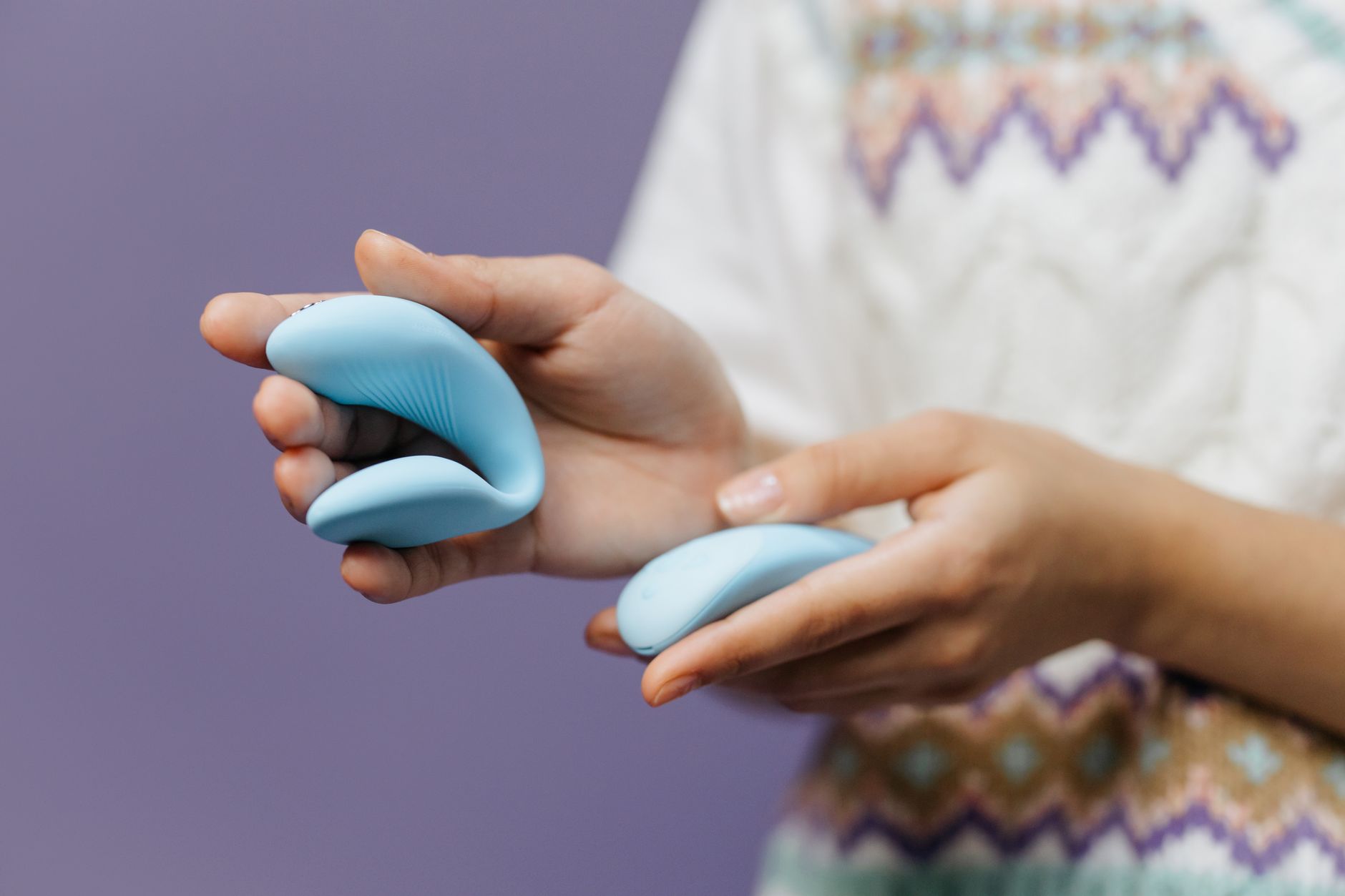
The good news is equally direct. A lemon clitoral vibrator can bridge that gap. Not as a cure, but as a practical tool that works with how your body is actually functioning right now.
How diabetes dampens arousal
Think of your nervous system like a radio signal. In people without diabetes, that signal is clean and strong. Sensation travels fast from your skin to your brain. Arousal builds. Your body responds.
Diabetes turns up the static. High blood sugar gradually damages the tiny blood vessels that feed your nerves. Over months and years, your clitoris gets less blood flow. The nerve endings that should fire when touched fire more slowly, or not at all. Lubricication changes too. Everything becomes muted.
The result? You need more direct, consistent stimulation to reach the same pleasure threshold you used to hit easily. This isn't a reflection on your desire or your partner. It's math. Your nerves are working with less input, so they need more volume to register the signal.
That's where vibration enters the picture. A lemon vibrator doesn't fix the diabetes. It compensates for the sensory loss by providing intense, precise stimulation that your flattened nerves can actually feel.
Why air-suction vibrators work better for neuropathy
Most vibrators buzz. Some pulse. A lemon clitoral vibrator uses suction technology, which works differently on diabetic tissue.
Here's the distinction that matters. Traditional vibrators work through rapid side-to-side or up-and-down motion. If your nerve endings are numb, even buzzing at 3000 RPM feels like white noise. Suction works by creating gentle negative pressure that draws tissue upward and stimulates the nerve network around the clitoral head. This doesn't rely on your damaged nerves perceiving vibration speed. It works through a different sensory pathway altogether.
When neuropathy has already deadened your sensation, suction can feel like you're actually waking something up. Patients describe it as "finally feeling something again." That neurological reset matters emotionally too. You're not just chasing sensation. You're rebuilding trust in your own body.
Practical adjustments for diabetes-related numbness
Three things I recommend to almost every client managing sensation loss from diabetes.
Start with pattern one. The Lem vibrator has multiple settings. Don't jump to the strongest setting hoping it'll work faster. Begin at the lowest intensity and let your body adjust over a few sessions. Sensation rebuilds gradually. Forcing it backfires.
Use generous lubrication. Diabetes affects lubrication production on top of nerve function. Even if you're producing moisture, it often isn't enough for comfortable, pleasurable sensation. Water-based lube isn't a sign you're broken. It's a baseline tool. More slip means the suction can work more effectively.
Set a realistic timeline. If you've had diabetes for years, your nerve damage didn't happen overnight. Sensation rebuilding takes weeks, sometimes months. Some people regain feeling they thought was gone. Others find a new version of pleasure that's different from before but equally real. Both are wins.
The emotional piece people skip
Diabetes-related numbness often arrives wrapped in shame. If you've felt yourself going numb during sex, your first instinct might be to avoid it entirely. You assume you're broken. You might not even tell your partner what's happening, which means they don't understand why you seem distant.
This is where a tool like a lemon vibrator shifts something psychological too. It's not just about sensation. It's about taking active steps to reclaim your pleasure, which means reclaiming agency. You're not waiting for your body to cooperate. You're working with what you have, strategically, and that reframes the whole experience.
If you're partnered, this is also a conversation worth having directly. "My nerve endings are less responsive because of diabetes, so I need more direct stimulation" is a factual statement that depersonalizes what's happening. It's not "You don't turn me on anymore." It's "My body needs different input right now."
Blood sugar control makes a real difference
Here's the part that matters for long-term change. A lemon vibrator is a tool for pleasure in the present. But if you want sensation to improve over months, blood sugar control is your main lever.
When blood sugar stays elevated, nerve damage progresses. When it stabilizes within your target range, some nerve function can actually recover. I've had clients report that as they got their A1C down, sensation improved noticeably. They still used their lemon vibrator, but they needed it less intensely as their baseline sensitivity returned.
This isn't about shame or "controlling" your diabetes better. It's just biology. Better glucose management = less nerve damage = gradually improving sensation. It's worth discussing with your endocrinologist or diabetes specialist what your individual targets are and what tools might help you reach them.
When to bring in other support
If sensation loss is significant or hasn't budged after a few months of regular use, blood sugar management, and lubrication, mention it to your doctor. Diabetes-related erectile dysfunction and sensation loss are treatable problems.
Some people benefit from topical creams that improve blood flow. Others find that adjusting medications or adding a medication specifically for sexual function helps. A conversation with your sexual health provider isn't defeat. It's adding another tool to your toolkit.
Also worth noting. Depression and anxiety often trail diabetes diagnosis and can compound sensation loss on their own. If you're struggling emotionally, that's a separate conversation worth having with a therapist or counselor. Sex isn't just physical. If your mind is checked out, sensation work alone won't solve it.
The rebuilding phase actually works
Most people assume that once diabetes dims sensation, that's permanent. It's not always true. Nerves have more capacity for recovery than you'd think, especially if blood sugar improves. A lemon clitoral vibrator doesn't heal neuropathy. But it does provide the consistent, intense stimulation that helps your brain and nerves reconnect. You're essentially retraining your nervous system to feel pleasure again.
That rebuilding phase is real, it's measurable, and it matters. You don't just get sensation back. You get choice back. You get to decide how you want to experience your body again.