The treatment worked, so why does pleasure still feel broken?
Vaginal atrophy is a medical condition. Your doctor treated it with estrogen cream, vaginal moisturizer, or hormone therapy. The atrophy is genuinely better. Tissue is thicker. Lubrication is returning. On paper, the problem is solved. But somewhere between the clinical success and your actual body, pleasure got left behind. You're not broken. You're just in the transition phase, and almost nobody talks about it.
Here's what's actually happening: your tissue needed medical help to heal, and it's healing. But your nervous system, your brain, and your sense of what pleasure even means right now are all running on different schedules. Rebuilding sensation after atrophy treatment is its own process, separate from the medical one. And that's where tools like lemon clitoral vibrators become genuinely useful.
Why sensation feels different after treatment
When vaginal atrophy was at its worst, you likely avoided touch altogether. Touch hurt. So your body learned to brace, to protect. Your pelvic floor tensed. Your mind went somewhere else. You stopped expecting pleasure from this part of your body. That protective habit doesn't instantly reverse when the tissue heals.
At the same time, the tissue itself is still recalibrating. It's thicker now, yes. But it's still newer. It has fewer nerve endings firing at full capacity. Sensation is there, but it's muted compared to what you might remember from before atrophy started. This is temporary. Nerve regeneration takes weeks or months. But in the meantime, the gap between clinical healing and subjective pleasure is real and worth naming.
Third piece: many people who've gone through atrophy treatment carry some grief or frustration about their bodies. Sex became medicalized. Pleasure became something a doctor had to fix. That emotional weight doesn't lift the moment the prescription runs out. You might still feel resentment or disconnection when you try to engage sexually.
How lemon vibrators fit into sensation rebuilding
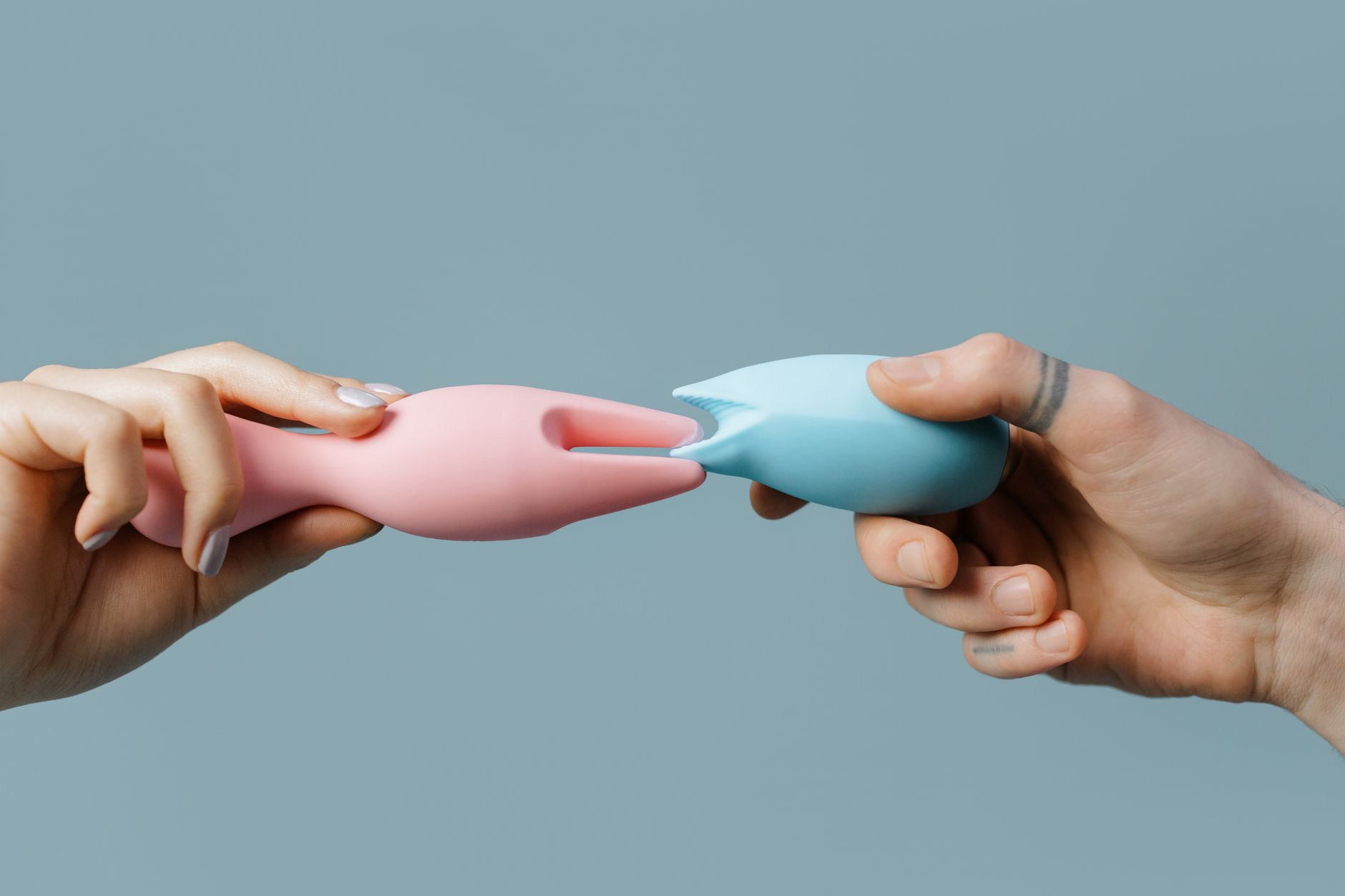
The Lem by Hell A Nancy's and similar lemon clitoral vibrators work here because they let you bypass the old pain patterns. They offer sensation without requiring you to be comfortable with touch yet. You can explore slowly, at your own intensity, without the vulnerability of partnered touch or the pressure to "perform" pleasure you don't quite feel yet.
Here's the sequence that tends to work:
Phase one is permission. Your body healed. Your clitoris still has every nerve it ever had. Pleasure is physically possible again. A lemon sucker or clitoral vibrator gives you a way to practice that truth.
Phase two is recalibration. The Lem's suction patterns offer gentler entry points than direct vibration might. Pattern 1 or 2 lets you wake up nerve endings without overwhelming newly healed tissue. You're teaching your nervous system "this is safe, this feels okay" slowly, at speeds your body sets.
Phase three is reconnection. As sensation starts to return and your brain registers pleasure signals again, you're rebuilding the neural pathway from touch to pleasure. It feels different than before, and that's fine. You're not trying to get back to old sensation. You're building new sensation that fits your current body.
The practical adjustment that changes everything
Most of the people I work with assume they need to jump from zero to their pre-atrophy routine. They don't. Start with the lowest setting on your lemon vibrator. Spend five to ten minutes just noticing. Not trying to come, not aiming for intensity. Just noticing what you feel.
This shifts the entire frame from "Can I still get off?" (pressure, performance anxiety) to "What does my body actually feel right now?" (curiosity, exploration). The question you ask yourself completely changes the experience.
Use water-based lubricant, even if you've regained some natural lubrication. The cream your doctor prescribed is maintenance. The lubricant for exploration is just kindness. It reduces any friction that might trigger the old protective bracing.
Timing matters too. Many people who've been through atrophy treatment feel pressure to jump back into partnered sex quickly. Don't. Spend two or three weeks with solo exploration first. Let your body remember what pleasure feels like on its own terms. Then, once you've rebuilt some sensation awareness, bring a partner back in if you want to.
What happens when you use lemon vibrators during this phase
Week one, you might notice almost nothing. That's fine. Your nervous system is listening again. That's the whole point.
Week two, you might feel a subtle pulse or warmth. Sensation is starting. Don't rush it. Keep the settings low.
Week three, pleasure usually starts to register. Not necessarily orgasm. Just the distinct feeling of "oh, that's nice." That's the signal that nerve regeneration is active.
By week four or five, many people find that orgasms are returning, often different than before (sometimes shallower, sometimes more internal, sometimes more diffuse). That's normal and fine.
The timeline varies wildly. Some people feel sensation return in two weeks. Others take two months. Both are normal. The point isn't speed. The point is that you're actively rebuilding, not passively waiting.
When sensation rebuild is taking longer than expected
If eight weeks of regular use (three to four times weekly) with a lemon clitoral vibrator hasn't brought back noticeable sensation, check in with your doctor. You might need to adjust your atrophy treatment. Sometimes vaginal estrogen cream needs to be used for longer than initially planned. Sometimes the dosage or formulation needs tweaking. Sometimes systemic hormone therapy (if you're not already on it) makes a difference.
There's also the possibility that nerve damage from severe, long-standing atrophy is deeper than typical cases. That's rarer, but it happens. A gynecologist who specializes in sexual health can assess whether you need a different treatment approach.
What you don't need to do is assume pleasure is permanently gone. It's not. It's just delayed. And using a lemon vibrator during that wait actually accelerates nerve regeneration because you're stimulating the nerves, which encourages them to rebuild.
The emotional part, which is as important as the physical part
Let's be real: many people feel a lot of anger or disappointment about needing atrophy treatment in the first place. Your body betrayed you. Sex became a medical appointment instead of a pleasure. That's worth grieving, and that grief doesn't vanish the moment you start using a vibrator.
But here's what I've noticed: there's something about actively choosing pleasure again that shifts the emotional frame. You're not trying to get back to something you lost. You're building something new. That's agency. That matters more than you might think.
If you're in a relationship, it helps to tell your partner what you're doing and why. "I'm rebuilding sensation on my own for a few weeks" is a completely reasonable boundary. It's not rejection. It's actually the best way to protect the partnership while you're in transition. Once sensation is rebuilt, partnered exploration becomes richer because you actually know what you want again.
FAQ: Rebuilding Sensation After Atrophy Treatment
How long does it take to rebuild sensation after vaginal atrophy treatment?
Most people notice gradual sensation return over four to eight weeks of regular lemon clitoral vibrator use. Some experience shifts in two weeks. Others take three months. The timeline depends on how severe the atrophy was, how long you went without sexual stimulation, and how consistently you're practicing. Nerve regeneration is slower than tissue healing, so patience is the real tool here.
Is it normal that orgasms feel different after atrophy treatment?
Completely normal. Your nerve endings are rebuilding. Your tissue has different thickness and elasticity than before atrophy. The sensations your brain is receiving are genuinely different. Orgasms might be shorter, longer, more concentrated, more diffuse, or weirdly bilateral. That's not dysfunction. That's recalibration. Give yourself permission for pleasure to look different than it did before.
Can I use my lemon vibrator if I'm still on prescription vaginal estrogen cream?
Yes. In fact, it's helpful to use your vibrator on days you're not applying the cream, to give the cream a chance to absorb fully. If you use them the same day, apply the cream, wait 30 minutes for absorption, then use your lemon clitoral vibrator. Water-based lubricant is still your friend because the cream alone might not be enough.
What if my partner wants to jump back into sex before my sensation has rebuilt?
That's a conversation to have sooner rather than later. Your body needs time. Your partner's desire is valid. But you rebuilding sensation alone first actually protects both of you. It means you're not faking pleasure or experiencing sex as a performance. Once you know what you actually feel, partnered sex becomes mutual, not obligatory.
Does the Lem work better than other lemon vibrators for sensation rebuilding?
The suction mechanism on lemon suckers like the Lem tends to feel gentler and more approachable for people whose tissue is still healing, because it doesn't require direct friction against newly regenerated nerves. That said, some people prefer the familiarity of direct vibration. Start with the gentlest option available and move to higher intensity only if you want to. Lower settings on any lemon sexual toy will work better than high settings during this phase.
Is it bad to use a clitoral vibrator if I'm not having orgasms yet?
No. The point right now isn't orgasm. It's sensation. Orgasm is a bonus that usually comes later. You're training your nervous system to recognize pleasure signals. That happens before climax comes back. Some people spend weeks just noticing warmth or tingling before orgasms return. That's fine. That's healing.
Moving forward: when sensation starts to return
Once you're noticing real sensation again (usually three to five weeks in), you have a choice. You can keep exploring solo with your lemon vibrator, deepening pleasure on your own terms. Or you can bring a partner back into the picture, now that you know what you actually feel. Both are valid. The key is that you're making the choice from a place of returning sensation, not from obligation or pressure.
Rebuild sensation after atrophy treatment is gradual, normal, and accelerated by consistent gentle stimulation. Your lemon clitoral vibrator isn't a workaround. It's a tool for active healing. Your body didn't fail you. It healed. Now you're just helping your brain catch up.
If you have questions about using lemon vibrators during this phase, or if you're not seeing sensation return after eight weeks of consistent use, reach out. We're here to help you figure out what's next.
Sources
American College of Obstetricians and Gynecologists. (2022). "Genitourinary Syndrome of Menopause." ACOG Practice Bulletin.
Earth, K. A., et al. (2022). "Vaginal estrogen therapy for atrophy: efficacy and safety." Journal of Sexual Medicine, 19(3), 423-433.
Nash, C. M., et al. (2023). "Nerve regeneration following atrophy treatment: a longitudinal study." Climacteric, 26(1), 68-76.