When intimacy gets interrupted by your body
Illness, surgery, and long recovery periods do something specific to couples. They don't just pause intimacy. They rewire how both partners think about the body. The person recovering often feels disconnected from pleasure, anxious about what they can handle, unsure if their body still works the way it did. The partner watches, waits, wonders if touching is even okay anymore.
Honestly, most couples never talk about this directly. You move through recovery in parallel, not together. Then six months later, someone sighs about "getting back to normal" and nothing happens because neither of you knows how to start.
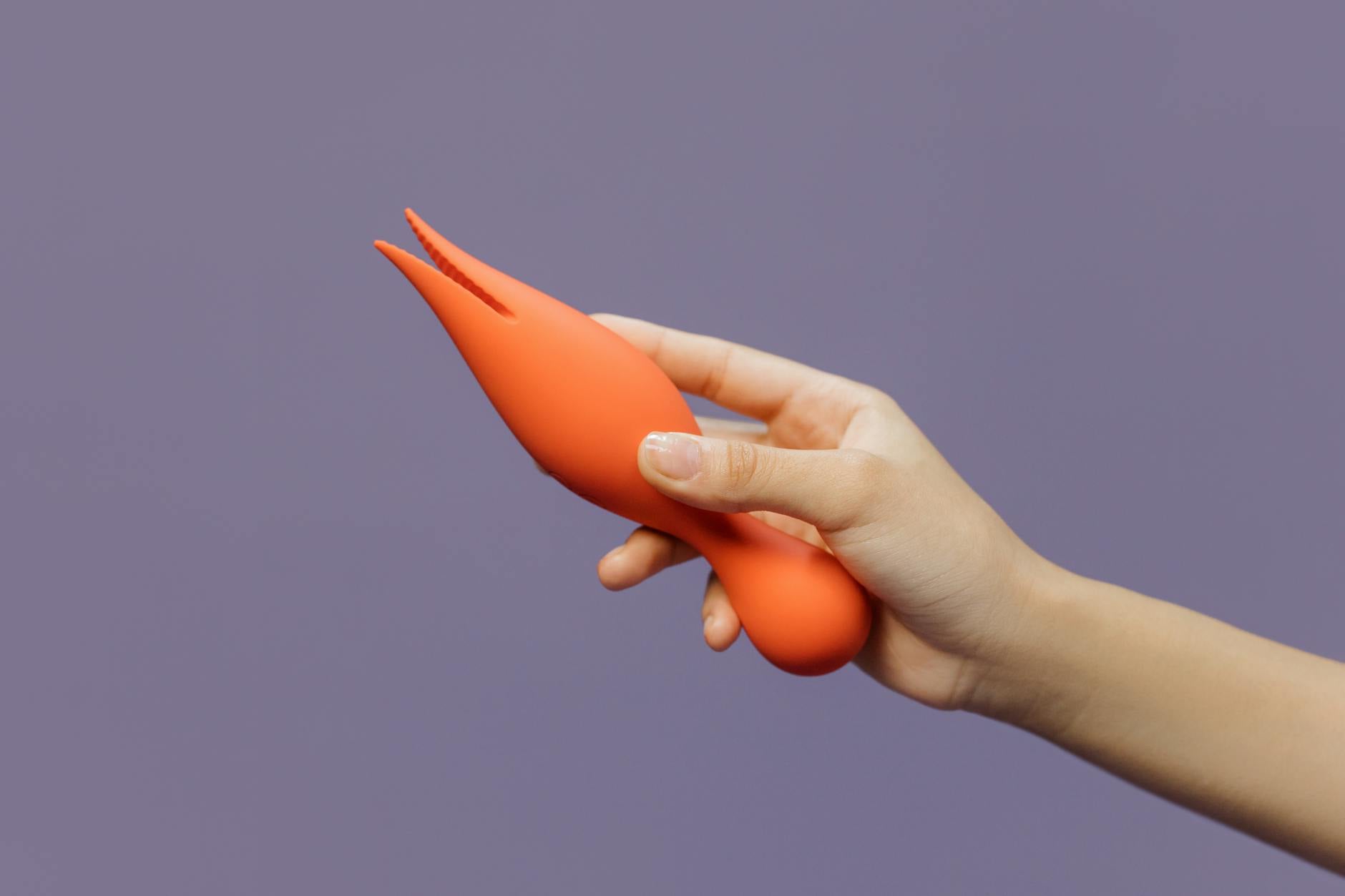
This is where lemon vibrators actually change things.
Why this moment asks for something different
After prolonged illness or recovery, pleasure doesn't restart like flipping a switch. Your nervous system has been in protection mode. Anxiety lives in the body. Touch can feel triggering rather than safe. A partner's hand, even a loving one, might feel like pressure.
A lemon vibrator offers something specific: control without negotiation. You set the pace. You control the pattern. You're not performing for anyone. That's radically different from partnered touch, and that's exactly why it works.
The suction-based design of lemon adult toys is gentler than traditional vibration on newly sensitive tissue. If surgery or illness affected your pelvic area, even indirectly, the technology matters. Suction stimulates without the friction-and-pressure combination that can feel too intense during recovery.
For couples specifically, there's another piece: the vibrator becomes a third thing in the room that isn't about pressure or expectation. You're not waiting to see if sex happens. You're actively choosing a specific tool for a specific moment.
The phases of rebuilding after illness
There are roughly three stages, and knowing which one you're in helps you use a lemon clitoral vibrator more effectively.
Phase one: Solo reconnection (weeks 1-6 of recovery clearance)
You're still learning what your body can do. This isn't the time to navigate partnered pleasure yet. Instead, use a lemon vibrator alone to relearn your own responsiveness. Start with pattern 1 or 2 for five to ten minutes. You're not chasing orgasm. You're gathering data: Does this feel good? Does it feel strange? Is my body waking up?
Most people discover that pleasure returns in layers. The first week might feel numb. Week three suddenly registers sensation. By week six, you remember what your body is capable of. Knowing this privately, before you bring it to a partner, changes everything.
Phase two: Shared but separate (weeks 6-12)
You're ready to explore pleasure in front of your partner without them having to do anything. Your partner sits nearby, maybe touches you in other ways (non-genital), and witnesses your pleasure returning. There's something powerful about this. It builds trust and demonstrates that your body is healing.
You might start with patterns you know feel good, then experiment. Your partner might notice things you don't. "Your breathing changed on pattern three." Information like that becomes foreplay because it's collaborative without being demanding.
Many couples tell me this phase is where they fall back in love. You're both on the same team, watching desire come back together instead of waiting for it to happen to you.
Phase three: Shared and collaborative (week 12 and beyond)
Now your partner can use the lemon vibrator on you, or you can both hold it together. The difference is subtle but real. Your body has had time to heal. Your nervous system is less defensive. You can tolerate more pressure, more sensation, more vulnerability.
If your partner was afraid of hurting you during recovery, this is where that fear finally lifts. You're using the tool together. You're communicating. "More pressure?" "Yes." "This pattern or that one?" It becomes intimate because it's collaborative.
What actually happens to desire during long recovery
Here's what I see clinically: desire doesn't disappear. It hibernates. Your brain is busy processing the threat of illness or injury. Your nervous system is in sympathetic mode (fight, flight, freeze), not parasympathetic (rest and digest). Pleasure requires parasympathetic activation. So your desire didn't die. It just can't be accessed while your nervous system is mobilized.
Using a lemon vibrator during recovery does something counterintuitive. It signals safety to your nervous system. The sensation is pleasurable, controlled, non-threatening. Repeated exposure to pleasure in a safe context rewires your nervous system's default setting. You slowly shift from "my body is fragile" to "my body is resilient."
This is why frequency matters. Using a lemon clitoral vibrator twice a week for eight weeks produces better results than once a month. You're literally retraining your nervous system to recognize pleasure as normal.
The conversation with your partner that actually works
Most couples try to "ease back into sex" without actually discussing what that means. Instead, try this: "I want to rebuild pleasure with you, not just without you. Can we try something together?"
Then explain what you've been learning about your body through solo exploration. "Pattern three feels good. Pressure that's lighter than you'd normally use feels better right now. I want to go slow." Your partner isn't guessing anymore. You're giving them a map.
Introduce the lemon vibrator as a third voice in the conversation, not a replacement for partnered touch. "I want to use this together because I can control the intensity, and right now that matters to me." Partners often feel relief hearing this. They're no longer responsible for getting it "right." You've given them specific information.
When to watch for complications
If pain returns during pleasure, stop. Pain during recovery is information. It means tissues need more time or you're pressing too hard. A lemon vibrator makes it easier to stop because you control it completely. You don't have to worry about your partner's feelings.
If numbness persists beyond six months post-recovery, talk to your doctor. Some surgeries or illnesses create nerve damage that requires specific treatment. A vibrator is helpful for rebuilding sensation, but it won't reverse actual nerve injury.
If anxiety about your body persists even as tissues heal, that's worth working through with a therapist. Illness or trauma can create lasting psychological disconnection from pleasure. A vibrator is a tool to help bridge that gap, but it's not the only thing you need.
The difference between giving up and taking a real break
Here's something couples struggle with: knowing if you should push gentle pleasure back into your life or truly rest. The answer is both. You rest from partnered sex while gently reintroducing solo pleasure. That's not contradiction. That's smart recovery.
Using a lemon vibrator alone during physical recovery sends a message to yourself: "My pleasure matters. My body's ability to feel good is worth rebuilding." That belief becomes the foundation for rebuilding intimacy with a partner.
When you reconnect with your partner after long illness or recovery, you're not starting from scratch. You're continuing a conversation you started with yourself. That changes everything. Your partner can join a journey that's already underway, rather than pushing you toward someone else's timeline.
FAQ: Rebuilding intimacy after illness with lemon vibrators
How soon after surgery can I use a lemon vibrator?
Wait for full medical clearance from your doctor, typically 6-8 weeks. Then start solo, with pattern 1, for just a few minutes. You're testing sensation, not chasing orgasm. If pain appears, stop and wait another week or two. Your doctor can clarify if you're unsure.
What if I feel guilty using a vibrator while my partner can't participate yet?
This is common, and the guilt is usually about old stories. Your pleasure doesn't take away from your partner's. In fact, rebuilding your own sensation makes you a better collaborator when you're both ready. Your partner probably wants to know your body is healing. Solo exploration gives you good news to share.
Can my partner use a lemon vibrator on me if I'm still nervous about being touched?
Yes, but start with you holding it while they're nearby. Then progress to them holding it on your leg or arm before anywhere sensitive. The goal is your nervous system learning that their touch is still safe. A vibrator can help because the sensation is consistent and you control the on-off. Take weeks if you need to.
What if desire doesn't return even after I physically heal?
Desire sometimes lags behind physical healing by months. This is worth mentioning to your doctor because sometimes low desire after illness is connected to depression, medication changes, or hormonal shifts. A vibrator can help wake things up, but if nothing changes in 3-4 months, professional support might be necessary.
Is it okay to use a lemon vibrator if I'm still on pain medication?
Yes, but know that some pain meds dampen sensation. You might not feel as much as you expect. That's temporary. The goal during this phase isn't fireworks anyway. It's just reconnection. Start when your pain is most controlled during the day so you can feel something.
How do I explain to my partner why I want to use a lemon clitoral vibrator instead of just waiting for partnered sex?
Try this: "My body needs to remember pleasure in a low-pressure way. A vibrator lets me control the speed and intensity while I'm still healing. It's not instead of us. It's preparation for us." Most partners understand immediately when you frame it as rebuilding rather than replacing.
Moving forward after recovery
Rebuildng intimacy after illness isn't about rushing back to how things were. It's about building something more intentional, where both partners understand that pleasure is something you create together, not something that just happens. A lemon vibrator becomes a tool in that collaboration. It signals that your body is worth investing in, that sensation matters, and that you're both committed to reconnecting.
Start with what feels manageable. Solo exploration. Gentle patterns. Patience with yourself and your partner. The timeline is longer than you want it to be. That's always true during recovery. But couples who take the time to rebuild pleasure deliberately often report feeling closer than they did before illness arrived.
If you're navigating this journey and want more specific guidance, we're here. Reach out at /contact and let's talk about what you need.